Home Blog Page 62

Avenida Ecológica will open a direct route to the Port of Caucedo starting this Friday

0

It will be inaugurated by President Luis Abinader.

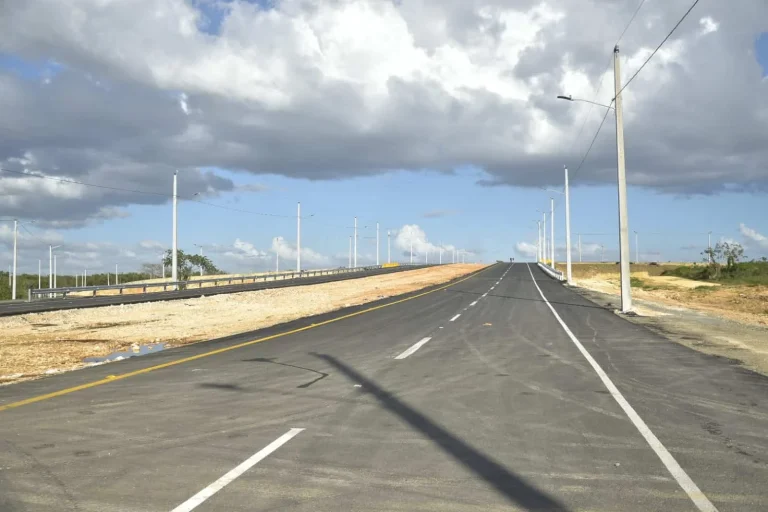
SANTO DOMINGO.- President Luis Abinader will inaugurate the Ecological Avenue , corresponding to the third phase of the road project being developed in Santo Domingo East.  

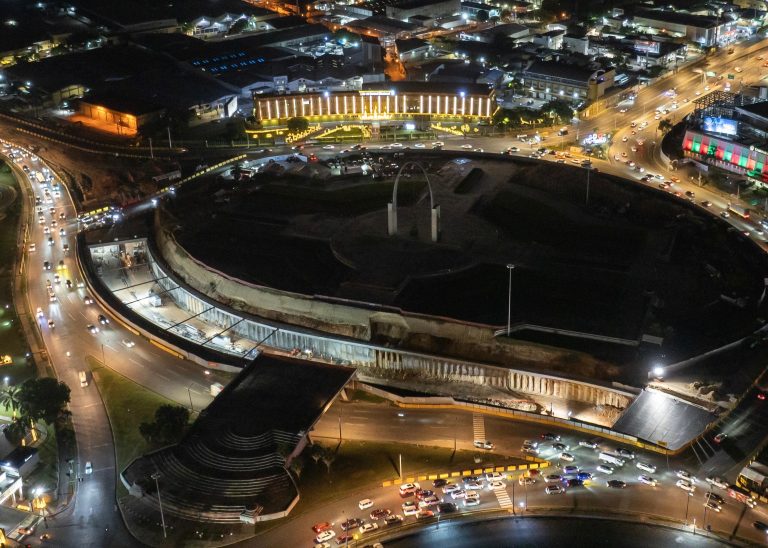
The president made the announcement during a supervisory visit to the underground tunnel being built beneath Plaza de la Bandera, one of the projects included in the comprehensive urban mobility plan being developed by the government. He emphasized that the Ecological Tunnel is part of the efforts to improve mobility and reduce congestion in Greater Santo Domingo.

Direct connection to the Port of Caucedo

The section to be delivered tomorrow corresponds to the final stage of the road, which will extend to the Port of Caucedo on the Las Américas Highway. This phase also includes the completion of Avenida Hípica and the San Isidro Highway.

According to official details, this segment will have four lanes and two marginal roads, which will expand traffic capacity and facilitate access to logistics, residential and industrial areas of Santo Domingo East.

A project executed in stages

First stage (2020): Delivered during the administration of former President Danilo Medina, from Charles de Gaulle Avenue to Ciudad Juan Bosch.

Second stage (2023): Inaugurated on February 7, with an investment exceeding 420 million pesos.

Third stage 2025: The one that will be opened this Friday, connecting the road with the Port of Caucedo and completing the planned route.

What are the characteristics of the parking lot with more than 270 parking spaces available in Bayahibe?

0

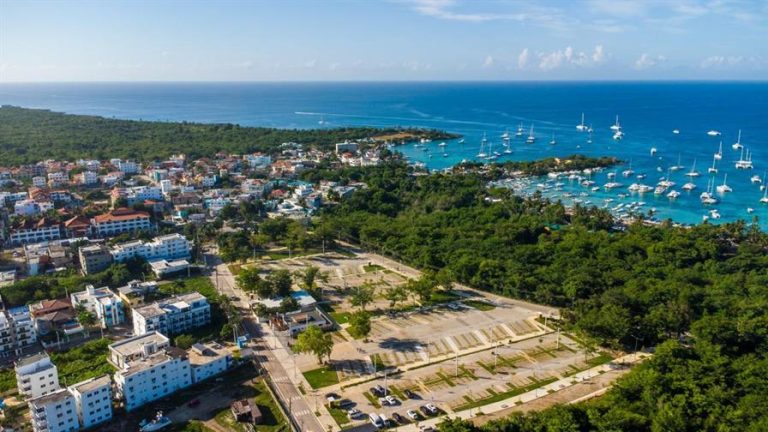
SANTO DOMINGO– The Ministry of Tourism inaugurated a visitor parking lot on Bayahibe beach yesterday, Wednesday, December 17. The lot covers an area of ​​approximately 26,000 square meters. The inauguration was led by the Minister of Tourism, David Collado.

The project involved an investment of RD$213,467,118 and was developed on land mostly donated by Central Romana. The completed area has 58 spaces for buses, 157 for cars , and 58 for motorcycles, for a total of over 270 parking spaces.

According to a press release from the Ministry of Tourism , the intervention aims to organize traffic in the area and improve the flow of visitors to the embarkation ports that connect with Saona Island, the public beach of Bayahibe, and the surrounding commercial activities.

During the event, Collado noted that the project addresses a community demand.
“Today we are here fulfilling our promise and responding to a long-standing community request that will put an end to the existing chaos, guaranteeing road and pedestrian safety throughout this area visited by foreign and domestic tourists,” he stated.

Components of the work

Parking includes:

  • 2,364 square meters of sidewalks
  • Stormwater drainage system
  • Cobblestone paving on North Street
  • Vertical and horizontal signage
  • Informative signs
  • Bollards, trash cans and benches
  • Footpath and pedestrian bridge
  • Bathroom module

The imbalance between housing prices and the decline in construction deepened the housing gap in 2025

0

The combination of limited supply and demand driven by investment, remittances, and foreign capital is reducing affordable housing options, pushing up prices and rents in central areas, and deepening the housing gap for middle- and low-income households, in the absence of public policies to balance the market.

SANTO DOMINGO. – The contradiction between rising housing prices and the slowdown in the pace of construction in the Dominican real estate market was one of the topics addressed in the November report by the British financial consulting firm Global Property Guide.

The year 2025 presents a stark contrast in the Dominican real estate market: while housing prices continue to rise sharply, the construction faces a profound slowdown.

This imbalance, which might seem paradoxical at first glance, reveals structural tensions in the Dominican real estate market due to the accelerated revaluation of existing units, the scarcity of new supply, and a macroeconomic context that affects the production of new housing.

The GPG signal and local data

According to the latest update of the Global Property Guide (GPG) from November 2025, the Dominican Republic has had exceptional performance in real estate prices in 2025, with a year-on-year nominal variation of residential prices of +10.64%, placing the country among the markets with the highest appreciation in Latin America.

This result not only confirms the dynamism of prices, but also places the country as one of the regional leaders in property value growth, surpassed only by markets with particular conditions such as Costa Rica.

Furthermore, recently published sector reports in specialized media indicate that in urban areas average prices per square meter continue at record highs, with increases for both apartments and houses in 2025, reinforcing this trend of revaluation.

Crisis: what the official data shows

In stark contrast, the construction sector has shown weak activity, raising concerns among economists and planners. According to data from the Central Bank of the Dominican Republic (BCRD), the construction industry is projected to contract by 2.3% compared to the previous year, despite some efforts to stimulate activity.

This decline occurs in a context where the overall economy has slowed its growth, with GDP expansion decreasing slightly from the first to the second quarter of 2025, which adds pressure to private investment in civil works and real estate projects.

Although certain reports, according to the globenewswire.com suggest that there could be a slight rebound in specific months, as happened with construction activity in July 2025, that increase does not compensate for what has already accumulated during the year.

The liquidity injected by the Central Bank to boost credit to productive sectors, including construction, has had a lukewarm reception in practice, with developers pointing out that the cash does not always reach the projects that need it.

Prices vs construction (2024–2025)

Indicator / SourcePeriod / DateRecent Variation / Level
“1-Year House Price Change (Nominal)” – Global Property GuideNov. 2025+10.64% (residential prices) El Inmobiliario
Construction – Total Industry (BCRD)2025 (actual)–2.3 % globenewswire.com
Construction – Loose IndicatorsJuly 2025+3.8% (short spike) globenewswire.com

Note: Price data is nominal; construction data shows actual activity variation.

What does this contradiction reveal according to GPG?

1. Revaluation driven by limited supply

A key explanation behind the price increase is the shortage of new and well-maintained used housing, which is putting upward pressure on available values. With fewer projects underway, competition for existing properties may be driving prices higher than actual construction activity.

Some sector reports have noted a marked drop in the production of low-cost housing, indicating a polarization of the market:

  • drastic drop in economic units,
  • while the middle and upper segments maintain dynamism.
  • 2. Higher cost of materials and labor

Another source of upward pressure may be rising construction costs. Although cost data shows mixed variations throughout 2025, recent history reflects significant cumulative increases in materials and other inputs, complicating the start-up of new projects.

This environment of high costs and uncertain returns can discourage builders, especially in lower-margin segments.

3. Macroeconomic conditions and more restrictive credit

With high real interest rates and an uncertain global economy, both households and businesses have scaled back their investment plans for new construction. The combination of more expensive credit and reduced appetite for debt is dampening activity in the construction sector.

4. Profile of the Dominican real estate market

The local market has shown mixed patterns: while premium segments and those geared toward foreign investment continue to rise in value, the affordable segment appears stagnant or even disappearing altogether. This could exacerbate the affordable housing gap.

Implications for supply and demand

The combination of high prices and low production can create several effects:

  • Growing shortage of affordable options for middle and low income buyers.
  • Market dominated by investment and speculation, where demand comes more from external capital and remittances than from typical local buyers.
  • Pressure on rents and prices in central neighborhoods, reducing residential mobility.
  • Risk of widening the affordable housing gap if active public policies are not implemented.

The combination of limited supply and demand driven by investment, remittances, and foreign capital is reducing affordable housing options in the Dominican Republic, putting upward pressure on prices and rents in central areas and deepening the risk of a housing gap for middle- and low-income households, in the absence of public policies that balance the market.

Opportunity and challenge, for whom?

For real estate investors, the outlook could be attractive: sustained appreciation and limited supply create a favorable combination for preserving value. Those who buy now could see significant gains in the medium term, which is why the GPG portal recommends that investors buy now.

However, for most Dominicans and for social equity, this contrast is a warning sign:

Without a sustained reactivation of construction and measures that incentivize affordable housing, the market risks becoming increasingly inaccessible to a large part of the population.

Regardless of who benefits from it and whether it's to everyone's liking, the reality of this 2025 contrast— prices continuing to rise while construction has almost stalled—deserves serious attention, as it represents one of the most significant shifts in the recent history of the Dominican real estate market and poses a structural challenge to housing and urban development policy.

But for the country, the divergence between prices and production is a warning: without a sustained reactivation of construction and policies that incentivize affordable housing, the market risks becoming increasingly inaccessible to a large part of the population, and the housing gap, which is measured in millions of homes, could widen.

Price and construction trends in the Dominican Republic (2024–2025)

IndicatorFountainPeriod / DateVariation / LevelContext notes
Variation in residential prices (nominal)Global Property GuideUpdated November 2025+10.64%The Dominican Republic is among the fastest-growing markets in the region.
Added value of the construction sector (real)Central Bank (as reported in sector report)Jan–Jun 2025–2.3%Significant contraction in the first half of the year.
Added value of the construction sector (real)Central Bank (as reported in sector report)Jan–Mar 2025–1.2%It was already showing weakness from the beginning of 2025.
Construction activity (actual)Central Bank (cited in sector reports)July 2025+3.8%A temporary rebound, but insufficient to compensate for the accumulated drop.
Affordable housing offerReal Estate.do2025In declineReports confirm the collapse of the affordable segment and the dynamism of the premium segment.
Cost of materials and suppliesSector Reports 20252024–2025Upward trendAccumulated increases affect margins and delay new construction.
Real interest ratesCentral Bank / Sector Analysis2025HighThey discourage financing for developers and acquirers.

2026 Budget: What is known about construction, official priorities and expected impact

0

When the sanctioned law and the project annexes are published, it will be confirmed whether the government's commitment will translate into roads, housing, infrastructure and employment, or whether it will remain, for now, at the level of global figures and strategic announcements.

SANTO DOMINGO. – The 2026 General State Budget project includes RD$215,284.7 million in public investment, equivalent to 2.5% of GDP, an amount that the Executive Branch has indicated as key to boosting connectivity, housing and basic services.

However, the approved document with the breakdown by ministry, program or project has not yet been published, so it is not possible to specify how much of that investment will go specifically to public works, roads, housing, tourism infrastructure or other areas directly linked to the construction sector.

The official information available is limited to aggregate figures. The Government has confirmed that the 2026 Budget includes RD$215,284.7 million for public investment, but has not publicly disclosed how these resources are distributed among the Ministry of Public Works and Communications (MOPC), the Ministry of Housing (MIV/MIVED), the Ministry of Tourism, local governments, or specific projects for road infrastructure, social housing, or public buildings.

The institutional websites of the Treasury, DIGEPRES and the Presidency only contain general statements, explanatory versions of the project and macroeconomic data, but the sanctioned text of the law with its technical annexes, which normally contains the institutional classification and project sheets, was not yet available at the time of publication.

Prioritiesannounced by the Executive

In the absence of technical details, the Government has repeatedly indicated the priority areas for public investment in 2026:

  • Connectivity and transport, with emphasis on roads and networks that facilitate mobility, logistics and access to production hubs.
  • Housing and habitat, including social housing programs and settlement improvement.
  • Infrastructure for basic services, especially drinking water and sanitation.
  • Tourism- related infrastructure , aimed at strengthening destinations and access.
  • Social infrastructure, linked to education, health and special projects of national interest.

These priorities suggest a favorable orientation towards the construction sector, but without disaggregated official figures it is not possible to measure the real weight of each one within the total announced investment.

In practical terms, the announced amount is a positive sign, but its effect will depend on how quickly the annexes are published and implementation begins.

Sector context at the close of 2025

The construction sector reaches the end of 2025 with a mixed performance: activity showed fluctuations during the year, with periods of year-on-year contraction and signs of partial recovery.

Private construction overwhelmingly dominates the number of active projects, while public works represent a smaller proportion of the total construction fronts.

Housing finance remains active, with significant volumes of credit channeled to construction and acquisition of real estate.

Public institutions report administrative and financial execution, but this has not yet translated into a visible and sustained increase in large public projects.

In this context, the public investment announced for 2026 represents a key opportunity to revitalize the sector, provided that it materializes in concrete projects and is implemented in a timely manner.

The publication of the sanctioned law and the project annexes will be crucial in confirming whether the government's commitment will translate into roads, housing, infrastructure and employment, or whether it will remain, for now, at the level of global figures and strategic announcements.

MIVHED closes plaza in Samaná for operating without permits and continuing work despite the shutdown

0

The project was operating without a building permit or technical inspections, according to MIVHED.

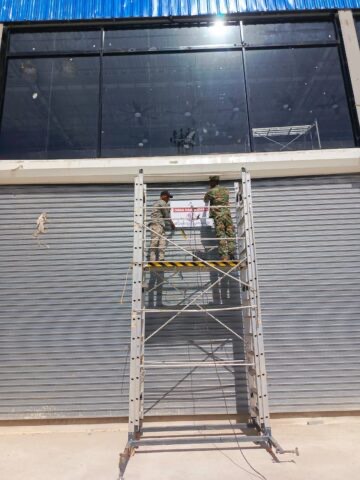
SANTO DOMINGO.– The Ministry of Housing, Habitat and Buildings (MIVHED) ordered the closure of Plaza Zehao, located on Boulevard Las Terrenas Avenue, Samaná province, after verifying that the project was operating without a construction license or technical inspections.

The institution explained that the work had been notified and halted on November 4 for failing to comply with the legal requirements established for private buildings.

In a press release, the MIVHED indicated that those responsible for the project were summoned on November 6 to a conciliation hearing at the headquarters of the Directorate of Inspection of Private Works (DIOP), but did not attend the meeting.

According to official information, despite the stop-work order, the owners continued the work irregularly, mainly at night and on weekends, until the construction was almost completely finished.

The MIVHED indicated that during a follow-up operation on illegal construction, carried out by the DIOP on December 10, inspectors confirmed that the plaza had already begun commercial operations without the corresponding authorizations.

Given this situation, on December 12, the establishment was notified via bailiff, as part of the administrative process prior to the definitive closure.

The institution reported that finally, last Monday, December 15, the closure of Zehao Plaza, in compliance with the legal provisions applicable to buildings that operate without permits.

The Ministry reiterated that all private construction projects must have licenses, supervision, and technical inspections to guarantee the safety of workers and users, and warned that operations against illegal construction will continue throughout the national territory.

Cabo Rojo Port receives two cruise ships simultaneously for the third time

0

Hoyo de Pelempito, Pozos de Romeo and Bahía de las Águilas among the most visited spots.

SANTO DOMINGO- The executive director of the Pro-Pedernales Trust, Sigmund Freund, reported yesterday, Wednesday, December 17, that for the third time this year, the port of Cabo Rojo received two cruise ships simultaneously, generating the arrival of thousands of visitors to the province of Pedernales.

In a video posted on his social media, Freund explained that the cruise passengers toured places of high interest such as Hoyo de Pelempito, Pozos de Romeo and Bahía de las Águilas, destinations that continue to register high demand among tourists who arrive in the area.

He noted that this behavior reflects the growth that the southern region has experienced in recent years, highlighting that operations of this type were infrequent in the recent past.

The official added that efforts continue to strengthen Pedernales' presence on Caribbean cruise routes, with the expectation that the flow of international visitors will continue to increase in the coming months. The simultaneous arrival of ships, he explained, demonstrates the cruise lines' interest in including Cabo Rojo in their itineraries and the destination's growing presence in the regional tourism market

Reserva Real by Harper: among the highest-rated condo-hotels in the Caribbean

0

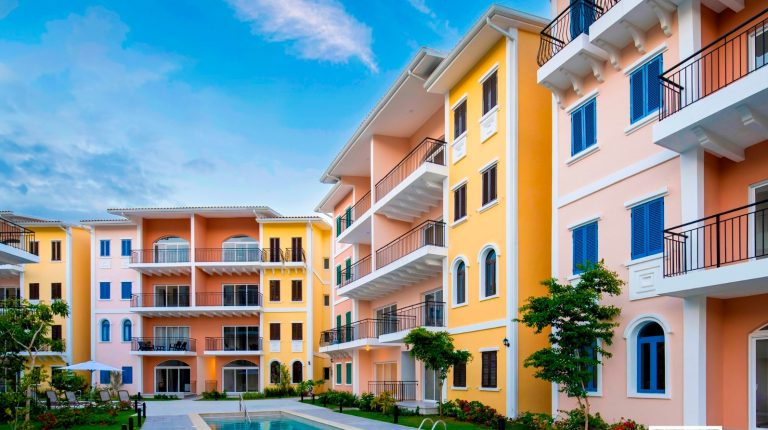
SANTO DOMINGO.– Just a few months after its opening, Reserva Real by Harper has positioned itself among the best-rated condo-hotels in the Caribbean, after achieving outstanding ratings on the main international travel portals.

The project, developed by Noval Properties and operated under Archipelago International's HARPER brand , has become one of the strongest performers within the regional hospitality market.

The resort boasts a perfect 5.0 rating on TripAdvisor, where it also holds the #1 spot in its category, driven by verified reviews from satisfied guests. On Expedia, it achieves a 9.2 rating, standing out for its customer service and the quality of its facilities; while on Booking.com, it maintains a 9.0 rating, solidifying its position as a top choice for discerning international travelers, explains a press release.

"These metrics, sustained over a short period of operation, reflect an efficient management model, high standards of hospitality, and strategic alliances with international tour operators—factors that have strengthened occupancy, demand, and profitability of the project. This, in turn, increases investor confidence in Noval Properties' portfolio," the document states.

He adds that the location's positioning coincides with a historic moment for the Dominican Republic, which continues to break tourist arrival records and reaffirms its leadership as a Caribbean destination.

"This growth demands modern infrastructure and real estate products capable of sustaining demand. Projects like Noval Properties' provide accommodation capacity, diversification, and experiences aligned with international standards—key elements for further strengthening the country's competitiveness in increasingly larger source markets," the report states.

Adderega notes that the project's performance also reflects a growing trend in the region: the preference for mixed real estate investment schemes with professional hotel operations. This model, increasingly sought after by investors looking for high-yield assets in established tourist destinations, finds a success story in this venture due to its ability to generate recurring revenue, backed by a global brand and efficient operational management. Its success reaffirms the market's interest in products that combine design, strategic location, and world-class hotel management.

"Noval Properties is also moving forward with the construction of Poseidonia Residences by ASTON, its next development under the flagship brand of Archipelago International, projected to become a competitive investment model within the Caribbean," the press release concludes.

Absent public policies: the affordable housing gap

0

SANTO DOMINGO. – The growth in real estate prices and the slowdown in the construction of new homes have revealed significant gapsin public housing policy in 2025, especially regarding the supply of affordable housing.


According to the ROE 2025-1 published by the National Statistics Office (ONE), there is a significant drop in affordable housing units, confirming that the formal market for low-cost housing is shrinking almost to extinction, while the middle and high segments reached record prices in the year ending.

The consequences of this shortage generated a vicious cycle: the lack of low-cost housing stimulated the increase in rental prices (more than 35% of family income in many areas) and displaced families to peripheral areas with less access to services and employment.

Meanwhile, international reports on housing deficits estimate that the Dominican Republic has an unmet demand of approximately 2.1 million units, reflecting a structural challenge for urban development and access to decent housing.


The gap in public policies is seen, in part, in the absence of effective mechanisms for promoting social housing or stronger incentives for building affordable units, as well as in the lack of comprehensive rent regulation programs that mitigate the pressure on lower-income households.


Without a coordinated state response that increases the supply of affordable housing and regulates factors such as speculation or speculative renting, the housing deficit and injustice in access to housing will continue to deepen.

The Plaza de la Bandera tunnel will be ready by the second quarter of 2026, says Abinader

0

The project will be 1.02 kilometers long and is part of the road plan for Greater Santo Domingo.

SANTO DOMINGO– President Luis Abinader announced that the tunnel being built under Plaza de la Bandera will be completed in the second quarter of 2026, as part of the road improvements being carried out by the government to enhance mobility in Greater Santo Domingo.

“We are improving the main entrances to the city of Santo Domingo to have much more fluidity,” the president said during his visit last night, December 16, to the construction work.

The press release explained that the infrastructure, with a length of 1.02 kilometers, is designed to optimize traffic on 27 de Febrero and Gregorio Luperón avenues, two of the corridors with the highest traffic load in the capital.

Abinader added that the tunnel will have a “particularly significant” impact on vehicles traveling north-south on Luperón Avenue and east-west on 27 de Febrero Avenue. He also noted that the extension of Line 2C of the Santo Domingo Metro, which will run through part of Los Alcarrizos, is scheduled to open in February 2026.

Overpass in Pedro Brand and other road works

During a tour of the construction site last night, the president announced that a high-rise for the municipality of Pedro Brand, in the province of Santo Domingo, is currently out for tender.

“The overpass that would go all the way through Pedro Brand, eliminating those two traffic lights located where they call it the 28, is currently in the bidding process,” he stated.

He also announced that Dr. Francisco Peña Gómez Avenue, in Santo Domingo East, will be inaugurated on Friday, December 19.

Regarding República de Colombia Avenue, he indicated that "it will have parts that will be gradually improved" until its full completion.

He also mentioned that work is underway on "another critical point in the city of Santo Domingo," referring to the La Victoria highway in Santo Domingo North.

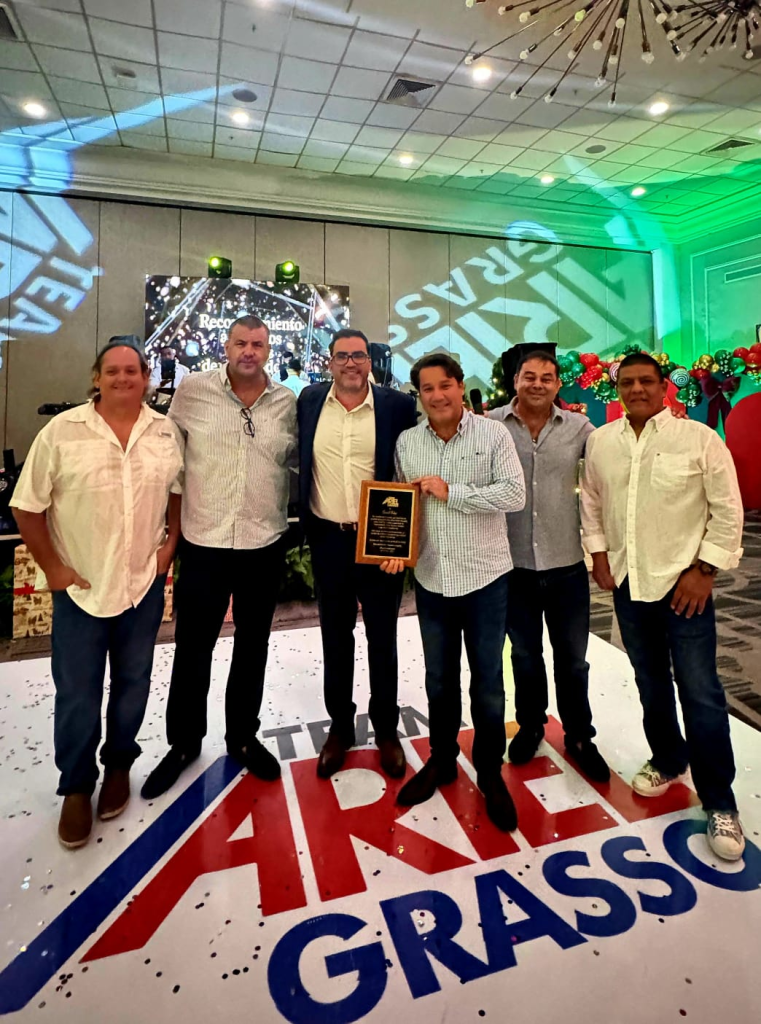
Team Ariel Grasso held its Christmas dinner together with actors from the real estate sector

SANTO DOMINGO.- Team Ariel Grasso celebrated its 2025 Christmas dinner in a gathering that brought together real estate agents, developers, builders and strategic partners of the sector.

During the meeting, Grasso gave a speech in which he pointed out that, despite the challenges of 2025, the group maintained its performance supported by internal processes, metrics and systematic monitoring.

He said the activity served as a year-end closing event, in which the main operational milestones and results obtained in a period marked by variations in the dynamics of the real estate market were reviewed.

As part of the program, an institutional video was presented that compiled the main activities and operations carried out during the year.

Awards were also given to agents with higher production levels, external collaborators, partner developers, and administrative staff, based on the results achieved.

Special Delivery

Executives from Huacachina were present at the event. (External source).

The developers of the Alta Vista project by the Huacachina development company presented a new vehicle to agent Wendy Albizu for having registered the highest number of sales of three-bedroom villas during the last year.

Also participating in the activity was Mélido Marte, owner of RE/MAX, who attended the meeting and referred to the team's role within the real estate market.

The day included artistic performances, raffles, and spaces for fellowship.

Alberto Boagaert, Cristina Alba, Ariel Grasso and Laisa Feliz. (External source).

Team Ariel Grasso reported over 3,000 units sold in the last two years and a network of over 3,000 agents linked to its operations in the Dominican Republic and the region.

What will the Christmas and New Year 2025 operation that the authorities will deploy consist of?

0

The agency reported that the first phase of the operation will take place from 2:00 p.m. on Tuesday the 23rd.

SANTO DOMINGO. The Emergency Operations Center (COE) announced yesterday, Tuesday, the launch of Operation "Awareness for Life, Christmas and New Year 2025-2026," with the objective of preventing incidents and ensuring a rapid response to emergencies during the movement of citizens to different parts of the country during the Christmas and New Year festivities.

In a press release, the agency announced that for this deployment it will implement a road safety and prevention device on the main roads and highways of the national territory, focused on reducing traffic accidents, alcohol poisoning and food poisoning.

The first phase of the operation will take place from Tuesday, December 23, at 2:00 p.m. until Thursday, December 25, at 6:00 p.m., while the second phase will begin on December 30 and conclude on January 1, 2026, at the same times.

The agency said that 48,470 collaborators from first responder agencies will participate in the operation, including brigade members, doctors, paramedics, military personnel, police officers, search and rescue specialists, and volunteers.

As part of the measures, the agency also announced that 1,301 fixed and mobile first aid stations will be installed at locations identified as having the highest incidence of emergencies in previous operations.

In addition, they will distribute 250 ambulances located at strategic points, 14 vehicle extraction teams, 44 vehicle rescue units, 21 mobile workshops, two pre-hospital care centers and three helicopters provided by the Ministry of Defense, under the order of Lieutenant General Carlos Antonio Fernández Onofre. 

Recommendations

The director of the COE, Juan Manuel Méndez García, urged the population to adopt the security measures established by the Government to prevent incidents during the festivities.

"At this time we celebrate the birth of Jesus and it is the opportune moment to reflect on our actions and promote family unity and values ​​such as collaboration, responsibility and dedication," he added. 

Intrant

The National Institute of Transit and Land Transportation (Intrant) reported that it will implement strategic actions to regulate the circulation of cargo vehicles throughout the country, including permits for the Restricted Access Zone (ZAR), from Tuesday, December 23, starting at 6:00 a.m., until Friday, December 26 at 5:00 a.m., as well as from Tuesday, December 30 until Friday, January 2, 2026.

Intrant also indicated that heavy vehicles with permits must circulate exclusively in the right lane, as part of the measures to guarantee safer transit during the Christmas and New Year holiday.

Dominican real estate sector: 2025 between market strength and structural challenges

SANTO DOMINGO. – The Dominican Republic's real estate sector closes 2025 confirming its role as one of the most dynamic markets in the economy, sustained by active demand in the residential, tourism and investment segments, although conditioned by high interest rates, price pressures and a supply that did not always manage to respond with the required speed.

The year's balance and projections for 2026 point to a scenario of continued growth, with key adjustments and definitions.

During 2025, the behavior of the real estate market was marked by the persistence of demand, especially in consolidated urban areas such as Greater Santo Domingo and Santiago, as well as in tourist centers Punta Cana, Bávaro, Las Terrenas and Samaná.

In its year-end coverage, El Inmobiliario highlighted that market activity remained above pre-pandemic levels, driven by local buyers, Dominicans residing abroad, and foreign investors interested in residential and tourist properties.

From a macroeconomic perspective, the Central Bank (BCRD) acknowledged that 2025 was a year of more moderate economic growth than 2024, but stressed that the country's fundamentals remain solid.

The governor of the Central Bank, Héctor Valdez Albizu, stated that the Dominican economy has the capacity to resume a faster pace of expansion, projecting growth of between 4% and 5% by 2026, supported by investment, tourism and domestic consumption, variables closely linked to the performance of the real estate market.

This environment allowed credit linked to real estate activities to continue growing.

Central Bank reports show a significant increase in the loan portfolio destined for real estate services and home acquisition during 2025, which would indicate that the intentions to invest in real estate have not stopped, although buyers are more selective today.

Prices, inventory and housing

One of the central elements of the analysis during 2025 was price behavior. El Inmobiliario documented sustained increases in sale and rental values ​​throughout the year, especially in well-located projects and properties linked to tourism and short-term rentals.

This behavior was closely related to persistent demand and limitations in inventory availability in certain market segments.

Affordable housing featured prominently in the sector debate. In its analysis titled “2026: The Year Affordable Housing Will Set a Record for Demand in the Dominican Republic,” El Inmobiliario noted that the accumulated housing deficit remains one of the market's main structural challenges.

Demand pressure on this segment has been constant, and its evolution will be crucial for the overall balance of the real estate market in the coming years.

While housing production is directly linked to the construction sector, the relative scarcity of available units directly impacts the real estate market, influencing prices, placement times, and accessibility for buyers.

Tourism and real estate investment

Tourism once again played a key role in the sector's performance during 2025. With record visitor arrival figures, the country continued to strengthen its appeal as a destination for real estate investment linked to second homes and holiday rentals.

This influx has sustained demand in traditional tourist areas and broadened interest towards new areas with development potential.

The combination of macroeconomic stability, legal framework and relative profitability kept the Dominican Republic among the most attractive real estate markets in the Caribbean, for both regional and international investors.

Outlook for 2026

Looking ahead to 2026, the outlook for the real estate sector is moderately positive, with expectations of continued growth, albeit at a more balanced pace.

Next year will be key to assessing the market's ability to respond to pent-up demand, especially for affordable housing, and to adapt to a financial environment that will continue to demand greater efficiency and planning.

The balance between demand, supply, and financing will determine whether the market manages to strengthen its growth or faces greater tensions.

The Central Bank's projections on the Dominican economy reinforce a favorable scenario for real estate investment, provided that macroeconomic stability is maintained and progress is made in structural improvements that facilitate access to financing and the formalization of projects.

A resilient and demanding market

Although 2025 confirmed the strength of the Dominican real estate sector, it also revealed structural challenges related to prices, inventory, and access to housing.

As El Inmobiliario has emphasized in its editorial analyses, the sector shows no signs of exhaustion, but it does require strategic decisions and coordination between public and private actors to sustain its role as one of the pillars of the Dominican economy.

They sign an agreement to strengthen digital inclusion and financial education for the Dominican diaspora

0

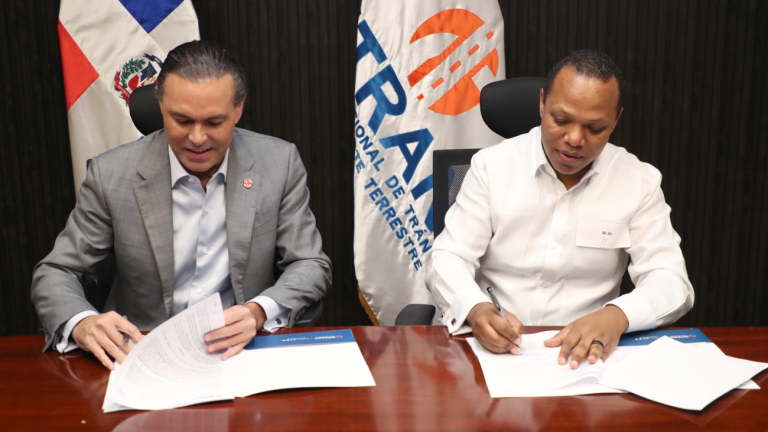
SANTO DOMINGO.- The Dominican Institute of Telecommunications (Indotel) and the Institute of Dominicans Abroad (Index) announced that they signed an inter-institutional collaboration agreement aimed at strengthening digital skills, financial education and technological inclusion of the Dominican community residing abroad. 

The agreement was signed by the president of the Board of Directors of Indotel, Guido Gómez Mazara , and the executive director of Index, Celinés Toribio, as part of a joint strategy to expand the reach of digital and technological literacy programs for the diaspora.

A press release highlights that through this agreement, both institutions will develop mechanisms for technical, academic, technological and public communication cooperation, focused on areas such as digital skills, financial education for the use of digital media in sending remittances, cybersecurity, critical thinking in the face of disinformation and equitable access to virtual training opportunities. 

During the signing of the agreement, Gómez Mazara highlighted the crucial role of the Dominican diaspora in the economy and national identity. “Dominicans abroad have always been present in our collective memory, in our families, and in the building of this country,” the official said.

He also emphasized that, in macroeconomic terms, indicators show that Dominicans abroad will represent 12% of GDP in terms of remittances.

“Dominicans living abroad will represent 12% of GDP this year in terms of remittances; last year it was 10.5%. That means the heart of the Dominican economy beats in the same direction as the hearts of Dominicans living outside the country,” he stated. 

For his part, Toribio highlighted the importance of Dominicans abroad and explained that this agreement responds to the constitutional mandate to strengthen ties, as well as achieve greater national integration .

“Today we are not here just to sign an agreement, we are here to guarantee that Dominicans there have the same opportunities as those here,” he emphasized. 

What the agreement establishes

Indotel , when necessary, technological equipment, within the framework of its digital inclusion programs and its Biennial Development Project Plan, while Index will be responsible for dissemination, community articulation and support of beneficiaries in Dominican communities abroad, using its network of offices and links with diaspora organizations. 

The agreement also includes the production and dissemination of educational campaigns and audiovisual materials, as well as the promotion of responsible digital citizenship and the strengthening of cultural and co-development ties between the diaspora and the Dominican Republic. 

The alliance is framed within the public policies of universal access to information and communication technologies (ICTs), as well as the guidelines of the Ministry of Foreign Affairs to strengthen the protection, integration and participation of Dominicans abroad in national development processes. 

The agreement will be valid for two years, with the possibility of renewal, and will serve as a basis for the formulation of work plans, specific projects and complementary agreements that will maximize the impact of joint actions for the benefit of the diaspora. 

Construction in the Dominican Republic: the keys to a down year in 2025 and the signs that will shape 2026

0

A year of slowdown, conditioned by high interest rates, lower investment and regulatory obstacles, gives way to a 2026 with moderate expectations: the recovery will depend on better financing conditions, greater institutional agility and a boost to affordable housing.

SANTO DOMINGO. – The year 2025 will be recorded as a period of slowdown for the construction sector in the Dominican Republic, despite the fact that this is one of the activities historically crucial for economic growth, employment, and private investment.

Despite occasional upticks, official indicators and voices from within the sector agree that the slowdown was the dominant feature of the year, conditioned by financial, regulatory and confidence factors.

Figures from the Central Bank (BCRD) confirm this interpretation. During the first half of 2025, the value added of construction registered a negative year-on-year change of -2.3%, in contrast to the moderate growth observed in 2024 and the partial recovery seen in 2023.

Although March saw a significant year-on-year rebound, driven by the reactivation of private projects and increased sales of supplies, the accumulated result failed to reverse the downward trend for the year.

This behavior occurred in a context of high real interest rates, which made financing for developers and mortgage credit for end buyers more expensive.

This was compounded by the caution of private investors in the face of an international scenario marked by economic uncertainty and lower capital flows towards sectors intensive in long-term investment, such as construction.

From the business sector, the warnings were repeated. The president of the Dominican Association of Housing Builders and Developers (Acoprovi), Annerys Meléndez, described 2025 as a “complex” year for housing, noting that the real estate supply experienced a reduction of nearly 12%, affected by the high cost of financing and by administrative hurdles (permitting) that slow down the start of new projects.

In various public statements, Meléndez insisted that, although the Central Bank released resources to stimulate the economy, these did not always reach the formal housing segment with the necessary speed or focus, particularly the medium and low price housing.

Data from the financial system reveals an apparent paradox. Loans for housing construction and acquisition increased between 2023 and 2025, yet this credit growth did not translate proportionally into a greater increase in construction projects.

For the trade associations, this reflects a more selective market, where only well-structured projects, with high pre-sales or institutional backing, managed to move forward.

Another key element was the lower demand for construction materials, especially rods and other structural inputs, an indicator that traditionally anticipates a slowdown in activity.

This drop confirmed that the problem was not exclusively statistical, but operational, with fewer projects started and more conservative execution schedules.

Looking ahead to 2026: between caution and opportunity

Looking ahead to 2026, the sector is wavering between caution and moderate optimism. Analyses published in El Inmobiliario suggest that next year could be a turning point, especially for affordable housing, where there is significant pent-up demand.

According to these analyses, if better financing conditions, greater regulatory agility, and focused public policies are aligned, the affordable housing segment could register historic levels of demand.

However, warnings also persist. Economist Rafael Espinal has pointed out that, without structural adjustments, particularly in permitting processes and investment incentives, the sector risks facing a deeper contraction in 2026.

In his view, investor confidence remains fragile and depends on clear and sustained signals from the institutional sphere.

In summary, 2025 provided clear lessons for Dominican construction: the sector remains resilient, but highly sensitive to financial and regulatory conditions.

Performance in 2026 will depend less on short-term measures and more on a comprehensive strategy that allows for the recovery of dynamism, strengthens the housing supply, and restores the confidence of the actors who support one of the main activities of the national economy.

Construction Sector (2023-2025)

Indicator / Year202320242025 (preliminary)
Year-on-year growth of value added (IMAE / construction)positive growth, below the historical average*+3.7% year-on-year according to the BCRD's fiscal report*negative or fluctuating sector variation; -2.3% in the first half of the year*
Loans for construction and acquisition of housing (January-June, RD$ millions)432,005.3 (Jan-Jun)508,460.5 (Jan-Jun)581,151.7 (Jan-Jun)*
Key quarterly/monthly activity figuresAverage growth 6.4% in the first four months (January-April)*In March 2025, the sector showed year-on-year growth of 14.5% in IMAE, after negative months*
General trendModerate recovery of the sectorModerate growth supported by liquidity measuresSlowdown, with mixed results and less dynamism
Generation of formal employment (ONE data)225,883 formal construction jobs in 2023*228,545 formal construction jobs in 2024*Final employment data for 2025 not yet consolidated

*Source: figures and reports from the Central Bank of the Dominican Republic (macroeconomic statistics) and specialized publications.

Senate approves 2026 General State Budget for more than 1.8 trillion

0

SANTO DOMINGO.- The Senate of the Republic approved yesterday afternoon, Tuesday, urgently and in two consecutive readings, the draft General State Budget Law for the year 2026 for an amount of RD$1,841,701,394,621.

The vice president of the Bicameral Commission in charge of studying the project, Pedro Antonio Tineo, when presenting the report, explained that the current budget is designed to guarantee the return to economic growth that sustains the Dominican Republic, and is projected based on five percent for next year, according to estimates from international organizations.

The previously approved document submitted by the Chamber of Deputies details that this budget guarantees the maintenance of greater growth development, and that the revenues of RD$1,439,933,579,891 indicate the level of growth that the economy has, which is satisfying the vast majority of the requests made by the different communities.

Before presenting the bill to his colleagues, the president of the Senate, Ricardo de los Santos, used his speaking time to defend the investment included in the budget, highlighting that, contrary to what the opposition suggests, there has been a reduction in public debt relative to Gross Domestic Product (GDP). “Regarding the issue of public debt as a percentage of Gross Domestic Product (GDP), in 2020 it reached 56.6%, while as of October of this year it stands at 46.9%; that is, almost ten percentage points lower than when we took office, even considering the impact of the pandemic,” he explained.

De los Santos denied that the General State Budget was in deficit and stated that the works carried out by the Government are visible throughout the national territory.

During the debates, Senators Johnson Encarnación, Antonio Marte, Cristóbal Castillo, Ramón Rogelio Genao, and Milciades Aneudy Ortiz also addressed the issue, defending the government's social investment. Meanwhile, Eduard Espiritusanto and Omar Fernández spoke against the bill.

The draft budget law states that the estimates of consolidated revenues and financial sources are made up of those of the central government, autonomous and decentralized non-financial bodies and public social security institutions.

The report presented by the Bicameral Commission stated that, prior to approving this bill, the legislators listened to Magín Díaz, Minister of Finance and Economy; Camila Hernández, Vice Minister of Fiscal Policy; and José Rijo Presbot, Vice Minister of Budget and Accounting, and exhausted the mechanisms recognized by the Constitution of the Republic and the regulations of the Chamber of Deputies and the Senate of the Republic.

The opposition

During the session, Senator Eduard Espíritusantocriticized the bill, arguing that it prioritizes current spending over public investment.

"This budget reflects the poor vision this government has of the economic direction of the Dominican Republic, since when we examine its content we realize that it is designed to prioritize current spending over capital investment," the legislator said from the chamber.

The General State Budget for 2026 estimates revenues of 1,342,258.2 million pesos, equivalent to 15.5% of GDP , and a total expenditure of 1,622,833.4 million pesos, equivalent to 18.7% of GDP.

The bill contemplates a fiscal deficit of 280,575.3 million pesos, equivalent to 3.2% of GDP, and includes public investment of 215,284.7 million pesos, an increase compared to the initial 2025 budget

Following its approval in the National Congress, the project only remains to be sent to the Executive Branch for its enactment.

Sources: Diario Libre and Hoy.

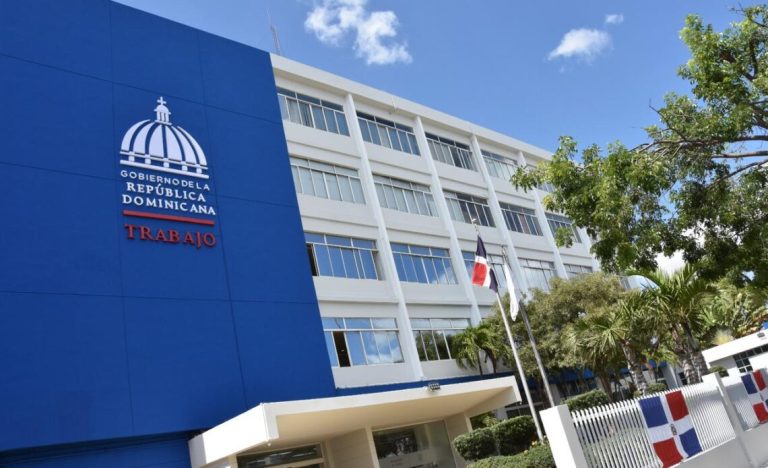
The Ministry of Labor reminds employers to submit payroll for permanent staff

0

The entity explains that the date must be before January 15, 2026.

SANTO DOMINGO. The Ministry of Labor reminded all employers yesterday, Tuesday, of the obligation to submit the Permanent Personnel Payroll (DGT-3) within the first fifteen days of January 2026.

In a press release, the institution reported that the payroll will be renewed annually and that its delivery must be made no later than January 15, in accordance with article 15 of Regulation 258-93 of the Labor Code.

The agency said that the document must be registered through https://ovi.mt.gob.do, proceeding to register their workers at the establishment where they are providing their services and, once they are sure that the information contained in the form is correct, they must proceed to make the corresponding payment through one of these two methods:

a) Carry out an electronic transaction with a credit or debit card

b) Acquire a PIN at one of the local work representations and proceed with the final registration.

 According to the institutional body, the procedures for registering new companies or employers must be as follows:

-You must go to the following address https://ovi.mt.gob.do, and press the new company option to create the user.

-Once the user has been created, following the system's steps, they will complete the company and establishment data.

-Once all worker registration is complete and your DGT-3 has been sent, it will generate the amount to be paid.

-Finally, make the payment using one of these options: a) make an electronic transaction with a credit or debit card; b) acquire a PIN at one of the local work representations and proceed with the final registration.

The entity explained that after the given period, during the following 15 days of January, any employer who has not complied with this legal mandate will be subject to the criminal labor sanctions contemplated in the Labor Code.

What 2025 taught me about growing, serving, and seeing the Dominican Republic with new eyes

0

2025 wasn't a year that asked my permission. It came to teach me. A lot. It pushed me.
It took me out of my comfort zone. And it showed me, several times, that you never truly finish getting to know yourself… or your own country.

I want to share a story that sums up what I experienced this year. A story that changed the way I see my work, my clients, and the Dominican Republic. The multinational company that taught me who I am today.

One day I received a multinational company that was evaluating several countries to establish a complex, high-impact technical operation. They arrived in the Dominican Republic without having made any decisions.
Curious.
Cautious.
Analytical.

I thought they just needed to see properties, as often happens: show real estate options and that's it. How wrong I was.

I ended up assisting them with everything that wasn't in a brochure:
• Where was the technical talent they needed?
• Which universities and programs trained those kinds of professionals?
• Which city offered the right mix of logistics, talent, and cost of living?
• How did the Dominican Republic compare to other countries they were evaluating?
• What did our taxes, permits, imports, and exports entail?
• The cost of housing, the basic food basket, basic education, and transportation.

Meanwhile, they'd fallen in love with a place they'd seen with another broker. I could have let it go. I could have looked the other way. But that wouldn't have been me.

I helped them prepare a comprehensive analysis: pros, cons, risks, hidden costs, and above all, the truth. If it suited them, great. If not, that was fine too.

That day I understood something that changed my professional life: my value isn't in showing a building, a warehouse, or square meters for sale or rent. My value is in telling the truth, even when it seems I'm losing.

The tracking that transforms destinations

The process was long. Months of matrices, evaluations, calls, clarifications, scenarios, more questions, and more data.

It wasn't tiredness.
It was purpose.

And it was at a lunch, after intense weeks, when the CEO told me something that stuck with me:

"Indhira, the Dominican Republic is surprising me... and so are you." At that moment, I felt it clearly: the Dominican Republic is more ready than the world thinks. And my job is to explain it.

That statement confirmed two truths:
1. Our country is internationally underestimated. When presented with data, ethics, and transparency, it appears powerful.
2. I am not an intermediary. I am part of a company's strategy when it evaluates a country.

They finally settled in the right place, in the right city, with the right talent.
And the Dominican Republic gained a high-value deal.

The four lessons that 2025 gave me

This year left me with lessons that I want to take with me wherever I go:

1. Tracking is a superpower

It's not insistence.
It's leadership.
It's care.
It's responsibility.

2. Professional ethics is the rarest competitive advantage

Saying "it doesn't exist," "you're out of the market," or "this isn't right for you"...
Sometimes it hurts.
But it always pays off.

3. Not all customers can be helped

And recognizing it in time is also a form of service. Just as not all products are sold or rented.

4. Customers return when you serve them well

Sometimes five or ten years go by, but they come back. And that, for me, is worth more than any commission.

Dominican Republic: What I saw this year

I saw CEOs discover our talent.
I saw global teams amazed by our infrastructure.
I saw companies that had never considered the Dominican Republic say, "How did we not see this before?"

I also saw challenges. Because growth is painful. But I confirmed something important: this country is constantly evolving. The corporate, industrial, and logistics sectors are maturing steadily. And good things are coming.

Real.
Tangible.

If you're in this sector, here's what I'm telling you today:
• If you're an investor, it's time to look at the Dominican Republic with a portfolio perspective, not just intuition.
• If you're a business, don't just look for square footage: look for strategy.
• If you're a developer, understand that the corporate timeline is not the residential timeline.
• If you own property, prepare it: the market rewards quality.
• If you're a broker, work with ethics, humility, and follow-through. The rest will fall into place.

And if you're thinking of settling in the Dominican Republic, let me tell you straight:
this country has more to offer than many people imagine.

A reflection

This year also taught me something more personal: that the more experience I gain, the more aware I am of the responsibility that comes with my work. Every recommendation, every piece of information, every "yes" or every "not yet" impacts decisions that affect teams, families, capital, and the future.

And that compels me—every single day—to work with greater rigor, better preparation, and greater humility.
Because guiding someone in making decisions about a country is no small feat.

I'll close with this

2025 reminded me that growth isn't always comfortable, but it's always necessary. That serving well is a form of faith. And that work, when done with purpose, transcends contracts, square footage, and calendars.

God willing, 2026 will bring more learning, more challenges, more vision… and more Dominican Republic.

"Reputation is built when you do the right thing, even when no one is watching." - Warren Buffett.


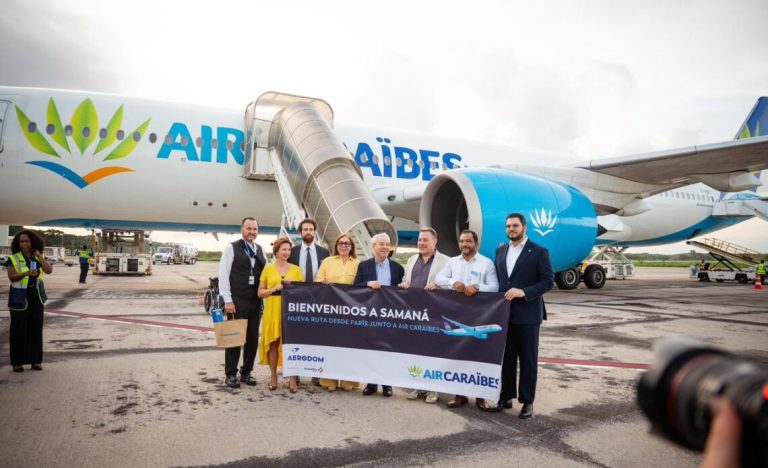
Aerodom announces the arrival of the first direct flight between Paris and Samaná

0

The route is operated by the airline Air Caraïbes and connects France with Juan Bosch International Airport (El Catey).

SANTO DOMINGO. Aerodom announced this Tuesday, December 16, the official arrival of the first direct flight from Paris to Samaná, operated by the airline Air Caraïbes, through the Juan Bosch International Airport (El Catey).

The inaugural flight, operated yesterday, arrived in the country through the Samaná air terminal, the institution reported in a press release.

Aerodom's Commercial Director, Alexandra Malvezin, highlighted the importance of this operation for the destination. "Air Caraïbes' arrival in Samaná represents a key step in continuing to position the region as a premium and highly connected tourist destination," she stated.

He also indicated that "Air Caraïbes is, in fact, the first regular airline to operate to Samaná for several years.".

For his part, Air Caraïbes Chief Commercial Officer Hugues Heddebault said, “With Samaná we continue our mission to be a true link between France and the Caribbean.”.

Air Caraïbes is currently the only French airline that directly connects the Dominican Republic with France and, during the winter season, will offer two weekly flights to Samaná, on Mondays and Saturdays, the institution reported.

Santiago at its best: epicenter of vertical development

The vertical real estate boom in Santiago contrasts with the difficulties of the national market.

SANTIAGO– The year 2025 has been particularly challenging for the Dominican real estate sector, marked by scandals and a slowdown in key hubs such as Santo Domingo and Punta Cana. Nevertheless, Santiago de los Caballeros is consolidating its position as one of the country's main epicenters of vertical growth.

This dynamism reflects the strength of a city that has become an engine of national real estate development, where companies like Santiago CasasRD have capitalized on the confidence of the local market, differentiating themselves through a solid personal brand and a strategic expansion with a clear purpose.

While the national market faced a scenario of uncertainty, Santiago emerged as a symbol of sustained growth and stability.

Adonis Francisco, CEO of Santiago CasasRD, confirms the boom in vertical construction in the Heart City: “Every day a new project emerges and many are sold in just three months.

This behavior contrasts with the national situation, where real estate scandals in Punta Cana and Santo Domingo have damaged the sector's image, while Santiago has not experienced any significant real estate scandals in the last 16 years. This is thanks to transparent management, which, according to Francisco, strengthens the confidence of investors and buyers.

In less than a year, the company placed 20 projects with sales levels between 80% and 90%, reflecting the strength of the local market.

According to the Monetary Policy Report of September 2025, the Central Bank reported that RD$22,522 million were channeled towards the construction and acquisition of real estate, with 36% of the resources released from the legal reserve being allocated to this sector.

Results and expansion

Santiago CasasRD reported a 30% increase in its number of employees and more than 60% growth in its sales, figures that contrast with the challenging national real estate context.

Francisco highlighted the company's expansion, with two offices in Santiago and plans to open one in Puerto Plata.

The executive explained that Santiago CasasRD's competitive advantage is based on three fundamental pillars:

  • business structure and processes, with professional customer management, appointments, and results-oriented advertising.
  • organizational culture , based on integration, social activities, and a family-like work environment.
  • Personal branding and social media, which generate trust and differentiate the company from unregulated agents.

Projections

Looking ahead, Francisco envisions sustained expansion: “We are going to take two more steps to fulfill the dream of providing homes for Dominicans.

Caribbean Series 2026: Dominican Republic, Mexico and Puerto Rico will not attend

0

The Caribbean Professional Baseball Confederation (CBPC) reported that the leagues justify their decision due to the political and military situation in Venezuela.

SANTO DOMINGO– The Dominican Republic announced yesterday that it will not participate in the 2026 Caribbean Series, scheduled to be held in Venezuela from February 1-7. The decision was communicated by the Dominican Professional Baseball League (LIDOM) to the Caribbean Professional Baseball Confederation (CBPC) at an extraordinary meeting of the organization.

The confederation announced in an official statement that LIDOM's decision was due to the fact that "the necessary conditions are not in place to guarantee its participation in the tournament." The Dominican league indicated that "the political and military situation in Venezuela directly influences its position.".

Along with the country, the Mexican Pacific League (Liga ARCO Mexicana del Pacífico) and the Roberto Clemente Professional Baseball League of Puerto Rico also announced their refusal to participate. In the statement, the organization clarified that “the notification from the three leagues was received within a framework of institutional respect and in accordance with the Confederation’s internal procedures.”.

Reaction

 The Venezuelan Professional Baseball League (LVBP) immediately reacted, stating that it "has the necessary organizational conditions to carry out the Tournament," and praised "the work of the Venezuelan organizing committee and the efforts made in planning the tournament.".

 For its part, the confederation added that it “will continue to constantly evaluate the situation before making a final decision on holding the 2026 Caribbean Series, keeping various alternatives open to preserve the continuity of the event.”.

If the declines continue, the 2026 edition would, for the moment, be hosted by Venezuela, accompanied by the invited countries Colombia, Cuba, Panama and the Japan Breeze team, representing Japan.

 Finally, the CBPC indicated that "the possibility of moving the Caribbean Series to an alternate venue is not ruled out, as happened in 2019, when the tournament was moved to Panama due to the Venezuelan political situation.".

Possibilities of the 2026 Caribbean Series in the Dominican Republic

On October 9, in an interview with ESPN en Español, the president of the Dominican Republic Professional Baseball League (LIDOM), Vitelio Mejía Ortiz, stated that the Caribbean Series will not be held in the country until a larger stadium is built. The statement came amid discussions about future venues for the tournament.

“To generate that kind of revenue, you need a certain capacity. You need a stadium that holds 20,000 to 25,000 fans,” the executive stated, referring to the infrastructure requirements necessary to host the event. He noted that the current stadium capacity limits the organization of the Caribbean Series.

He also explained that the host country must cover the tournament's operating costs. "When you host the Caribbean Series, you have to pay for everyone's expenses," he stated, mentioning airfare, accommodation, transportation, player meals, and other logistical commitments.

One lesson that 2025 taught the real estate sector: "trust cannot be improvised," says José Alberto Espinal

The sector's growth will only be sustainable if it is built on a solid foundation of transparency and buyer security.

SANTIAGO. –  2025 will be remembered as one of the most challenging for construction and the real estate market in the country, as according to the Central Bank's September Monetary Policy Report, the construction sector registered a drop of -12% in its growth.

The Dominican Republic's monetary policy regulator indicated in the report that these results reflect the moderation of a market that grew after the pandemic, andmortgage interest rates that reached historic levels of up to 15 and 16%.

Amid this scenario, the cases of real estate malpractice that came to light shook the confidence of buyers, another factor also pointed out by developers and real estate leaders who maintain that, although they were few in number, their media impact was enormous.

For many, 2025 was the year the sector had to look in the mirror and recognize that credibility is as important as sales figures.

In the words of José Alberto Espinal, broker-owner of Plusval North Zone, “not everything is bad; the good thing is that we have learned to be more rigorous” and if 2025 taught us anything, it was that trust cannot be improvised.

Beyond competition, the agencies have united around a common purpose: to guarantee buyer security.

Espinal also reflects on the lessons learned this year: “This is a sector that, thank God, we manage in a spirit of camaraderie. Today we are at the event of a great friend, from another real estate company, which speaks volumes about the unity that exists, and that has been key to facing the crisis of confidence.”.

The new golden rule

The lesson is clear: it's not enough to have an attractive project; it must be protected with processes that ensure its legitimacy. The trust, in particular, becomes a seal of trust that offers greater guarantees for the industry ecosystem.

The big change in 2025 has been the rigorous vetting of projects and promoters, and Espinal explains it clearly:

Review the origin of the resources and financing of each project.

Verify documents and property rights.

Evaluate the track record of the promoters.

Require trusts, permits and licenses as an indispensable condition.

Protecting the buyer: an ethical commitment

“A product that we bring to market under our brand must give the customer the assurance that it has been fully evaluated and vetted,” says the veteran real estate advisor, in an interview with El Inmobiliario.

The ultimate purpose of this rigor is to protect the buyer. Espinal sums it up in a powerful phrase:

“Our purpose is to minimize as much as possible the cases where a person loses the sacrifices of their entire life.”.

In a market where acquiring a home involves years of effort, the responsibility of real estate companies is to guarantee that each marketed project is risk-free, so vetting becomes an ethical commitment, beyond the business aspect.

Espinal argues that the real estate scandals were a hard blow in the year that is ending, but also a catalyst for agencies to strengthen their processes and raise their security standards.

The partnership between companies, rigorous vetting, and the requirement of trusts are now part of the new language of trust in a Dominican real estate market that enters 2026 with a clear lesson:growth will only be sustainable if it is built on the solid foundation of transparency and security for the buyer.

2025: Flourishing, expansion and regional leadership of Dominican tourism

0

Investments, new properties and challenges of a sector in full transformation.

SANTO DOMINGO. – The Dominican Republic will close 2025 as one of the most dynamic tourist markets in the hemisphere, not only because of the record number of visitors, celebrated by the Ministry of Tourism, but also because in the last 12 months the industry experienced a transformation marked by a strong shift of capital towards this niche in the country.

This translates into a surge in investment in new properties, accelerated expansion of the hotel pipeline (portfolio of projects underway or confirmed), international alliances, and a sustained flow of foreign investment that is reshaping the national tourism offering.

In summary, the country strengthened its tourism industry to such an extent that international organizations highlighted its role as an example of solid recovery and sustained expansion in the Caribbean, following the COVID-19 pandemic that began in 2020.

A pivotal year for luxury

Beyond the headlines about the arrival of tourists, in 2025 high-end projects such as St. Regis Cap Cana (inaugurated on May 1), the relaunch under a new brand of Wyndham Alltra and other converted assets in Punta Cana came into operation and were renovated, marking a milestone in the expansion of international luxury.

Large-scale international alliances, such as the partnership between Grupo Piñero and Hyatt, with estimated investments of hundreds of millions of dollars in remodeling and operation of assets in Punta Cana-Bávaro, added to a notable increase in boutique openings and the entry of European operators into the area.

In short, the Dominican Republic not only attracts tourists, but also global hotel capital seeking to position itself in the most stable Caribbean market.

The pipeline that changes the landscape

The most revealing indicator of consolidation is the pipeline of projects in planning, pre-construction, and construction. At year-end, the country had 81 hotel projects in the pipeline, totaling 17,351 rooms in various stages (from planning to construction). This figure, taken from the quarterly industry monitoring report, places the country among the fastest-growing hotel markets in Latin America.

Sector monitoring reports (Lodging Econometrics and industry summaries) indicate that a large part of that portfolio is concentrated in already consolidated hubs, such as Punta Cana/Cap Cana and in emerging destinations such as Miches, northern areas and projects in Pedernales.

The projection offered by these documents is that 2026 will be a year with significant openings as the works of several projects that are currently underway are completed.

To put the magnitude into perspective, if a significant portion of the pipeline (between 50% and 70%) comes online during 2026, the Dominican Republic could add between 8,676 and 12,146 hotel rooms next year. This is the figure that sector analysts are focusing on, estimating that 2026 could see a rate of room delivery comparable to thecountry's historical "expansionary cycles."

Foreign investment and economic flow

– Tourism revenue: the Central Bank reported US$8.5 billion between January and September 2025, a figure that confirms the sector's ability to generate foreign currency and justify new investments.

– Hotel supply: ASONAHORES estimates more than 90,000 rooms in 2025, with average occupancies close to 80% in key months, which creates the need to expand the existing capacity and, in turn, investor confidence in the absorption of new supply.

– Financing: mix of international chains, institutional funds and public-private schemes with state infrastructure (ports, airports, aqueducts).

– Risks: The Central Bank warns that profitability depends on stable demand, control of cost overruns, and supply management to avoid downward pressure on tariffs. In other words: money is committed, but its return is subject to operational and macroeconomic conditions.

The international perspective

The Dominican Republic's performance aligns with a solid global trend. The UNWTO reported in 2025 that global tourism showed "resilience and sustained growth" and cited the Dominican Republic as a benchmark in the region for surpassing pre-pandemic levels.
The World Bank, in its 2025 investment guides and macroeconomic analysis, emphasized that Dominican tourism maintains a strategic role, although it cautioned about the need to strengthen infrastructure, sustainability, and environmental management.
In other words: the Dominican Republic is growing, and the world recognizes it. But the challenges remain.

Growth Challenges

There are at least four major areas that pose challenges to the growth of tourism and therefore the country's economy: infrastructure, environmental risks, dependence on source markets, and regional competition

1. Infrastructure: Roads, airports, and water and energy networks must grow at the pace of development. Central Bank reports warn that public and private investment must be better synchronized to sustain growth.
2. Environmental risks: Sargassum seaweed was a major issue in 2025, with incidents affecting beaches and tourism operations. The region, including the Dominican Republic, announced cooperation with Mexico to manage the phenomenon.
3. Dependence on source markets: Diversifying beyond the US and Canada is becoming more than a strategy; it's a necessity to sustain demand.
4. Regional competition and overcapacity: With thousands of new hotel rooms on the way, the risk of upward pressure on rates is growing should global demand slow.

2026: the year of major openings

In short, 2025 laid the groundwork and 2026 will bring the harvest, with a robust portfolio and dozens of projects under construction, new luxury properties, consolidation of Miches as an emerging hub, more activity in Cap Cana and Punta Cana, progress in Pedernales, relaunches under global brands, and also greater pressure on infrastructure and sustainability.

The Children's Road Safety Park in Ciudad Juan Bosch will be renovated

0

SANTO DOMINGO.- The National Institute of Transit and Land Transportation (Intrant) , in partnership with the United Petroleum group , announced the relaunch of the Children's Road Safety Park in Ciudad Juan Bosch , an initiative aimed at strengthening road safety education and the prevention of traffic accidents from an early age   

This project is part of the strategic actions promoted by Intrant to foster a culture of safe and responsible mobility, through educational spaces designed for children and adolescents to learn, in a practical and didactic way, the principles of traffic, respect for the rules and road coexistence, with the support of the private sector.

The executive director of Intrant, Eng. Milton Morrison, valued the alliance with United Petroleum as an example of effective cooperation between the public and private sectors to generate a real impact on road safety in the country.

“Road safety education is one of the most powerful tools for saving lives. This joint effort with United Petroleum will allow us to continue developing more aware and responsible citizens from childhood, and demonstrates the value of strategic alliances for the common good,” Morrison said.

As part of the agreement, United Petroleum will make an annual contribution of RD 1,500,000.00 for a period of five years, intended for the renovation, adaptation and general conditioning of the park, according to the priority needs of the educational premises, guaranteeing safe and adequate spaces for learning.

The park's relaunch includes the adaptation of themed educational areas, which will allow children to interact with simulated traffic scenarios, as well as strengthen practical learning, prevention, and responsible decision- on public roads.

The program will also include awarenessspecialized talks on prevention, and the development of safeguarding policies for children and adolescents, with the support of Save the Children Dominican Republic, which strengthens the educational and social focus of the park.

For his part, United Petroleum CEO Juan Tomás Díazhighlighted the company's commitment to prevention and road safety education, and called on the business sector to join initiatives that contribute to reducing traffic risks and building safer mobility for all.

With this joint action, Intrant and United Petroleum reaffirm their commitment to road safety education as a pillar of prevention, focusing on the training of new generations and the protection of life on the roads of the Dominican Republic.

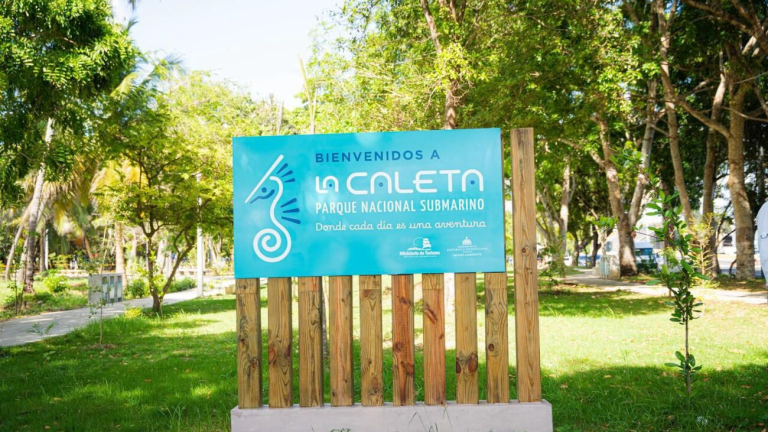
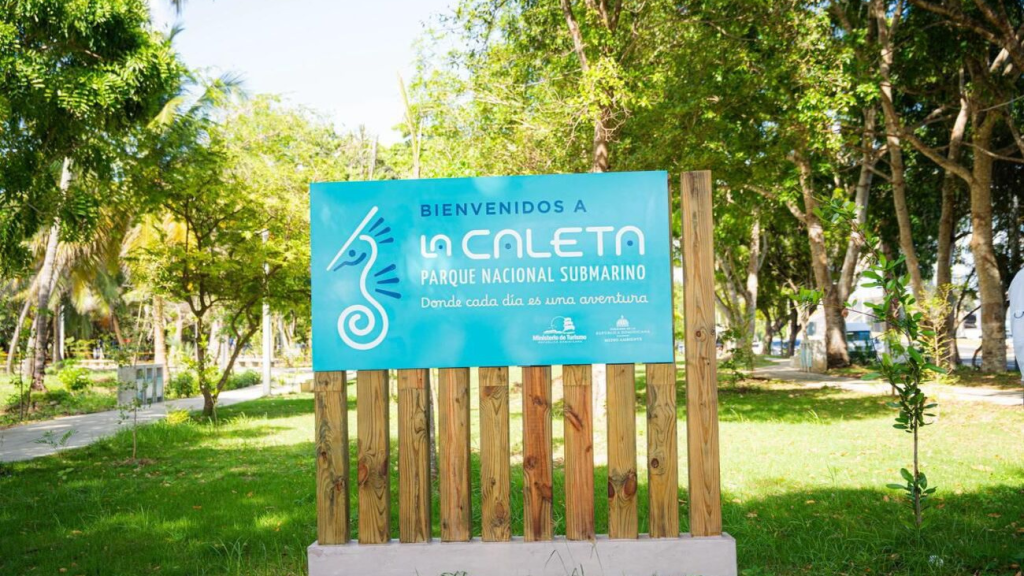
The renovated La Caleta Underwater National Park is delivered

0

LA CALETA, BOCA CHICA. – The first stage of the remodeling of the La Caleta Underwater National Park was delivered to this community by President Luis Abinader and the Minister of Tourism, David Collado.

In this space of great importance for sustainable tourism development, the preservation of natural and cultural heritage and the socio-economic revitalization of the municipal district of La Caleta, a strategic intervention aimed at strengthening the national tourism offer was completed.

The project, carried out through the Ministry of Tourism, included the comprehensive rehabilitation of more than 119,000 square meters, with pedestrian paths, plazas, recreational areas, viewpoints and service spaces, consolidating the park as a key point for nature tourism, family recreation and marine activities, especially diving.

Its potential to be integrated into a sustainable tourism strategy that combines enjoyment, environmental conservation, and education was highlighted.

During the opening ceremony, authorities highlighted the park's importance as a high-value tourist asset, given its proximity to Las Américas International Airport, making it an attractive option for both international visitors and local residents.

Heritage and community concerns

The La Caleta Underwater National Park is recognized not only for its marine richness, but also for its historical and archaeological value, as it houses pre-Hispanic remains of great importance to Dominican cultural identity.

In that context, during the development of the works, concerns arose from community sectors regarding the protection of these heritage elements and the preservation of spaces traditionally used by the community.

In response to these concerns, the authorities reported that the work was adjusted when archaeological findings occurred, proceeding to the temporary halt of specific areas and the intervention of specialists, with the aim of ensuring the proper protection and handling of the remains found.

It was ensured that no heritage elements were destroyed and that all actions were carried out under technical supervision and in accordance with current regulations.

Similarly, the importance of strengthening dialogue with the local community was recognized, highlighting that the project includes future actions aimed at creating interpretive and educational spaces that value the history of the place and facilitate greater integration of residents in the management and use of the park.

Tourism, development and balance

Authorities emphasized that the restoration of La Caleta Underwater National Park is part of a development vision that seeks to balance tourism growth with the protection of cultural and environmental heritage, as well as the well-being of surrounding communities.

This approach aims to make the park a benchmark for responsible management of public spaces, where tourism acts as an engine of development without compromising historical memory or natural resources.

The inauguration marks a new chapter for La Caleta, positioning it as a destination that integrates nature, history and tourism and reaffirms the State's commitment to a sustainable and inclusive development model.