Prisoner deaths shock the nation; Public Prosecutor's Office takes over investigation into the death of David de los Santos; nearly 80% of Dominican workers still earn less than 30,000 pesos; troops deployed to the border following the kidnapping of a diplomat; less than a year after its inauguration, the Gregorio Luperón tourist highway suffers new landslides; Luis Abinader: If the quality of life for workers is not improved, then the government has failed; progress in the least developed countries is stalled by multiple crises; the country needs labor reform that includes the regulation of teleworking; the world prepares for famine; subsidies to the population jeopardize budgetary stability
Prisoner deaths shock the nation; Public Prosecutor's Office takes over investigation into the death of David de los Santos
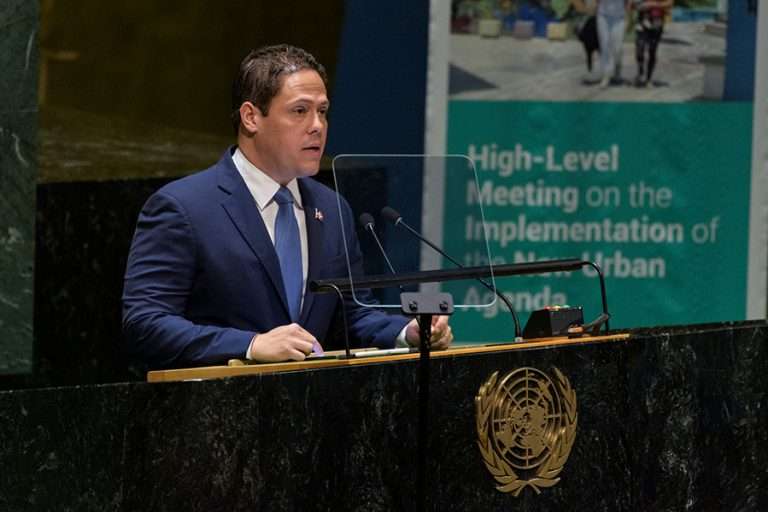
Upon learning of the death of a young man who was being held at the police station in Naco, President Luis Abinader expressed his “dismay” at the crime last night and promised that, during his administration, “no case of this nature will go unpunished.” The Public Prosecutor’s Office has taken over the investigation into the death of David de los Santos, which occurred Sunday afternoon at a hospital where he had been taken from the police station in Ensanche Naco, where he was being held.
Almost 80% of Dominican workersstillearn less than 30,000 pesos
The economic crisis caused by the pandemic has led to the highest inflation recorded in recent years in the country. The income of most workers remains below RD$30,000, while the cost of the basic food basket for the lowest-income population reached RD$24,367.08 last March, according to the Central Bank (BCRD). According to the Labor Overview of the Dominican Social Security System (SDSS) and Social Security Treasury (TSS) collection statistics for February 2022, 33.57% of jobs pay between RD$15,000 and RD$30,000; 26.13% pay between RD$10,000 and RD$15,000; and 14.78% pay between RD$5,000 and RD$10,000. and 3.35% less than RD$5,000, this means that the maximum salary in 77.83% of formal jobs in the country is RD$30,000. Only a small group, representing 10.83%, is paid between RD$30,000 and RD$50,000 and 11.34% of employees have the privilege of earning more than RD$50,000.
Troops deployed to the border following the kidnapping of a diplomat
A large and unusual military deployment is visible at this point on the border with Haiti, following the kidnapping of Carlos Guillén Tatis, agricultural advisor at the Dominican embassy in Port-au-Prince. According to Dominican authorities, Guillén Tatis is being held by the notorious Haitian gang 400 Maowozo, abducted by the criminal group that operates outside the law, as the diplomat was traveling from Haiti to the Dominican Republic.
Less than a year after its inauguration, the Gregorio Luperón tourist highway has suffered new landslides
The Gregorio Luperón tourist highway that connects Santiagowith Puerto Plata, which was inaugurated last August, is experiencing landslides despite having been built to international standards for mountain roads and at a cost exceeding 4.245 billion pesos.
Luis Abinader: If the quality of life of workers is not improved, then the government has failed.
On the occasion of International Workers' Day, President Luis Abinader held a luncheon with union leaders to discuss issues of interest, accompanied by the Minister of Labor, Luis Miguel De Camps. During the meeting, the President emphasized that the government's focus is on "growing the economy while defending workers' rights, because if the quality of life for workers is not improved, then the government has failed," he stated.
The progress of the least developed countries is stagnating due to multiple crises
Economic and social progress in the Least Developed Countries (LDCs) has been hampered by the impact of the COVID-19 pandemic, climate change, and the ongoing energy and food crises. According to a report by the International Labour Organization, most LDCs responded quickly to the pandemic by implementing a wide range of support measures, despite widening financial gaps and limited fiscal space.
The country needs labor reform that includes the regulation of teleworking
Young people and professionals will need specialized technical skills to meet post-pandemic job demands and the requirements of new work models, according to a report by the National Institute of Technical and Vocational Training (Infotep). With International Workers' Day celebrated on May 1st, it is necessary to assess the challenges and opportunities facing the national productive sector, especially as the country's economic activities begin to restructure following the devastation caused by the COVID-19 pandemic.
The world is preparing for famine
Climate change, the pandemic, and the war in Ukraine are pushing the world toward unprecedented famine. Several countries have responded by suspending exports to ensure their populations can feed themselves. Others, like Spain, are authorizing the cultivation of fallow land to guarantee food security for their people.
Subsidies to the population put budgetary stability at risk
Government subsidies to various social sectors of the country, such as fuel, economic aid programs, import financing, and the sale of basic goods at low cost, among other measures, jeopardize the stability of the National Budget, affecting government investments. According to economist and professor at Columbia University, Xavier Sala-i-Martin, the economic support provided by the government to citizens is a temporary solution that could lead to long-term inflation, meaning continued price increases if the Central Bank (BC) does not raise its Monetary Policy Rate (MPR).
Sources: Listín Diario, Hoy, El Día, Diario Libre