


By Danielis Fermín
El Inmobiliario
The year was 1969 when the story of one of the Dominican Republic's premier tourist destinations began. Located in the eastern part of the country, Punta Cana is known nationally and internationally for its beautiful, idyllic beaches with crystal-clear waters and its many attractions.
Currently, it has more than 44,000 hotel rooms, distributed in "all-inclusive" complexes with high quality standards, which offer a range of activities that also encourage the consumption of local products.
According to data from the Ministry of Tourism (Mitur), Punta Cana was the most visited destination with 42% during 2023. This data is a testament to the vision and tireless work of a group of entrepreneurs who believed in a “dream”.
Its boom began in the 1970s, when significant investments were made in hotel infrastructure and the first international airport was built. Since then, the region has experienced sustained growth, becoming home to renowned resorts and golf courses.

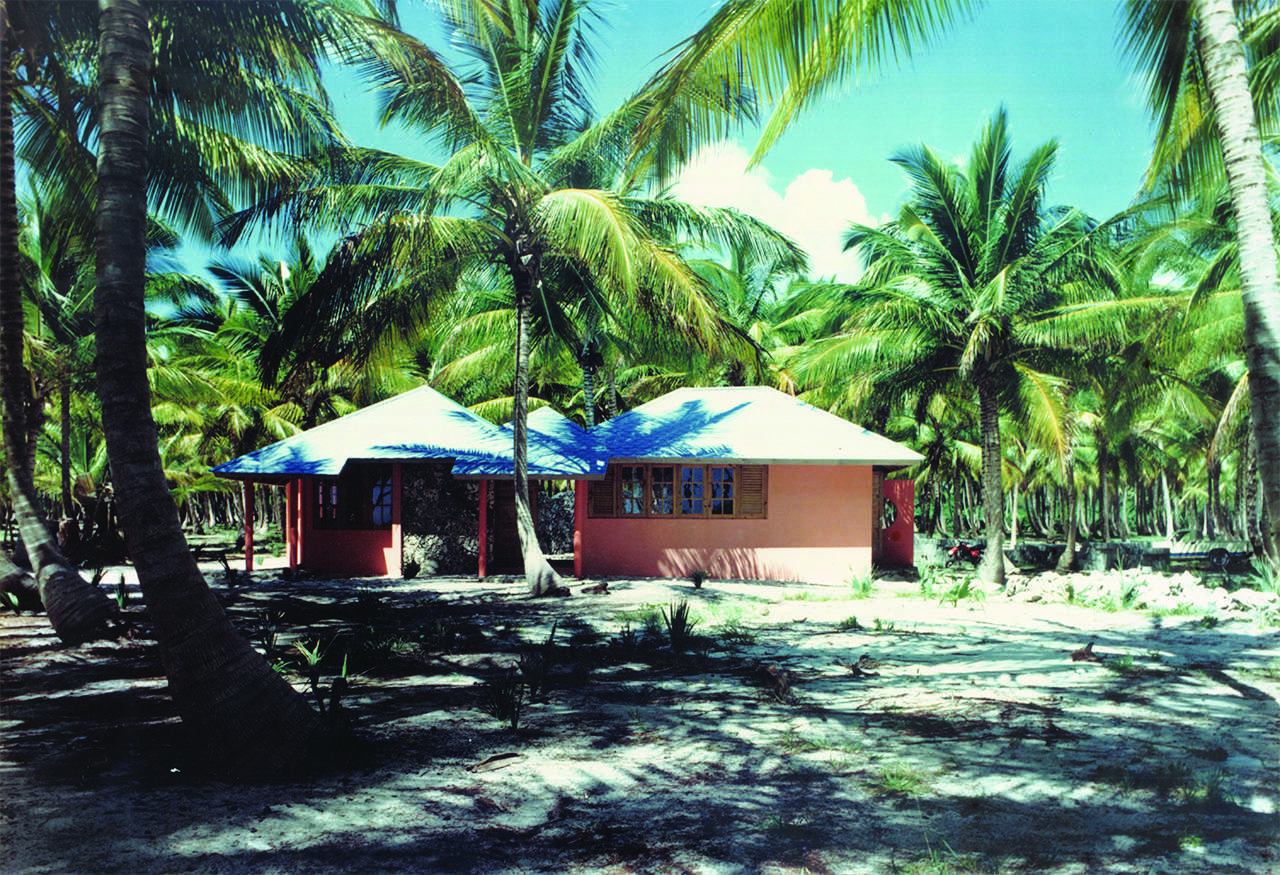
Punta Cana Club, inaugurated in 1971. Photos: www.grupopuntacana.com.do
In 1969, Theodore W. Kheel, Frank Rainieri, and a group of partners envisioned the possibility of developing the area for tourism and purchased approximately 30 square miles of land in the East.
According to Ranieri, when they settled in the area, there were only 962 rooms in the country, most of them in small hotels built by Rafael Leonidas Trujillo in some provinces; the economy was basically supported by the production of sugar, coffee and cocoa, and the Government budget did not exceed US$300 million.
“Politically, it had only been three years since we had overcome the military occupation by the United States, and it was the most difficult moment of the 1966-1978 period, when President Joaquín Balaguer governed us. It is at that moment that our story begins,” the businessman said during a meeting of the Inter-American Press Association (IAPA) in 2016.
“Punta Cana became my life, my dream,” Rainieri affirmed, adding that “bringing that dream to life would require a lot of imagination, perseverance, and faith in the future. Tourism was an unknown activity, and Punta Cana was an isolated area with no access, not even a road or a local path. Access was only by mule, air, or sea.”.
His strategic vision led him, “simply based on common sense, because we didn’t have the resources to do market research,” to create and register a new name for the area. “Punta Borrachón and Yauya weren’t commercial names, so I chose the name Punta Cana, which I saw in another area on a map of our country,” Rainieri explained.
They started with 20 rooms distributed in 10 cabins, and a central cabin with kitchen, dining room, bar, laundry and a small airstrip, which they inaugurated on October 24, 1971, with the presence of Balaguer, under the name Punta Cana Club.
In August 1976 they signed a partnership with Club Mediterranée, for the construction of the first large beach hotel in the region: Club Med Punta Cana, which opened in 1981.
To that end, they requested the government to build the highway connecting Punta Cana with Higüey. However, they knew that to achieve true development they needed an airport.
“It took almost eight years and three governments to get authorization to build on our land, without financing or state guarantee, what would be the world’s first private international commercial airport. Nobody believed in this project and they told me I was crazy,” he said.
With US$50,000 in capital, and after convincing his partner Ted Kheel, they embarked on the design and construction phase. “By then, Ted had bought out the other original partners, and it was just him and me. My shareholding had increased based on the stock option, representing seven years of salary that couldn't be paid due to a lack of capital.”.
In 1983, Punta Cana International Airport opened its doors with its first flight from San Juan, Puerto Rico, operated by PrinAir and with a capacity for 19 passengers. That year, it received only 2,600 passengers.
In 2023, this airport received 27,542 flights, which transported 4,577,756 passengers out of the 8,058,671 visitors by air that the country received, who came mainly from the United States, according to data from the Tourism Intelligence System (Situr).
The investment in the airport became the catalyst for major hotel chains to set their sights on Punta Cana and enter the Dominican market. Barceló Bávaro was the first investment, opening its doors in 1985. A few months later, RIU and Meliá began operations.
Since then, the Puntacana Group has developed a series of initiatives that have positively impacted tourism. Furthermore, they have a robust sustainability strategy aimed at preserving the environment.
Through the Puntacana Group Foundation, they manage dozens of social projects, such as the Caracolí Educational Center, the Ann and Ted Kheel Polytechnic, the Verón Polyclinic, the Oscar de la Renta Pediatric Center, the Center for Child Diversity (CEDI) and the Dr. Zato Center for the Fight Against Blindness.
Punta Cana is distinguished by its exclusive hotels, the only Six Senses Spa in Latin America, the Oscar de la Renta Tennis Center, eight residential communities, more than 14 restaurants and bars, the Galerías Puntacana and Blue Mall Puntacana shopping centers, and 45 holes of world-class golf courses.
Originally published in the print edition of El Inmobiliario .







