


Experts explained some of the common mistakes made during an earthquake that can increase the level of exposure to danger
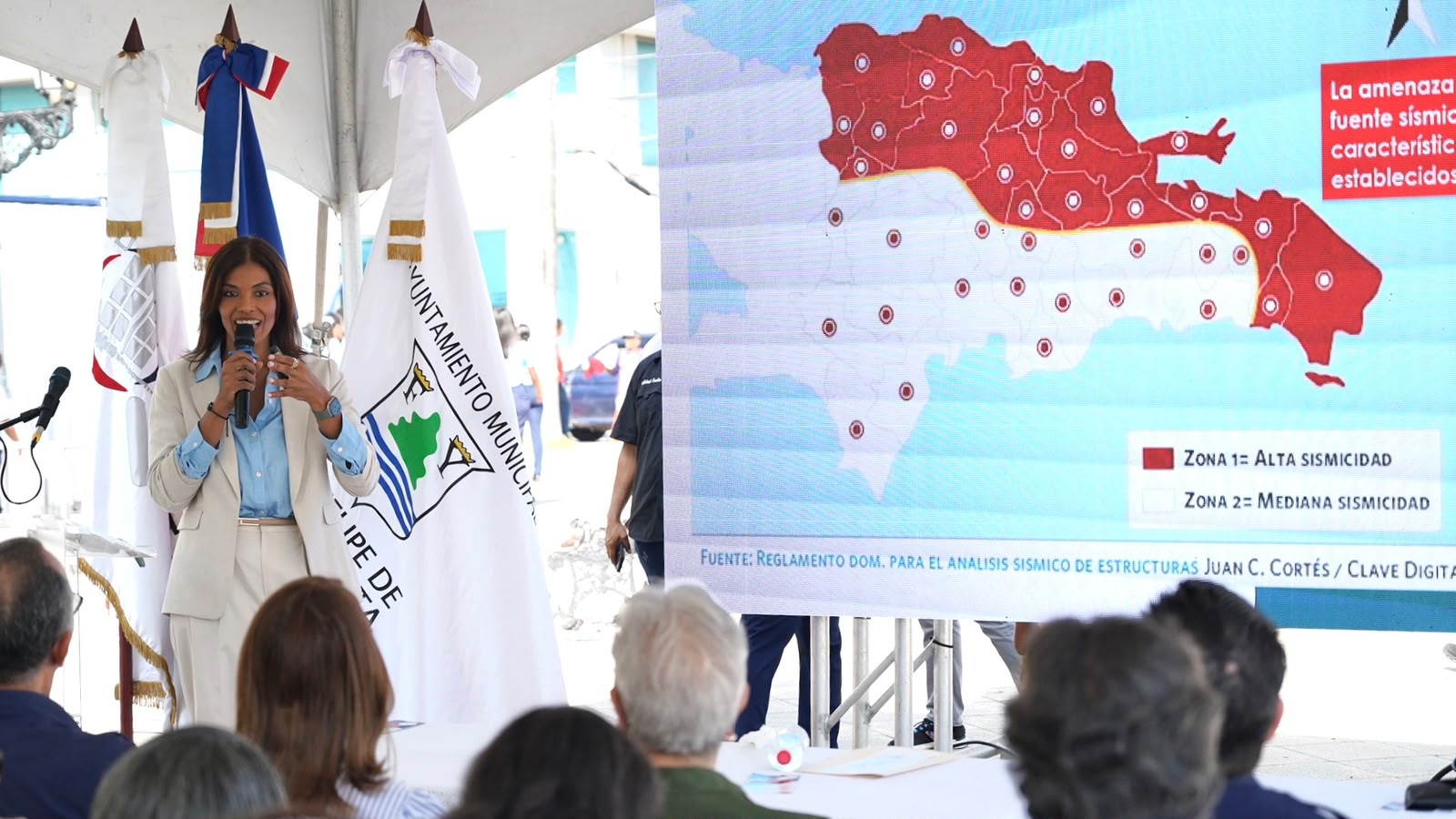
SANTO DOMINGO. The National Office for Seismic Evaluation and Vulnerability of Infrastructure and Buildings (Onesvie), together with local institutions, developed the Earthquake Preparedness and Response Workshop “Resilient Puerto Plata”, in coordination with the Provincial Government, the Municipality of San Felipe de Puerto Plata and the Provincial Directorate of Civil Defense, with the objective of strengthening the culture of prevention and providing the population with tools to respond appropriately to an earthquake in that province.
The activity, held in the Historic Center of San Felipe in that town, brought together technical knowledge, technological demonstrations, protection practices and community participation, with the aim of fostering greater awareness about seismic risks and the measures that can help reduce their consequences.
They present the P-900 seismic alert system
One of the main components of the event was the demonstration of the P-900 seismic alert system, which allowed attendees to learn how a seismic signal is detected and processed to generate an alert.
The exhibition was organized by Copperzut and aimed to bring the technological tools available to the public to strengthen preparedness and response actions in the event of a possible earthquake.
Onesvie's regional director and coordinator of the activity, engineer Fanny Ramos, explained that the proposal sought to go beyond a technological demonstration.
“We are not just proposing a technological demonstration of the early warning system, but an experience where people hear the alert, make decisions, participate in a mini drill and learn what to do before, during and after an earthquake.”.
Exercises to prepare for an earthquake
The day was developed under the axes "Alert, Knowledge, Drill, Safe Buildings and Citizenship", ensuring that attendees not only received guidance, but also practiced the recommended actions during an emergency.
As part of the activities, the "Duck, Cover and Hold On" maneuver was carried out, followed by an organized movement to a meeting point.
The exercises reinforced the need to remain calm, protect oneself properly, and follow established instructions.
They provide guidance on behaviors that should be avoided
During the meeting, specialists explained some of the mistakes that are commonly made during an earthquake and that can increase the level of exposure to danger.
Among the actions discouraged were running, using elevators, staying near windows, and returning to a building without first determining that it has adequate safety conditions.
Preparing for the post-earthquake period
Another topic discussed was the situations that can arise after an earthquake. During this period, aftershocks, fires, disruptions to basic services, road closures, and damage to infrastructure could occur.
Given these scenarios, the specialists offered recommendations on how to act, including basic first aid guidelines and instructions for responding to situations that may compromise the safety of communities.
Safe buildings to reduce risks
The section dedicated to safe buildings highlighted the importance of knowing the condition of structures and detecting possible vulnerabilities before a seismic event occurs.
Ramos emphasized that technological tools are a support for preparedness, but they must be complemented with other prevention measures.
“We cannot prevent an earthquake from happening, but we can prepare to reduce its consequences,” the engineer pointed out, highlighting the importance of people knowing the risks in their environment, knowing how to protect themselves, and having reliable information to make decisions.
Importance of consulting official sources
During the activity, he also emphasized the need to have reliable information during an emergency.
In that regard, the public was urged to consult the official channels of the responsible institutions and avoid spreading rumors or false information that could generate confusion and hinder the community's response.
Participation and exchange with specialists
The program included an interactive space where attendees asked questions of experts about earthquake prevention, vulnerability, and response.
At the end, a survey was administered to identify the knowledge acquired and to compare the level of preparation of the participants before and after the experience.
A date to remember the seismic history of Puerto Plata
The event took place on Tuesday, September 22, in the Historic Center of San Felipe de Puerto Plata, and took as a reference the seismic memory of the province, on the 23rd anniversary of the magnitude 6.5 earthquake recorded on September 22, 2003.
Finally, the commemoration transformed the date into an opportunity to recall the lessons learned from that event and promote greater preparedness among new generations. In this way, “Resilient Puerto Plata” combined training, technology, and practical exercises to strengthen citizens' knowledge and foster an organized response to potential seismic events.
Recommended readings:






