


By Ana María Ramos
El Inmobiliario
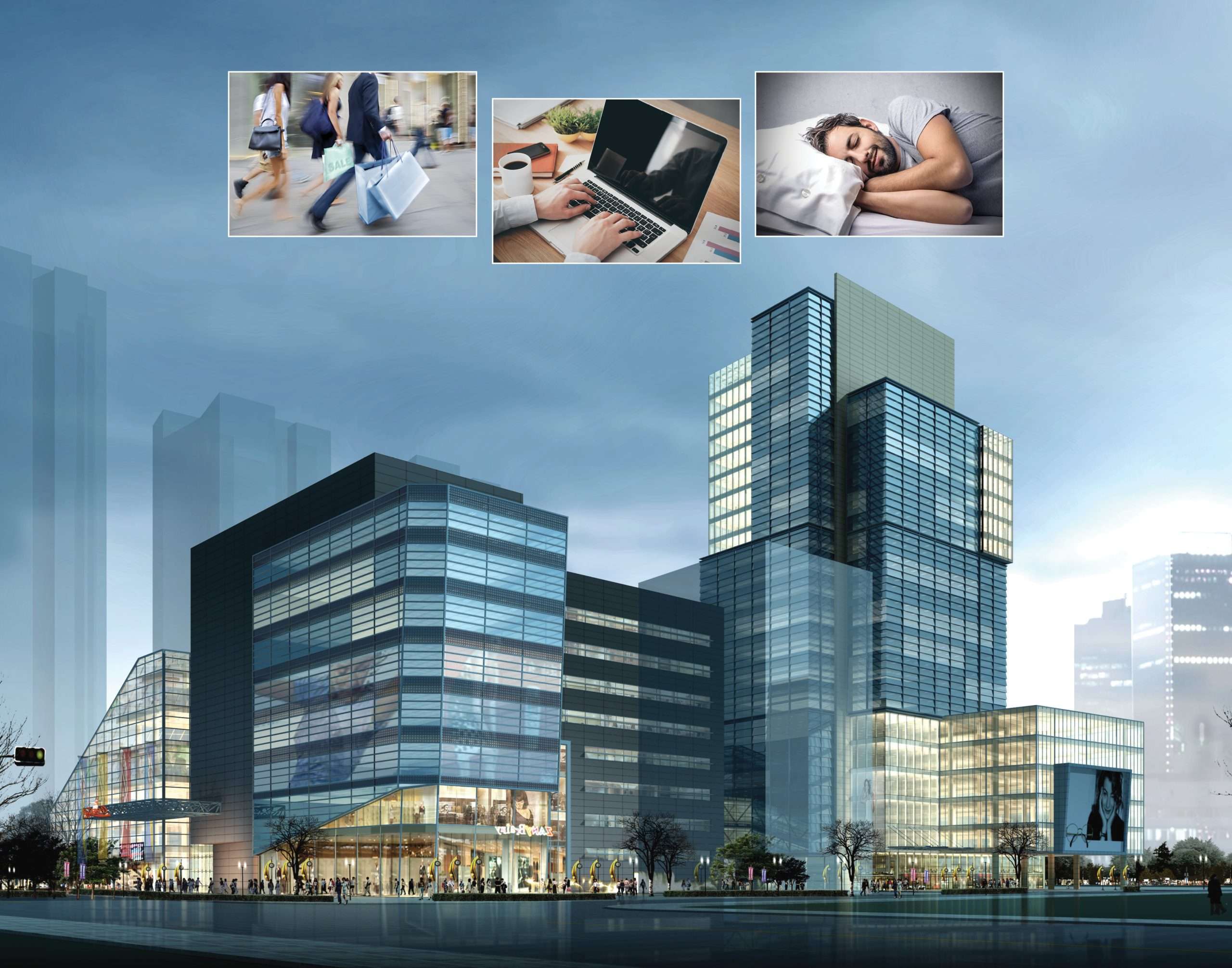
SANTO DOMINGO– The real estate development boom in the Dominican Republic has led to a resurgence of certain construction models. Mixed-use developments have resurfaced, becoming fashionable in urban areas and aligning with new trends in sustainability. They also offer numerous advantages for communities and cities by integrating diverse services within a single space.
Its design offers benefits ranging from better land use, interaction with its inhabitants, safety, decongestion in the city, in addition to contributing to the country's economic development through the investment it involves.
In the Dominican Republic, this practice dates back to the very founding of the city, in whose houses, which at that time had two levels, the first level was used for the establishment of businesses.
“Mixed-use buildings have been around for many years on our island, especially on the main commercial thoroughfares, we are talking about Duarte and Mella avenues and El Conde street, in these urban areas of the city center, these buildings have been an important part of the urban fabric,” responds architect Roberto Rijo, of Roberto Rijo Arquitectos + Asociados, who has accumulated vast experience in this model of works in Santo Domingo and Punta Cana.
He points out that although it never completely disappeared, its essential aspects are currently being reevaluated and a return to "the 15-minute city," which is the new name we are giving to the traditional city of a lifetime.
The most common mixed uses in the country are commercial-residential, says the professional, who notes that the advantages have to do with better use of built land, greater efficiency of service infrastructure, highlighting that the main benefit responds to the community interaction that the demographic concentration produces and that therefore they are more economically productive areas.
According to Annerys Meléndez, Vice President of Promotion and Construction at Melcon Constructora, although the country's cities, especially the National District, are developing these types of projects at a good pace, it is still a relatively new market and, for its full development, it still lacks urban regulations and incentives from the State that facilitate and promote best practices and trends.
The current president of the Association of Housing Builders and Promoters (Acoprovi) adds that although this type of construction has always existed in limited occupancies (commercial-residential buildings, of few levels), it was less than 10 years ago that a significant boom in them began.
For his part, architect Rijo believes the country has lagged behind in the reconfiguration of mixed-use buildings and in the enhancement of existing ones. He acknowledges, however, that a favorable trend has emerged recently, noting that “we’ll see if they come to be considered once again a natural part of the urban fabric.”.

Architect Roberto Rijo. (External source).
He defines a mixed-use building as one that combines two or more distinct uses, such as residential, commercial, office, or even industrial. These functions may be segregated by areas or floors, although there is not always an intention for them to interact or produce synergy. “The objective and strategy of such a building often have to do with planning regulations, and one of its main focuses is the efficient use of space and infrastructure,” he points out.
Meléndez adds to the menu of mixed combinations housing with commerce at low levels (restaurants, small shops), hotel occupancy and for short rental housing.
According to the Melcon executive, the construction of this type of building plays a significant role in economic development and growth because it stimulates broad sectors, generating substantial returns on investment. “Similarly, from a social perspective, it promotes cities with a higher quality of life, consequently increasing social well-being and public safety.”.

Annerys Meléndez Engineering. (External source).
For those who choose this option, it is worth noting that they can receive properties with better services and amenities. Similarly, businesses collaborate with the maintenance of the building facilities, thus promoting greater care of common areas and guaranteeing the preservation of the investment value over time.
He asserts that mixed use is also a global trend that takes into account the sustainability of the city, stemming from the need of residents to have access to nearby services and entertainment, as well as the reduction of housing and facility maintenance costs.
Santiago
In Santiago de los Caballeros, mixed-use buildings date back to the late 19th century. Between 1890 and 1930, two-story buildings were erected for commercial use, with the second story being for residential use, constructed of wood and featuring a balcony facing the street.
Sandy Rodríguez, CEO of Constructora Gizeh, explains that in the 1970s the urban expansion and growth of the Heart City began, but mixed-use buildings were not continued until their rebirth in recent years with two ambitious projects in the pipeline: Santiago Center, which has among its attractions a hotel, commercial area, supermarkets, among others, and Square Santiago with a hotel, commercial area and long-stay residence.
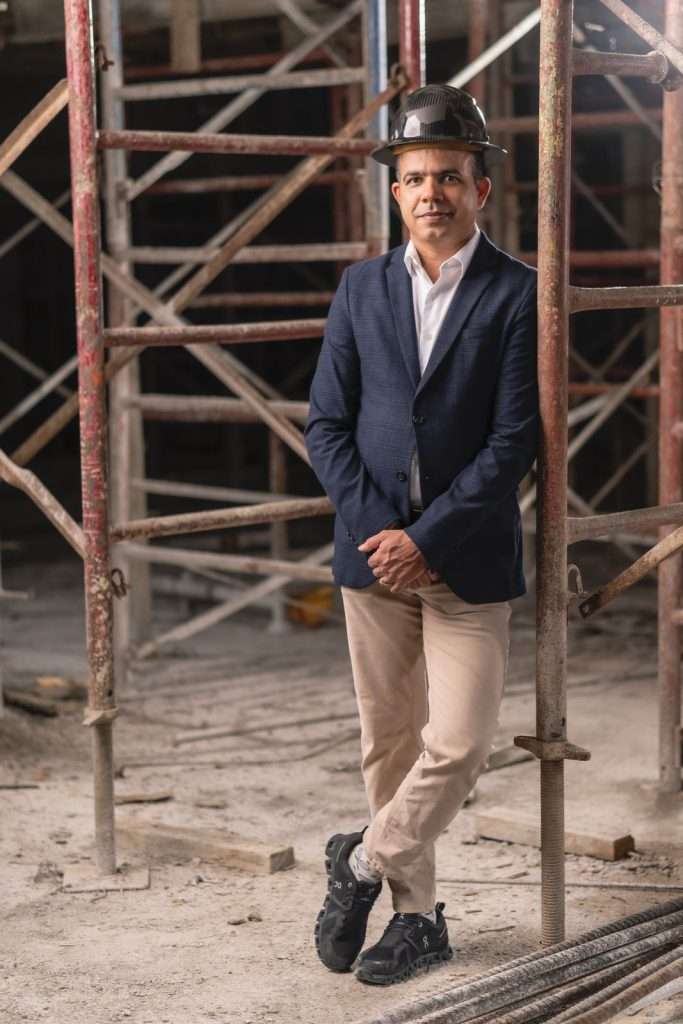
Engineer Sandy Rodríguez. (External source).
The advantages that engineer Rodríguez sees in this model are that it results in a better quality of life (less time in transit and/or fewer trips), living in a safe, dynamic and community environment; in addition to being able to live, work and access what is necessary with minimal travel.
It adds its contribution to the sustainability of the ecosystem and the improvement of the quality of life of the citizens who live there.
Although he acknowledges that this is the future trend, he observes weaknesses in the Dominican Republic in this regard. “The first step is awareness among all sectors and institutions involved to contribute to and promote these types of projects as a way to create better cities. In places like Santiago, we should prioritize these kinds of developments,” he emphasizes.
Originally published in the 6th edition of El Inmobiliario print magazine.







