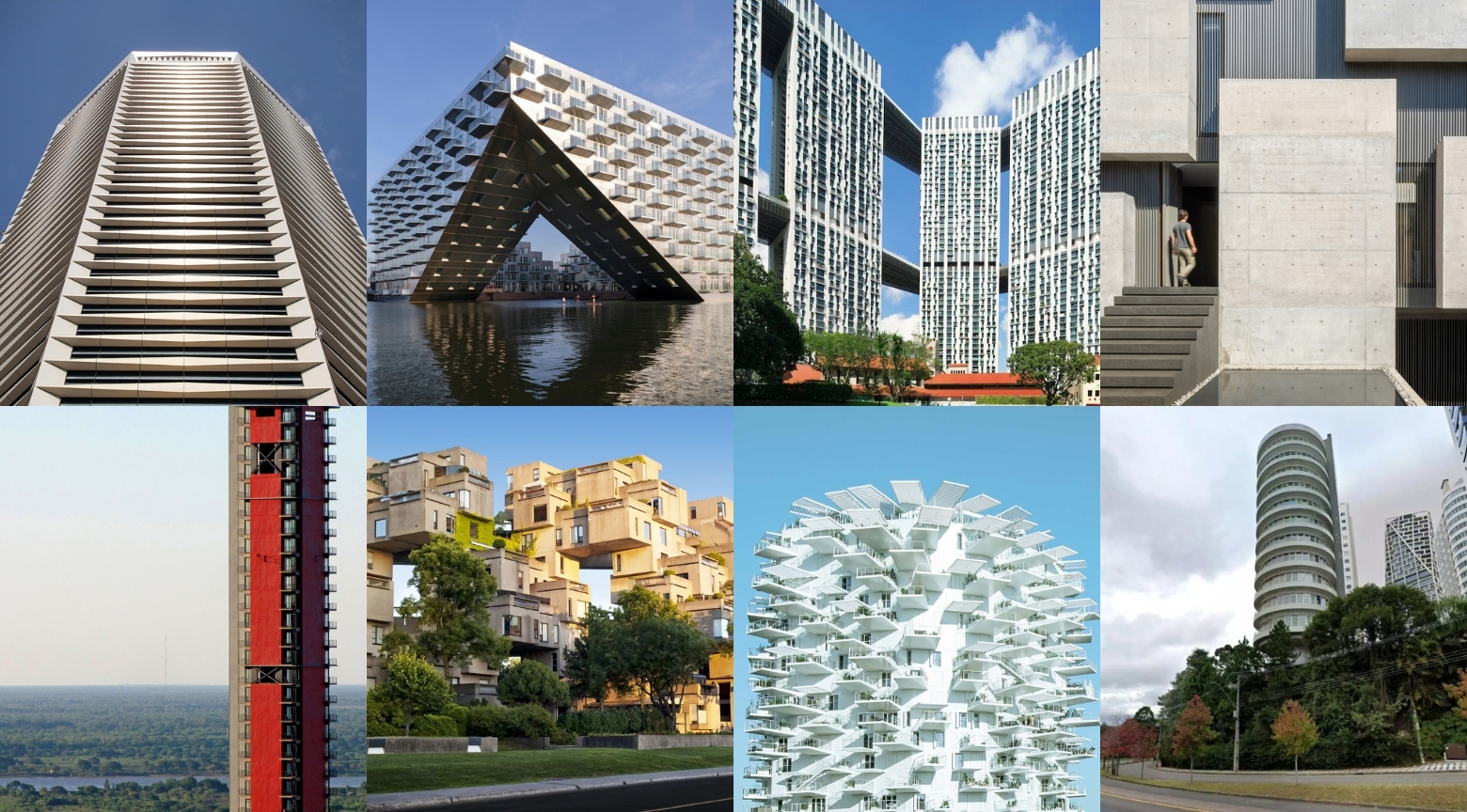
SANTO DOMINGO – We sometimes think of a building as just a place to sleep, store things, and follow our daily routine. But in various cities around the world, projects are proving otherwise: housing can also be an experience. Architects and developers have opted for unexpected designs to create spaces that not only meet basic needs but also evoke emotion from the very first glance.
A recent tour showcases eight residences that blend engineering, art, and lifestyle to redefine how we inhabit cities. From rotating towers to complexes that float on water, they all share a common idea: home can be as creative as its inhabitants.
When architecture dares
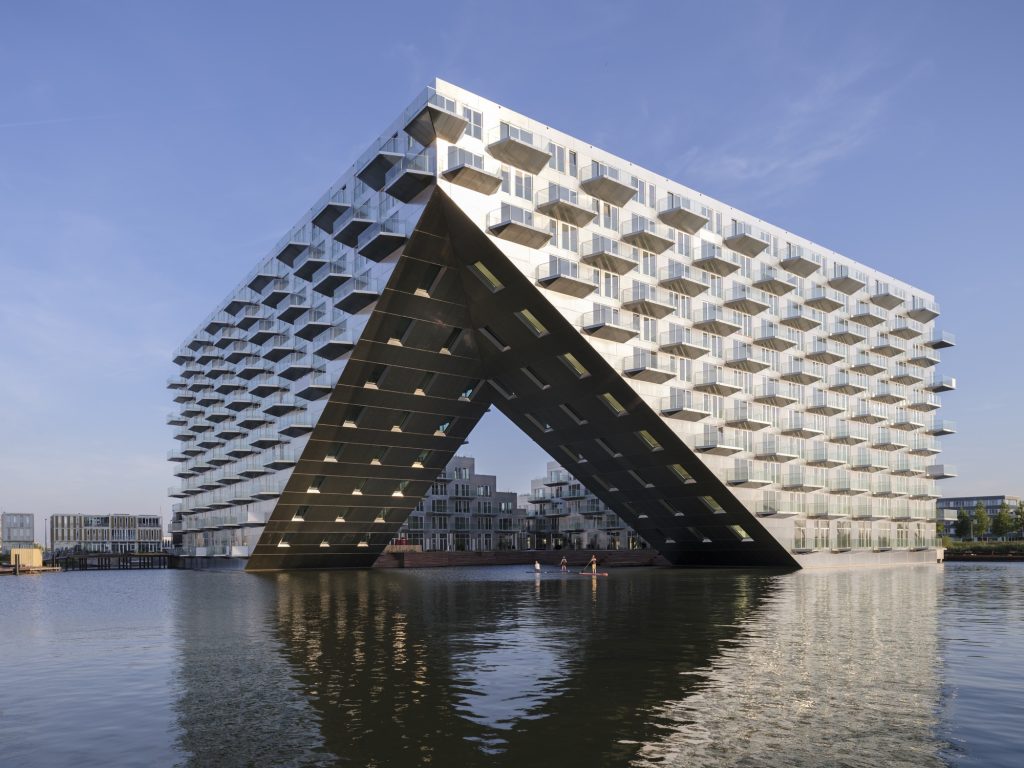
Sluishuis — Amsterdam
Built on the IJ lake, this residential complex seems to defy logic by rising directly over the water. The project houses 442 apartments and was designed to take advantage of every possible view, demonstrating that urban land doesn't always have to be dry land. More than just a building, it functions as a modern extension of the city's waterscape, showing where housing in high-density areas could evolve.
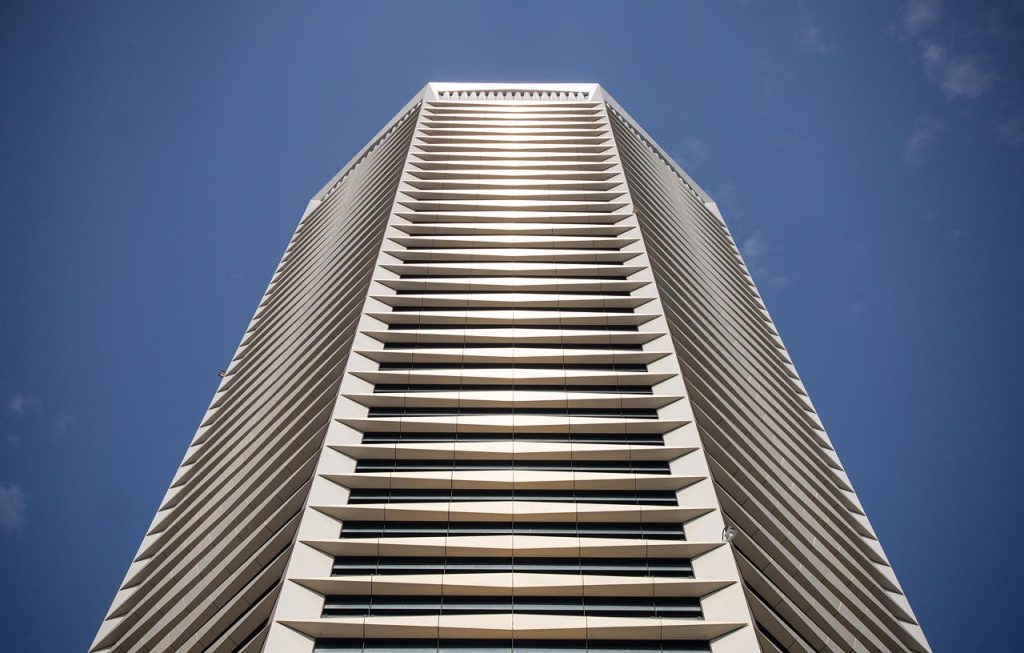
The Octagon — Birmingham
In a world dominated by rectangular towers, this skyscraper chose to be different. With 49 floors and a height of nearly 155 meters, its eight-sided shape breaks the monotony of the skyline and provides an immediate visual identity. The project confirms that geometry still has plenty of room for innovation in contemporary vertical living.
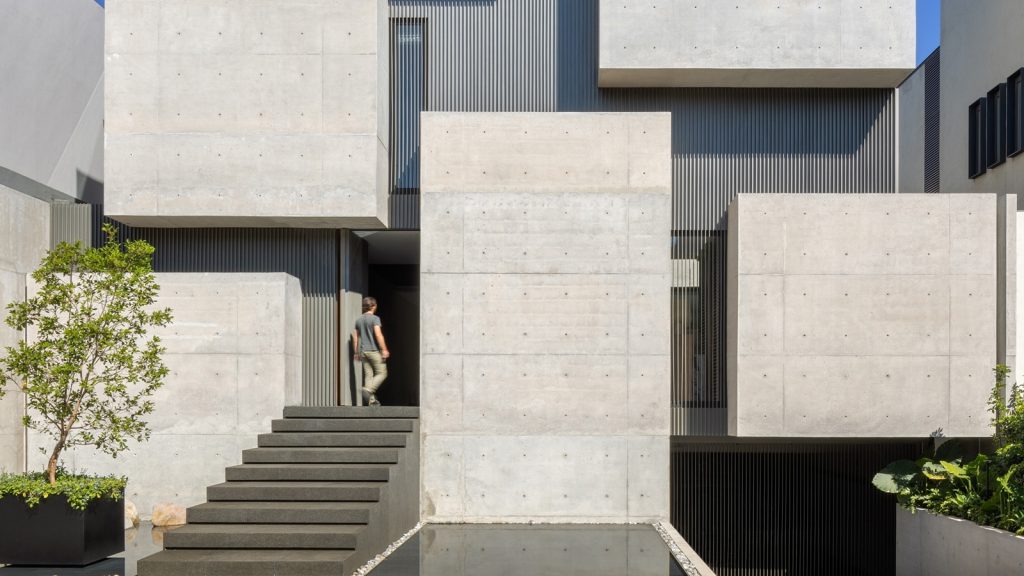
Casa Ailes — Mexico City
In the heart of a dense urban area, this luxury residence boasts a Cubist-inspired design that makes it resemble a habitable sculpture. Its concept demonstrates that even a single-family home can become an architectural statement when creativity is prioritized. It's the kind of project that compels you to pause for a moment to understand where art ends and living space begins.
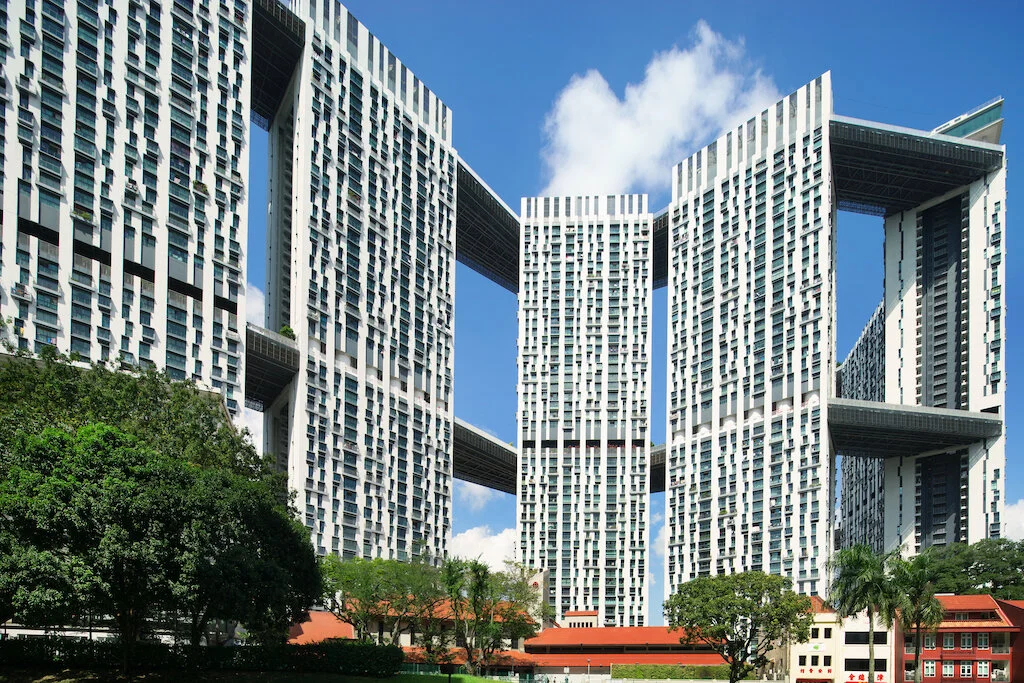
The Pinnacle@Duxton — Singapore
Seven 50-story towers connected by rooftop gardens form this complex that redefines high-rise living. The sky gardens—considered the longest in the world within a residential development—function as community spaces where residents can walk, relax, or simply admire the city from above. The project reflects a clear trend: vertical living also needs human spaces.
Living in a work of art
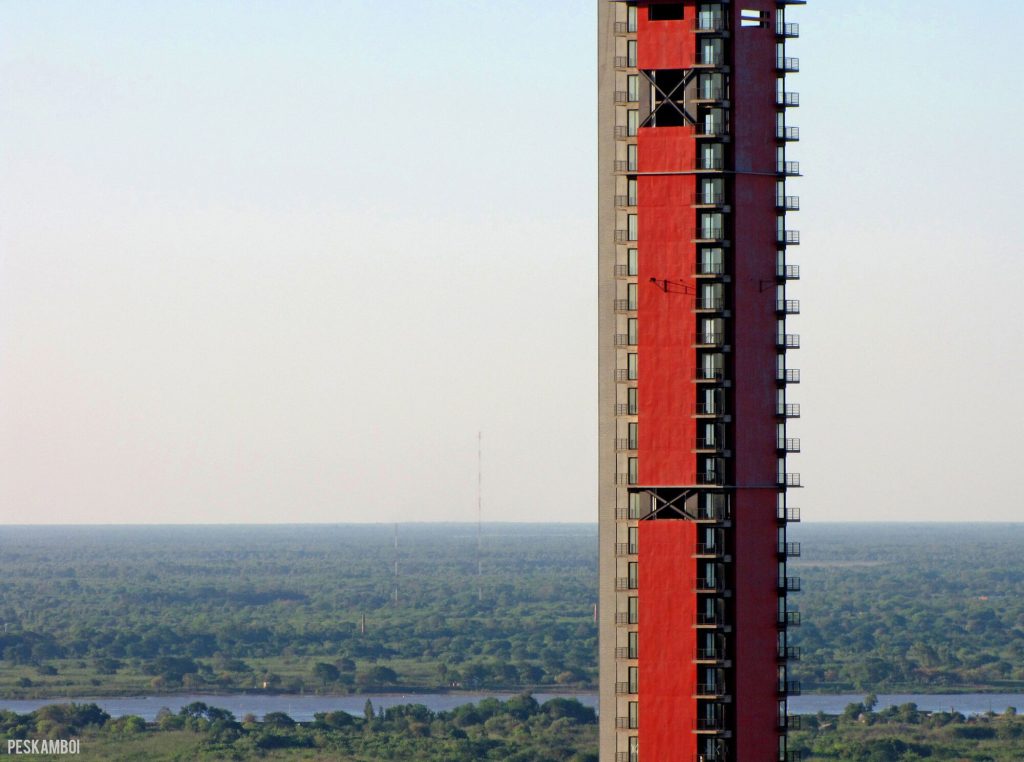
Icon Tower — Asunción
This modern tower symbolizes Paraguay's leap toward a more contemporary urban life. Its sleek design conveys the idea of progress and demonstrates how some emerging cities are using architecture to project a more global image. It's not just about height, but about sending a message: Latin American capitals can also invest in residential innovation.
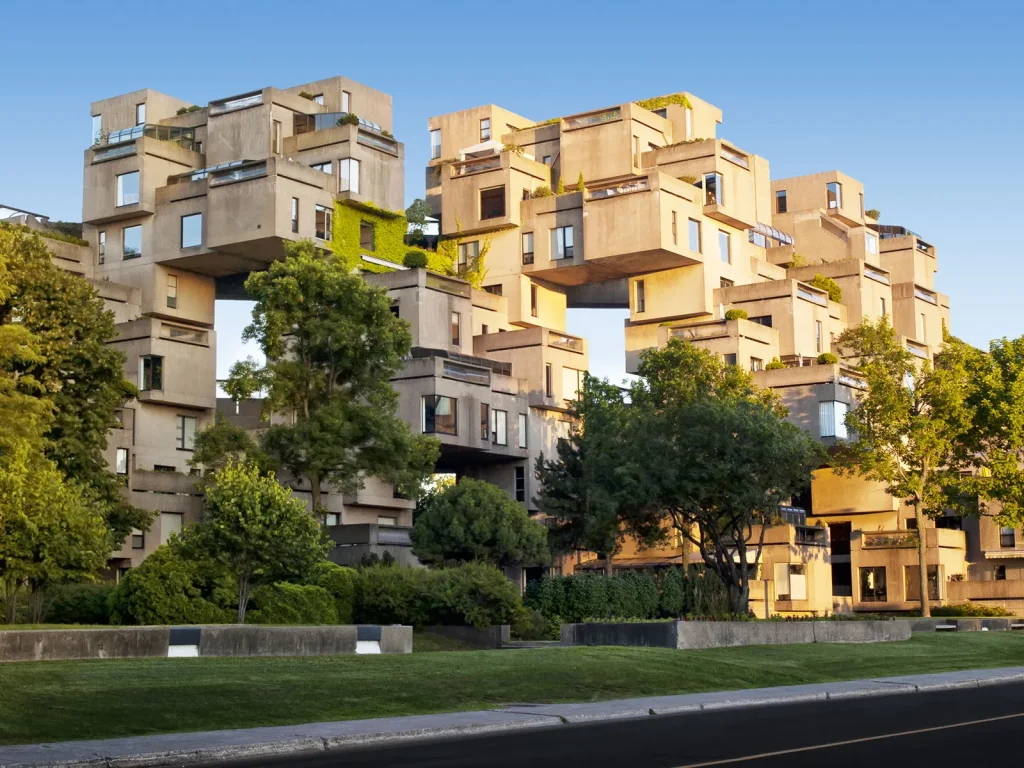
Habitat 67 — Montreal
Few buildings have changed the conversation about urban housing as much as this modular complex. Its stacked concrete blocks, each with its own terrace, resemble giant Lego pieces arranged with precision. The project revolutionized the way we think about housing complexes by combining privacy, green spaces, and density in one place. Decades later, it remains a key reference point.
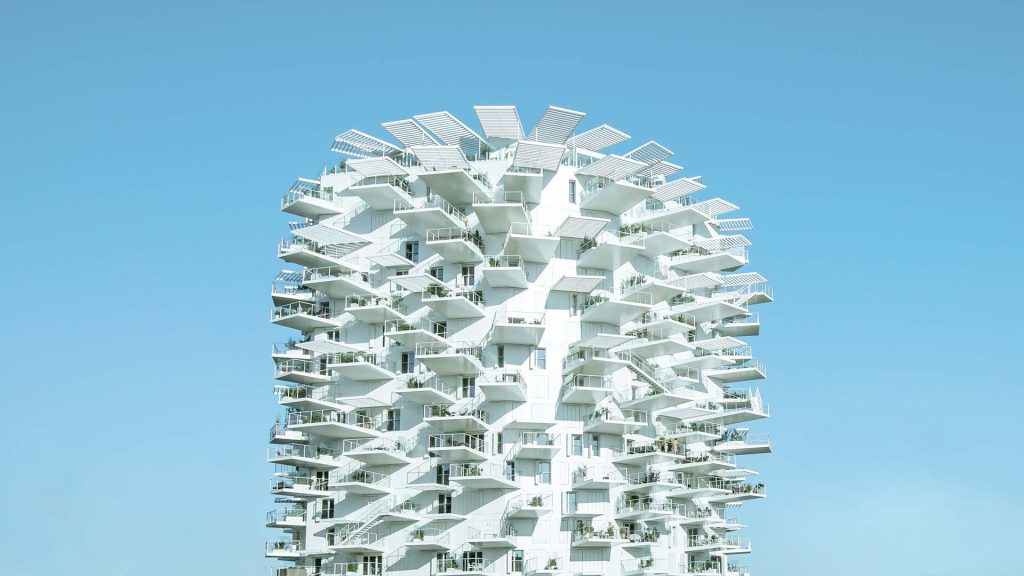
L'Arbre Blanc — Montpellier
Inspired by a tree, this tower is recognizable by its balconies that extend outwards like branches. The result is a building that seems to move with the wind and change with the light of day. Beyond its visual appeal, the design seeks to connect residents with their surroundings and remind us that architecture can also engage in a dialogue with nature.
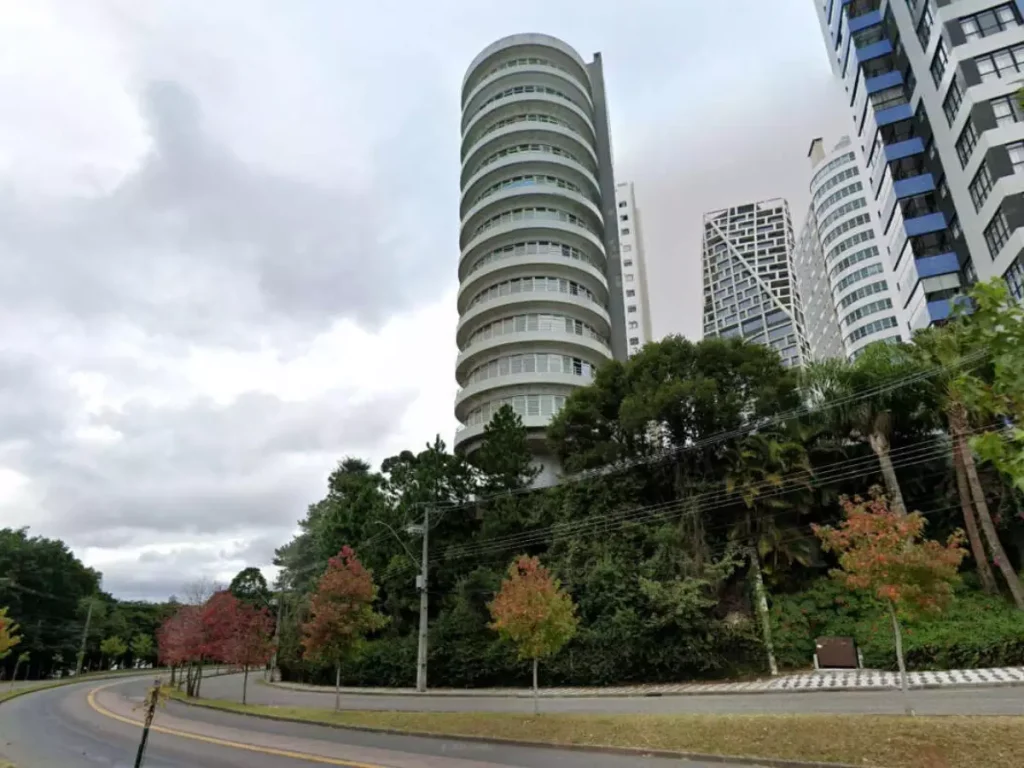
Vollard Suite — Curitiba
If you've ever dreamed of changing the view from your home without moving, this building makes it possible. Each floor can rotate 360 degrees independently, allowing you to adjust the apartment's orientation depending on the time of day. Completed in 2001, the tower pioneered what's known as dynamic architecture and still impresses today with its futuristic concept.
Looking at these projects leaves one with a clear impression: residential architecture is no longer content with simply being functional. Increasingly, buildings seek to tell stories, create identity, and transform the urban landscape. In a world where cities compete to attract talent and investment, these works remind us that design can also be a powerful magnet.
And then the inevitable question arises—perfect for a leisurely Saturday or Sunday—: if you had the chance… would you move to one of them?
Recommended readings: