


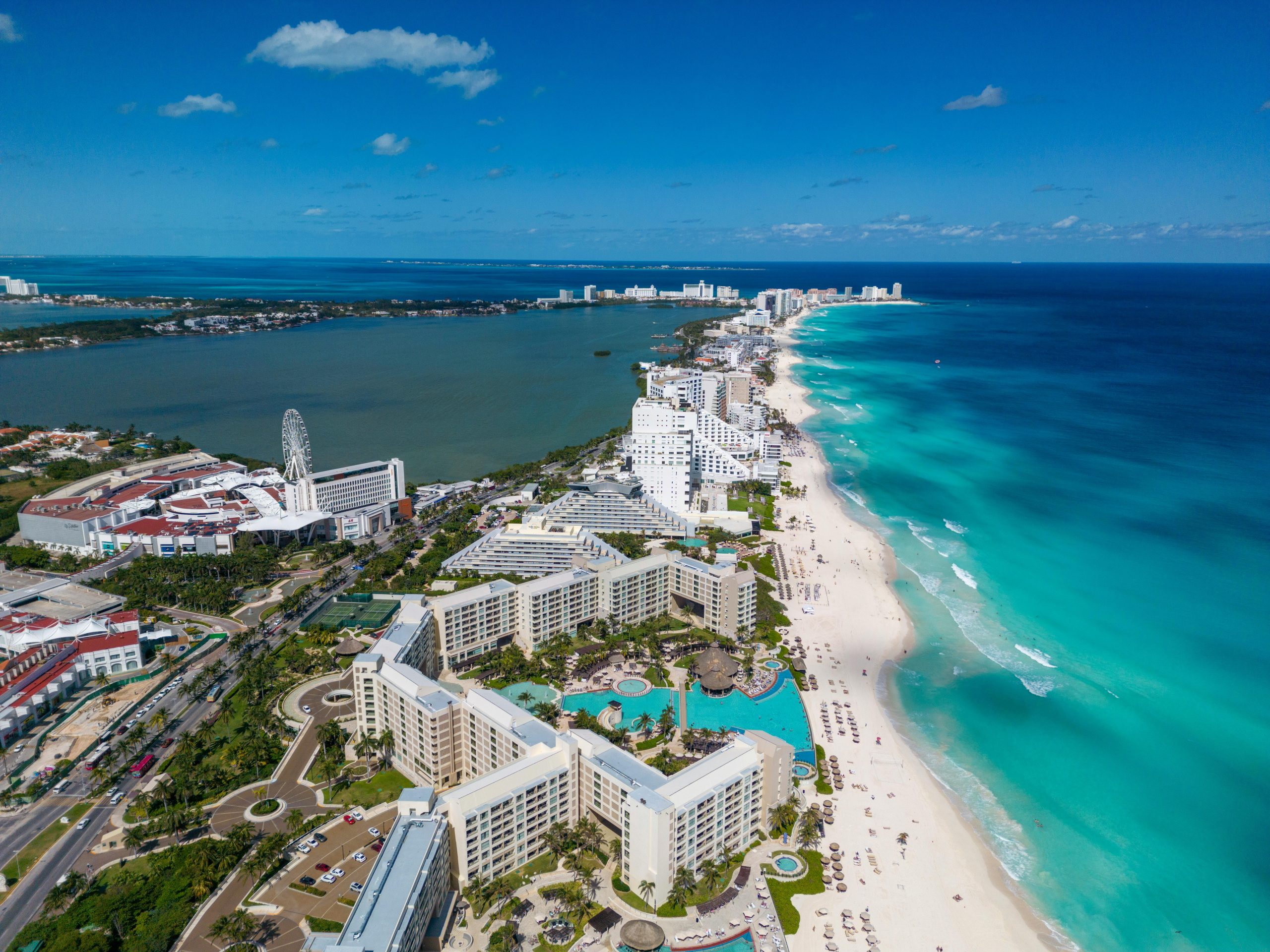
The dynamism of visitor flow and tourist spending keeps the sector among the main generators of foreign exchange, in a more stable expansion phase, according to the IPM
SANTO DOMINGO. – The Monthly Indicator of Economic Activity (IMAE) published in April by the Central Bank reveals that Dominican tourism maintained a sustained expansion rate of 9.6% in March 2026 in the activity of hotels, bars and restaurants, which continues to be among those with the greatest impact on the year-on-year growth of 5.1% registered in that month.
In the first quarter, the sector's contribution is part of the 4.1% growth of the economy, reflecting the continuation of its favorable performance.
The Central Bank's press releases state that this behavior is due to the sustained flow of non-resident visitors, the increase in tourist spending and high levels of hotel occupancy, variables that directly affect the added value of the activity.
The Monetary Policy Report (MPR) adds that tourism continues to be one of the main generators of foreign exchange, with effects on the current account and external stability.
Unlike other cyclical sectors, the recent evolution of tourism is not due to a one-off rebound, but to a more stable growth pattern, supported by the expansion of hotel supply, foreign direct investment oriented to the sector and the recovery of source markets, according to the IPM.
This behavior has allowed for the strengthening, in terms of robustness, of the operational base of tourism within the economy.
The IMAE series confirms that hotels, bars and restaurants have consistently maintained positive year-on-year variations in recent months, demonstrating the persistence of sectoral dynamism in the first quarter of 2026.
This performance translates into a sustained contribution to the growth of the gross domestic product, as well as the generation of income in foreign currency, according to reports from the Central Bank.
Analysis of the last three years reveals a distinct trajectory. In 2023, tourism operated at high levels following the post-pandemic recovery, although growth rates moderated compared to the rebound observed in previous years, according to the IMAE (Monthly Index of Economic Activity). The IPM (Monthly Tourism Index) for that period indicates that activity stabilized at a high base, with less volatility in visitor flows.
During 2024, the sector showed sustained expansion, with continuous year-on-year increases in hotel, bar, and restaurant activity, supported by the diversification of source markets and improved air connectivity, according to the Central Bank. In this context, tourism reinforced its role as a source of foreign exchange and a pillar of the external sector.
By 2025, sector reports indicate this trend will continue, with tourism making a significant contribution to economic growth. The Central Bank highlights that activity remained positive, supported by increased average visitor spending and expanded hotel capacity, factors that impact the sector's added value.
The results observed in March 2026 confirm the continuation of this trend within a phase of greater stability. Tourism not only maintains its impact on economic growth, but does so on firmer foundations, linked to investment, external demand, and installed capacity—elements that the Central Bank identifies as key determinants in its reports.
The data presented by the Central Bank of the IMAE, the Monetary Policy Report, allows us to establish a clear sequence: a stabilization in 2023 after the post-pandemic recovery, a sustained expansion in 2024, continued growth in 2025 and a start to 2026 with high levels of activity.
This journey confirms tourism's ability to sustain growth and generate foreign exchange, although its performance continues to be conditioned by external factors, including the evolution of the international economy and the demand from the main source markets, as the monetary authority warns.
Recommended readings:







