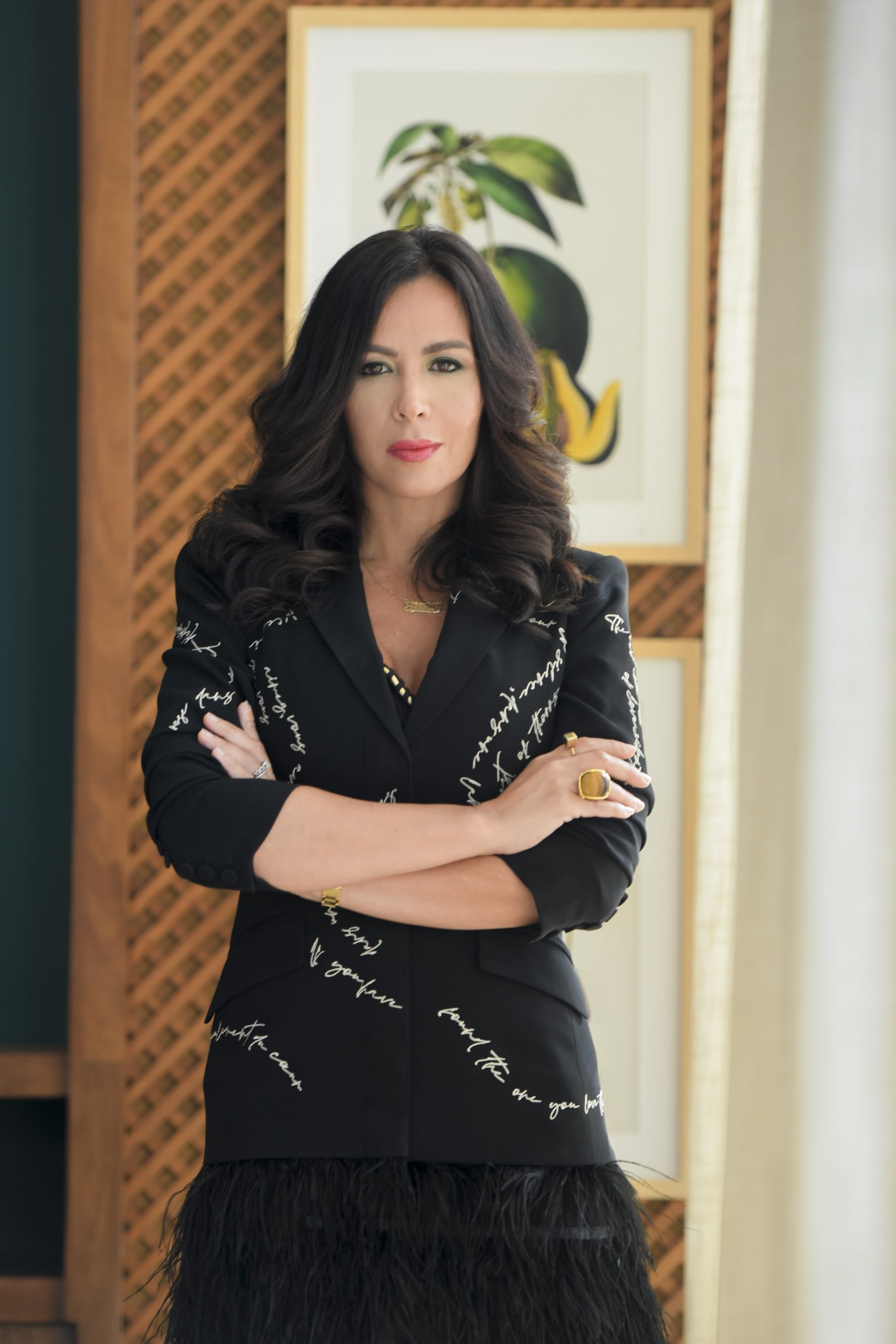
By Yermys Peña
Special for El Inmobiliario
In the business world, slowing down is not an option. At least, that's what the system dictates. From day one, the narrative is clear: you have to move forward, scale, produce, sustain. Quarterly targets, profitability projections, market pressure, and internal expectations become the natural rhythm of daily life.
But there is a hidden price that does not appear in the financial statements: the emotional health of the entrepreneur.
Many leaders wake up with their minds on high alert and go to bed with exhausted bodies, but with their minds racing, constantly ruminating on "what ifs?" What if something goes wrong? What if it doesn't sell? What if I lose momentum?
The problem isn't working intensely. The problem is not knowing when to stop. Not being able to do so without feeling guilty. Without feeling like you're betraying the image of the "tireless leader.".
And that's where the real toll begins. The one that isn't paid on paper, but impacts every aspect of life: irritability, lack of focus, emotional disconnection, insomnia. Personal relationships suffer. The body sends out signals. But the system keeps pushing. Because stopping, apparently, is for the weak.
I've spoken with admirable businesspeople, leaders of large organizations, who are physically and financially stable… but emotionally broken. Some have lost touch with their own needs; others can't remember the last time they felt at peace. Fatigue becomes normalized. It hides behind platitudes like, "That's just how the game is," "Success has its price," "I'll rest later.".
Then when?
When the body gets sick?
When the mind freezes in a crucial meeting?
When the family no longer recognizes the human being behind the role?
In a culture that glorifies sustained performance, resilience has been confused with resistance. But resisting without emotional regulation is not strength, it's chronic exhaustion. And everything that is sustained without care... eventually breaks.
It's not about retreating to the mountains or meditating under a tree. It's about something much more urgent and less exotic: leaders needing to learn to manage their own energy, not just their companies'.
Because a fractured leader ends up building organizations that, sooner or later, reflect that fracture.
In an increasingly volatile world, true luxury isn't about having more. It's about being able to stay calm when everything is in flux. It's about being present. Thinking clearly. Connecting with coherence. Maintaining balance among the dimensions of well-being: health, work, family life, social life, and personal space. Because when one is out of balance, the others are affected as well. And this kind of balance can't be delegated or automated: it's cultivated with intention, attention, and consistency.
The question is no longer whether you can keep going. The real question is:
Can you stop without feeling like you're falling apart?
Because if you can't… maybe you're not leading. Maybe you're just surviving.
The author is an architect and construction entrepreneur. Member of the Forbes Business Council.