


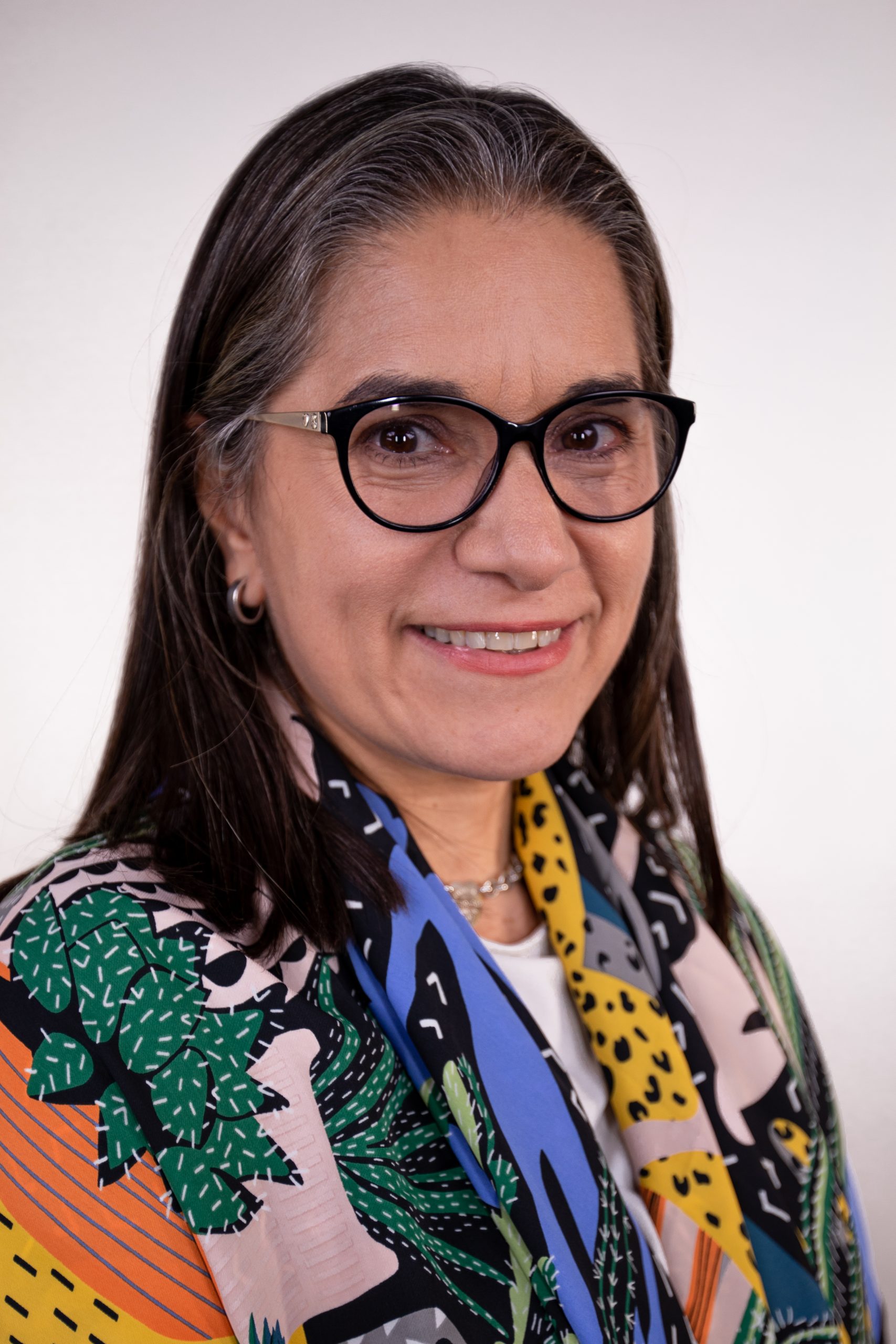
Ana María Díaz
UNDP Resident Representative in the Dominican Republic
June 1st marks the start of the Atlantic hurricane season, and this year, Colorado State University predicts it will be more intense than the average of recent decades. Climate patterns are changing rapidly, and our region, with all its natural and cultural capital—and also its acute vulnerability and risk factors—faces unique challenges in the face of such events. With the start of this season comes a new opportunity to strengthen our capacity for prevention, preparedness, and recovery toward resilience.
Climate change has intensified weather phenomena, making cyclones more frequent, more intense, and faster-developing. According to the World Meteorological Organization, between 1970 and 2021, 11,778 weather-related disasters occurred, causing 2 million deaths. Of these, 90% occurred in developing countries.
Furthermore, these disasters resulted in $4.3 trillion in global economic losses. And, although more than 60% of the losses occurred in developed economies, they represented less than 0.1% of those countries' gross domestic product (GDP). In contrast, in developing countries, 7% of the disasters that caused economic losses had an impact equivalent to more than 5% of GDP.
This highlights how climate change increases threats to sustainable development, demanding that we shift from a reactive to a proactive and forward-looking approach for the region. It is no longer enough to respond to emergencies; we must anticipate them.
At UNDP, we are fully committed to this paradigm shift and have made proactive action one of our top priorities. We work with governments and communities to develop robust early warning systems, effective contingency plans, and innovative financing mechanisms that enable action before disasters strike. However, we must acknowledge that much remains to be done: we know the task ahead is extensive and requires more determined collective efforts.
Recovery doesn't begin after a disaster; it begins long before. Effective recovery requires advance planning, robust damage assessment systems, agile financing mechanisms, and effective monitoring, evaluation, and communication systems with the population.
But above all, recovery requires an approach that goes beyond physical reconstruction, one that prioritizes people's needs, particularly the reactivation of their livelihoods, public services, and social fabric. Because true recovery involves transformation: transforming vulnerabilities into resilience, challenges into opportunities, and fragile systems into robust and adaptable ones.
In this regard, UNDP has been supporting countries in the region to strengthen the management of recovery processes and to redirect development dynamics toward resilience. Our goal is to work with countries to ensure that these processes are inclusive, sustainable, and sensitive to the diverse needs of affected populations, especially the most vulnerable.
That is why we are so honored to join the Dominican Republic, and the entire region, in the First Regional Coordination Meeting for the 2025 Hurricane Season in Central America and the Dominican Republic, which was held last week and brought together 22 countries in Santo Domingo. We also recognize the country for assuming the Pro Tempore Presidency of the Coordination Center for Disaster Prevention in Central America and the Dominican Republic (CEPREDENAC) and join in the call for coordinated action.
UNDP reaffirms its commitment to supporting these efforts through programs and projects across the region. We are convinced that only through a coordinated and integrated approach can we build the resilience our communities need and deserve.
Let us build together a path towards a stronger, fairer and more resilient region, leaving no one behind.







