


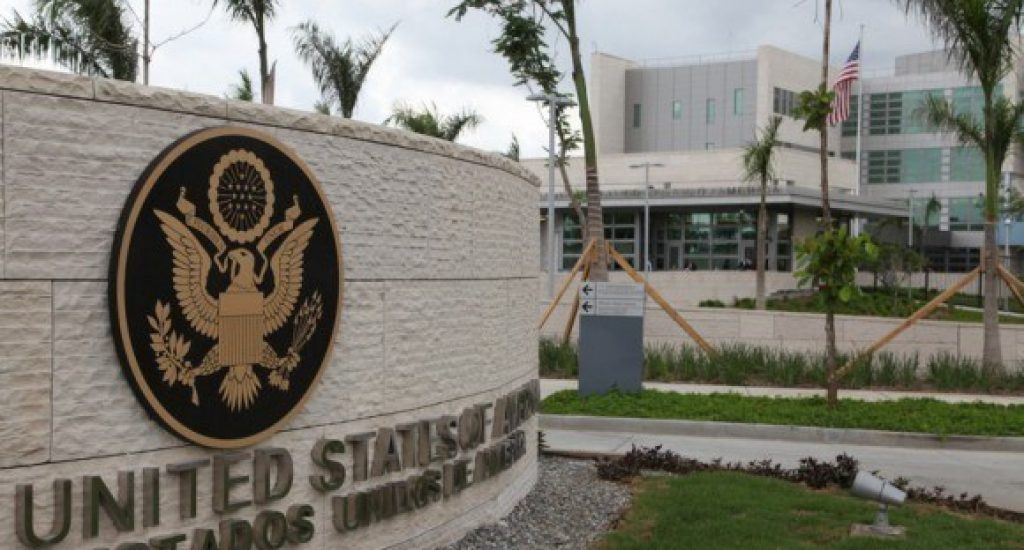
SANTO DOMINGO – The U.S. Embassy in the Dominican Republic reported that consular officers have more information than many applicants realize when evaluating visa applications, and reiterated the importance of answering with complete honesty during the process.
The warning was published in the "Ask the Consul" column, which explains that each application undergoes a thorough vetting process before being approved or rejected. According to the publication, officials review immigration history, records of previous stays in the United States, and any arrests or convictions that may appear in applicants' records.
In this regard, the diplomatic mission indicated that providing incomplete or incorrect information can cause delays in the process and even affect the final outcome of the application. Therefore, it advises applicants to accurately declare all data related to their immigration and legal history.
The column also notes that the visa review system includes various verification tools that allow consular officers to compare the information submitted by applicants with official records available in different databases.
It is also emphasized that transparency is a key element for the process to move forward more efficiently. In particular, the importance of correctly completing forms such as the DS-260, used for immigrant visa and permanent residency applications, and the I-130, a document through which a U.S. citizen or permanent resident formally requests residency for a family member, is mentioned.
“Transparency is not just a legal requirement, it’s a necessity. Full disclosure helps your case move faster and reduces the likelihood of delays,” the column explains.
According to the published information, providing truthful information during the consular interview and on official forms makes it easier for officials to properly evaluate the case and helps preserve the integrity of the immigration system.
Finally, the column reminds readers that answering consular officers' questions honestly not only avoids complications during the process, but also helps ensure that each application is evaluated fairly.
Recommended readings:







