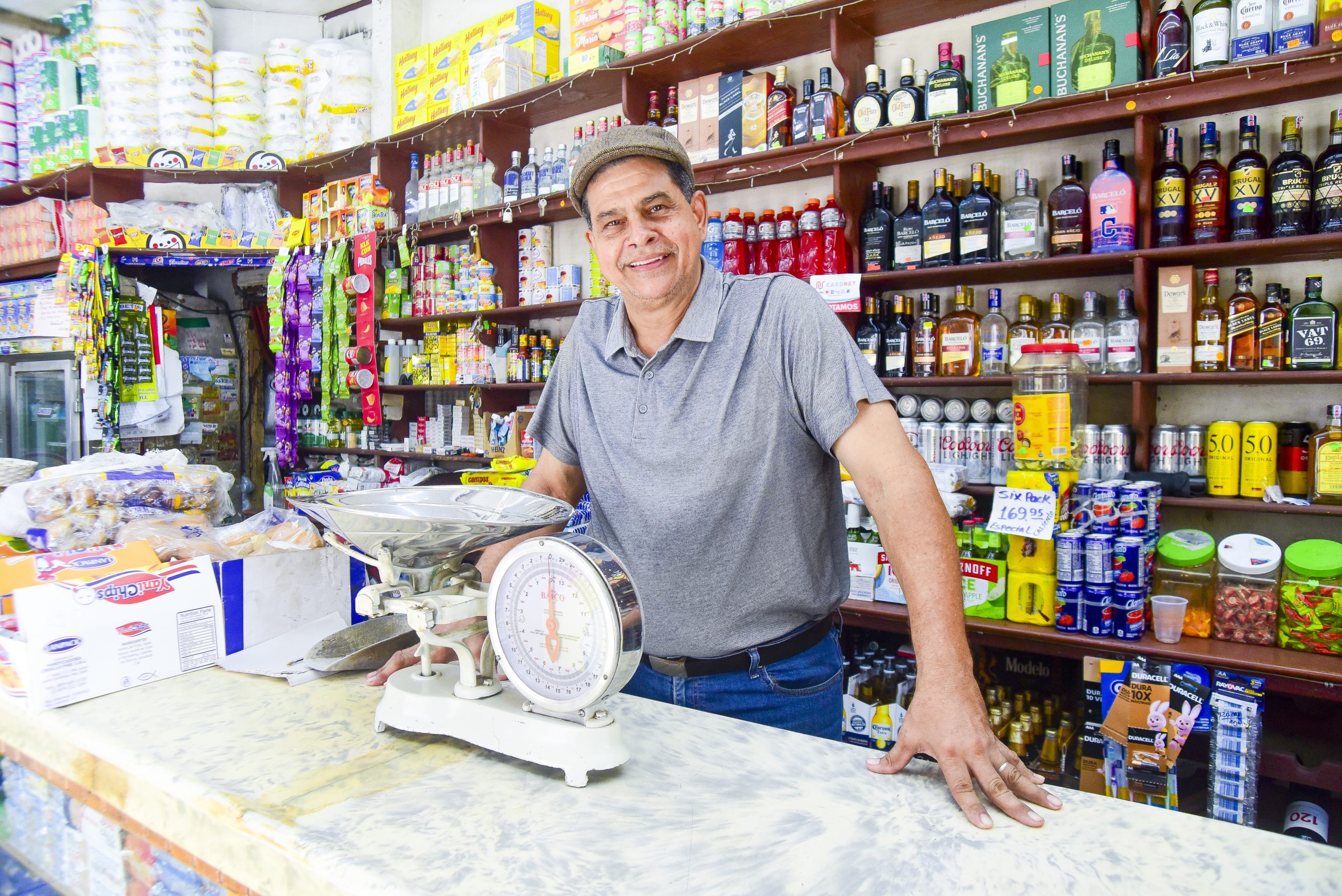
SANTO DOMINGO.- I remember my maternal grandfather Polo's general store, there in the once fierce and fertile city of my childhood, Moca, in the Espaillat province, Dominican Republic.
His business was located in the Puerto Rico neighborhood. A narrow shop with a wooden frame and zinc roof, always smelling of fresh honey and beans just put out for sale. A small, well-stocked grocery store in the early 1970s, with everything necessary to survive in the context of "solemn poverty," as Gabo, the great Colombian writer Gabriel García Márquez, proclaimed in his work and life.
It was located in Moca near the market and the seedy brothels and pool halls. It offered large barrels of honey with hundreds of queen bees hovering around the containers and stinging anyone who let them; sacks of rice and red and black beans; and artisanal sweets on the counter – coconut, milk, unrefined cane sugar, cashew, starfruit, and bienmesabe (a type of almond cake) au gratin with a crown of hard, dry, multicolored, and tasty meringues.
To the most trusted members of the community who needed a pound of rice, he would sell it on credit -fiao- whose accounts did not exceed 100 pesos, an astronomical amount for the time.
Where did the pulperías (small grocery stores) in the Dominican Republic come from?
In the mid-16th century, at the height of the Spanish colonies in Latin America and the Caribbean, the pulperías emerged, a term derived from the Quechua word pulpería, related to a variety of goods. They were the quintessential suppliers of essential items and accessories for daily life—"the town store."
In Mexico, the term "pulpería" originated from the sale of an alcoholic beverage called pulque, made from the fermented sap of the maguey plant. It is traditional in the central part of the country, where it has been produced for millennia.
During the 19th century, especially in towns and rural areas, general stores became economic and social centers , often operating out of private homes with a makeshift counter, sometimes made of wood, cardboard, or other materials. They were places for social interaction: people played dominoes and discussed politics; sometimes they even served as a community news outlet, where the latest gossip and news were shared and discussed.
In my grandfather Polo's time, his general store was stocked with home remedies made from plants like tua tua and guayacán wood. Do you remember the brown tallow candles? They lit up the days and nights. There were also pictures of saints, gladioli for funerals, and potions for aches and pains.
They were the social center for the poorer classes of the town. There, the "neighborhood eccentrics" gathered, along with the drunks with the most outrageous tales, the most mischievous and witty, the cockfighters returning from their fights, the dice and card players, and the forerunners of the gambling swindlers, where they drank swigs of Palo Viejo rum from short glasses, like swigs from a bottle.
Transition
From the first half of the 20th century, pulperías began to transform into colmados, which offered a more organized service, with a wider selection and better control. The term "colmado" gradually replaced " pulpería," although in some towns it is still preserved in oral tradition.
Unlike the pulperías, the colmados became established as more formal family businesses, with shelves, scales, and packaged products.
A 2024 study by Emevenca revealed that there are more than 65,000 colmados in the country
The corner stores, once bucolic and romantic, have transformed into the "bars" of communities, neighborhoods, provinces, and towns, characterized by loud music that disturbs the peace of their neighbors. Now, the corner store is a place to drink, fall in love, and stock up on the bare necessities: drinking water, a few empanadas for breakfast, or something to replenish the pantry until the next trip to the supermarket.
They represent a symbol of Dominican popular commerce, which today remains central to neighborhood and rural life.