


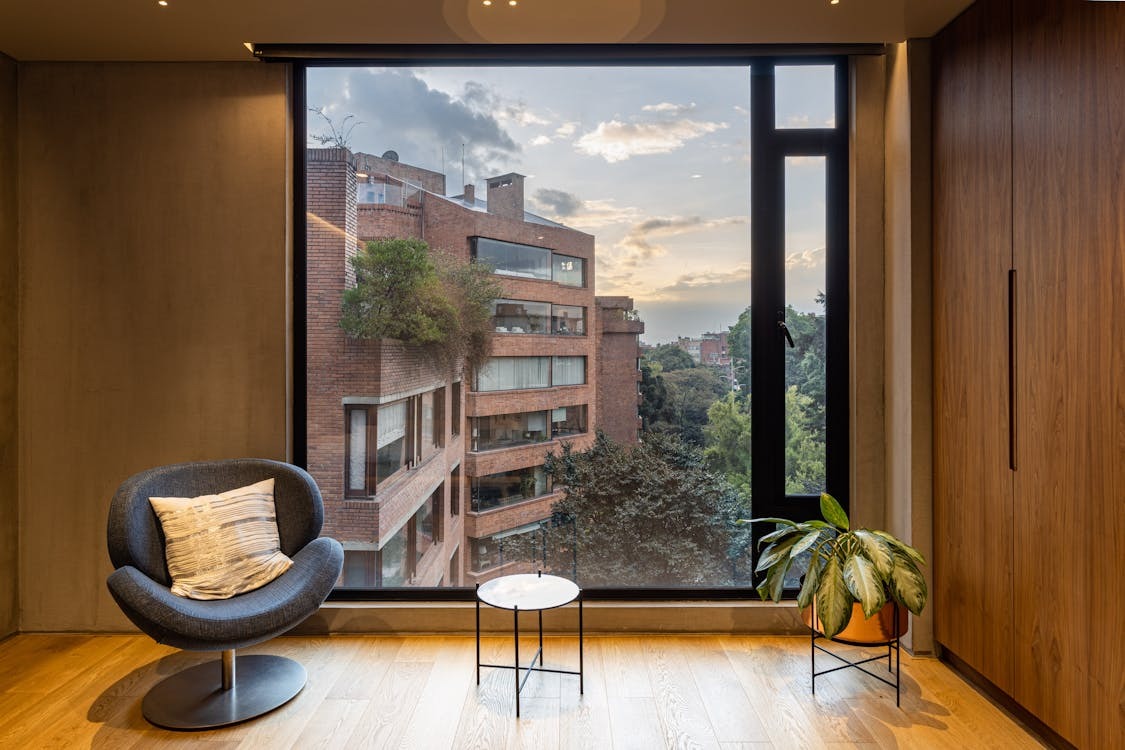
When a city is designed without considering comfort, well-being ceases to be an individual choice and becomes a structural limitation. In that context, sleeping well depends not only on habits, but also on the physical conditions that architecture and urban planning allow or deny.
SANTO DOMINGO – In the Dominican Republic, well-being has not been an explicit category within architectural discourse. However, variables that today define what is called “architecture of rest”—ventilation, shade, and thermal control—have been historically present as a response to the climate.
The difference is that this knowledge has not been translated into a conceptual framework or verifiable standards.
If sleep sustains health, then the space that contains it—the home, the building, the city—is part of that same infrastructure. Designing without considering rest is not just a technical error; it's an omission that directly impacts human well-being.
And it's important because rest isn't a luxury or a subjective state; it's a biological function that depends on the physical environment. When architecture and the city don't create adequate conditions, the impact isn't limited to discomfort; it translates into cognitive decline, chronic stress, and a reduced capacity for bodily recovery.
Neuroscientist Matthew Walker, a professor at the University of California, sums it up clearly in his book Why We Sleep: “Sleep is the most effective life support system we have.”.
Walker documents that sleep quality directly impacts memory and learning, emotional regulation, the immune system, and the risk of cardiovascular disease. When this evidence is cross-referenced with the built environment, the conclusion is that any flaw in the design of spaces that affects sleep is, in practice, a failure of public health.
This is where architecture ceases to be merely an aesthetic issue. Bedroom temperature, noise levels, ventilation, and exposure to artificial light are not details; they are variables that can enhance or degrade this "life support system.".
In urban areas
Architect Omar Rancier has been one of the few to address the issue from a structural perspective in various forums, including articles, interviews, and participation in forums, warning that Dominican urban growth lacks a comprehensive vision, as it is primarily driven by economic interests rather than by habitability conditions.
Rancier says that this omission, which includes variables such as drainage, services and territorial planning, has a direct impact on the quality of life and, by extension, on the very possibility of rest, and has questioned the reproduction of construction models foreign to the local climatic context, warning about their impact on energy consumption and habitability.
“We cannot continue to build buildings that consume large amounts of energy just to appear modern,” the urban planner stated in an interview, and although he does not use the term well-being, his approach points directly to the conditions that make it possible: thermal comfort, passive efficiency, and quality of living space.
Space as a way of inhabiting
From a cultural perspective, the architect and historian Gustavo Luis Moré has developed a line of thought on architecture as experience. In his editorial work leading the journal Archivos de Arquitectura Antillana, especially in its editions of the last decade, he has argued that built space is not limited to its function, but rather shapes a way of living and perceiving the environment.
Although it is a theoretical line scattered across multiple essays and editorials, its contribution is key: it introduces the sensory dimension of dwelling as part of architectural analysis in the Caribbean.
Comfort as a spatial construct
In the field of interior design, Teófilo Cruz has emphasized creating comfortable environments. In interviews and profiles published in specialized media such as Dominican Interior Designers in the 2010s, his work is described as featuring warm, airy spaces adapted to the tropical context.
Although the approach is more design-based than theoretical, the result is consistent with contemporary principles of well-being: reduction of stimuli, thermal control, and materiality that promotes permanence.
A climate tradition without formalization
The case of Miguel Vila Luna illustrates that this relationship between architecture and comfort is not new. His work, developed in the mid-20th century, incorporated integration with the environment as a direct response to the climate, prioritizing natural ventilation, shade, and openness to the landscape.
This approach, documented in historical records of Dominican architecture and biographical reviews, remains relevant in much of contemporary tourist architecture, where environmental conditions continue to be a determining factor in design.
Between practice and absence of system
The critical point is that, unlike international standards such as the WELL Building Standard, which translate well-being into metrics, Dominican architecture operates without defined protocols in this area.
Solutions exist, but they appear in a fragmented way. Cross ventilation, solar control, and the relationship with the surroundings are decisions that depend more on the designer's judgment than on regulatory or market requirements.
More than a lack of knowledge, what the local landscape reveals is a lack of translation. Dominican architecture has, for decades, produced spaces capable of responding to the climate and promoting comfort.
But this knowledge, built from practice, has not been systematized as part of a wellness agenda, and in a context where rest becomes a scarce resource, this omission ceases to be theoretical and becomes a concrete debt of design to everyday life.
Recommended readings:







