


By Danielis Fermín,
El Inmobiliario
“There is a country in the world placed in the sun’s path,” recites the famous poem by
Pedro Mir, which, in addition to highlighting the beauty of the Dominican Republic, demonstrates the
potential that Quisqueya has to harness the benefits of photovoltaic solar energy.
Each year, the impact of climate change becomes evident with torrential rains, droughts,
extreme heat, and other phenomena, posing a significant challenge for countries.
This has forced leaders and citizens to seek alternatives to generate clean energy, which
allows for the reduction of carbon dioxide (CO₂), one of the main pollutants in
the atmosphere.
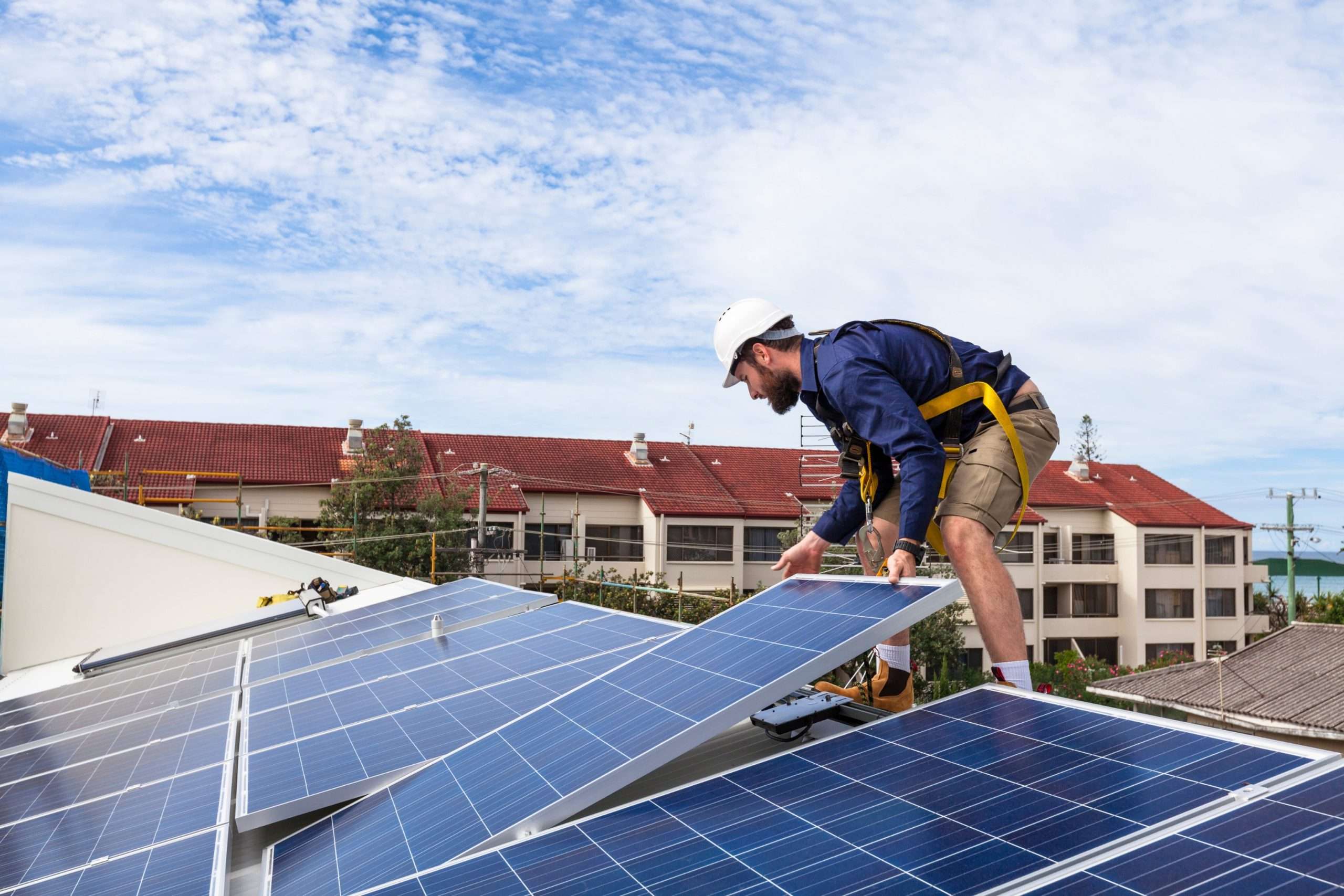
One option is the installation of solar panels, both in individual residences
and commercial premises. According to Carolina Acosta, architect and director of Caz
Vida Ecosostenible, the main environmental benefits of integrating them into properties
lie in the reduction of CO₂ emissions and other greenhouse gases. “Energy
comes from the sun, which is an inexhaustible energy source.”
The Energy Generation and Management Bulletin, prepared by the Ministry of Energy and Mines,
corresponding to April 2024, highlights that 12% of the installed capacity in the
National Interconnected Electric System (SENI) corresponds to solar energy.

Yomayra Martinó. (External source).
Yomayra Martinó, founder and leading consultant of GreEnergy Dominicana, highlighted that the
implementation of solar panels allows for "discouraging the use of
fossil fuels."
He specified that in the country solar energy is an "option", because an
incentive regime for its installation has been created by the State and there are banking entities that have
financing for those interested in changing their energy matrix.
For his part, Acosta indicated that one of the benefits is the reduction in electricity bills.
He also mentioned “the tax incentives in accordance with Law 57-07 on incentives for the development of
renewable energy sources and their special regimes.”

According to Acosta, some of the challenges include the initial investment, access to quick financing, and the
return on investment. He also noted that “the lack of standardized building codes for
solar panel installations makes the process difficult to clarify, and the
regulations and requirements for grid connection can vary significantly between
different jurisdictions.”
Facility
Martinó urged people to consider factors such as solar radiation, the property's location,
available space, the roof, and, if it's a condominium, having the necessary permits.
He encouraged them to obtain several quotes from certified companies and explore the
financial instruments offered by banks to choose the best
option.
The director of Vida Caz Ecosostenible, for her part, recommended that developers
interested in integrating sustainable practices into their construction projects study their
target audience and consider the value that homeowners place on sustainability.
She asserted that implementing solar energy can be “the beginning of a path toward
transformation, innovation, and development for our cities, and that each project can be
that small contribution that leaves its legacy.”
Originally published in the print edition of El Inmobiliario .







