


The tourism sector is analyzing how to leverage the opening of Port Samaná to amplify the economic impact of arrivals and encourage passengers to return to the destination
SANTO DOMINGO.-The growth of cruise ship activity in Samaná presents a new challenge for the tourism sector: ensuring that the increase in the arrival of ships and passengers translates into more jobs, businesses, consumption and longer stays in the province.
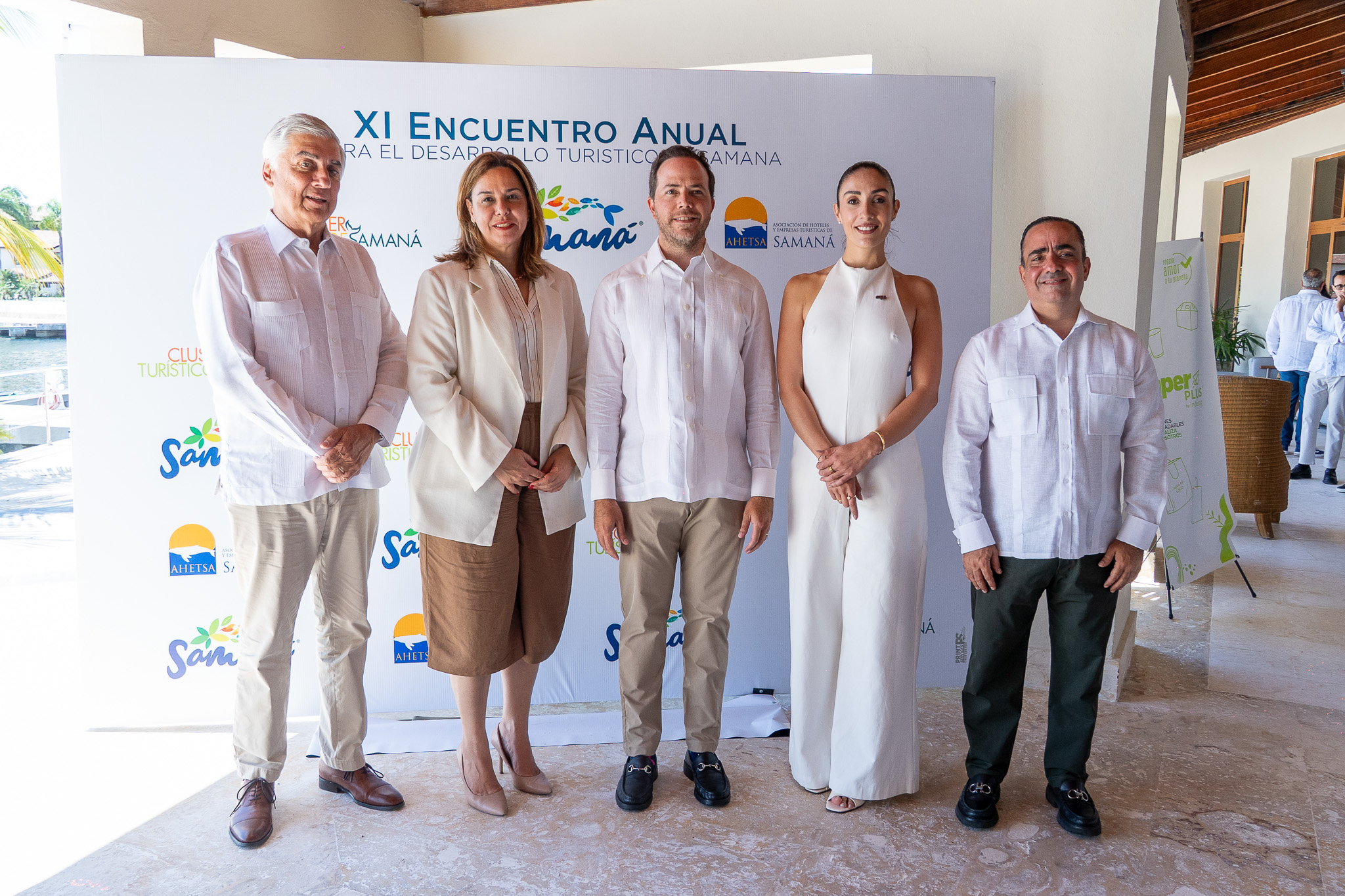
That was one of the main topics discussed during the XI Annual Meeting for Tourism Development in Samaná, held in Puerto Bahía, a few weeks before the opening of a new cruise terminal in Arroyo Barril.
Destination management specialists, representatives of the port industry and businesspeople analyzed the opportunities generated by the expansion of this segment and the necessary conditions for the benefits to reach restaurants, guides, transporters, shops, artisans and entrepreneurs.
The meeting was organized by the Samaná Tourism Cluster (CTS) and the Association of Hotels and Tourism Companies of Samaná (AHETSA), with the support of the Ministry of Tourism (MITUR), under the motto "Samaná, Sailing Towards a New Era".
They want the impact to go beyond the ports
During the opening, Javier Lara Reinhold, president of the CTS, stated that the start of operations at Samaná Bayport and the upcoming opening of Port Samaná place the province in a stage of new possibilities, but also in the need to ensure that growth generates concrete benefits in the local economy.
Lara explained that the visitor experience is not limited to the port facilities, but is built in the streets, beaches, restaurants, excursions, cultural spaces and in contact with the population.
In that sense, he stated that the challenge is to turn a stopover of a few hours into a longer relationship with the visitor and to ensure that each arrival generates greater participation from the different sectors that make up the tourism chain.
“Ports are the gateway. Samaná is the experience,” Lara said.
The president of the CTS also pointed out that growth must be accompanied by quality, order, security, training and environmental protection, in order to preserve the attributes that distinguish the province.
AHETSA proposes measuring success beyond the number of ships
Abelardo Melgen Acra, president of AHETSA, argued that the increase in arrivals must be reflected in concrete results for the local economy and be accompanied by better preparation of services related to the activity.
“Samaná is facing an extraordinary opportunity. Its success should not be measured solely by the number of ships that arrive, but by how many of those visitors find reasons to return and stay longer,” he noted.
Three perspectives on the future of tourism in Samaná
The presentations at the meeting addressed the development of the province from three angles: coordination among local actors, the possibility of turning a first visit into a reason to return, and the potential offered by the new port infrastructure.
Birgitt Heinsen, Corporate Social Responsibility Director of Ocean World Adventure Park & Marina and president of the Puerto Plata Tourism Cluster, presented the paper “When collaboration becomes strategy: the Puerto Plata experience”.
During her speech, she addressed coordination between the public, private and community sectors as a tool to strengthen the tourism offer and jointly take advantage of the opportunities generated by the growth of the sector.
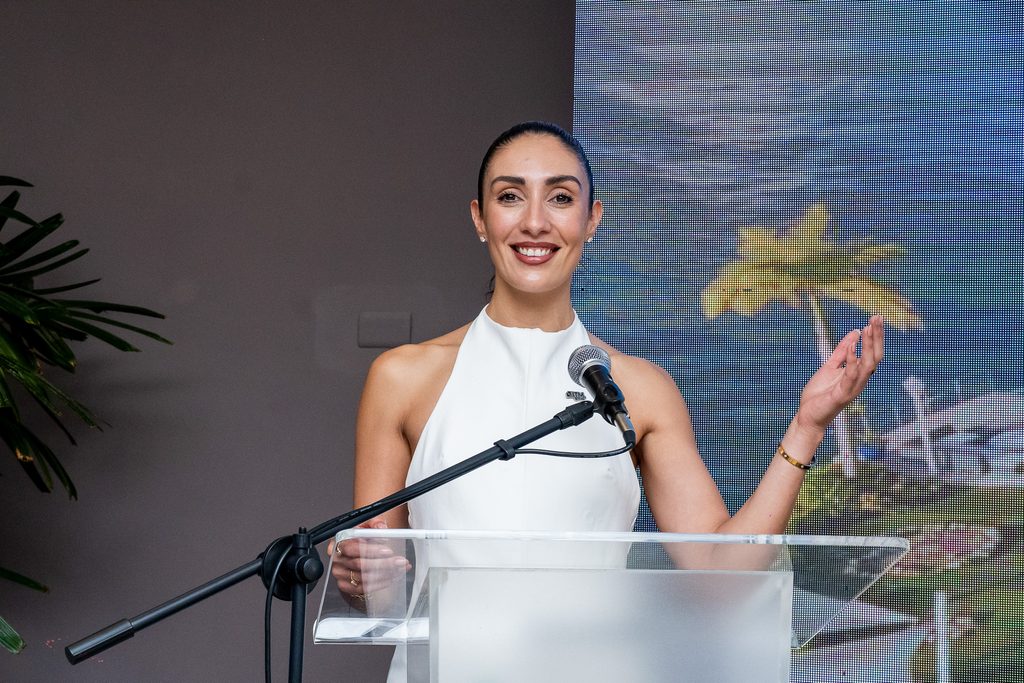
Subsequently, Fernanda Tovar Galindo, Revenue Management Director of ITM Group, presented “Port Samaná: where the new story of Arroyo Barril begins”.
Port Samaná projects 450,000 passengers by 2028
Tovar detailed the main aspects of the project, whose opening is scheduled for November 24, 2026, and which will have the capacity to simultaneously receive two Oasis-class cruise ships.
The projections presented foresee the arrival of 10,000 passengers in 2026, 220,000 in 2027 and 450,000 in 2028.
The executive also indicated that an economic impact of between US$100 and US$120 per cruise passenger is estimated, in addition to the generation of 1,000 direct and 2,500 indirect jobs.
They propose turning cruise passengers into future guests
From Puerto Vallarta, Mexico, Juan Manuel Santana, Destination Management Expert and CEO of Maixal, Culinary Culture in Motion, participated through an audiovisual presentation entitled “From the dock to the plane: how to turn a first visit into a reason to return.”.
Santana suggested that cruise ship visitors should not be seen merely as passengers who stay for a few hours in the country, but as potential guests.
As a reference, he presented the model developed in Puerto Vallarta, where hotels, guides, taxi drivers and other members of the tourism chain work under a common approach to encourage the return of visitors.
Based on that experience, he proposed implementing a pilot program called Back to Samaná, designed to have the terminal, excursions, restaurants, transportation, and hotels work together to encourage travelers to return and stay longer.
The initiative includes measuring indicators such as inquiries, bookings, stays, and spending associated with new visits.
The challenge is to transform scale into economic activity
The presentations agreed that the potential of cruise tourism does not depend solely on the number of ships or passengers arriving in the province.
Participants noted that the challenge lies in transforming that flow of visitors into economic activity, expanding the participation of local businesses, and prolonging the relationship with those who get to know Samaná during a stopover.
They also highlighted the importance of strengthening the preparation of those involved in the tourist experience, especially in areas such as training, service quality, organization, safety and cruise passenger care.
They announce a working group to promote new actions
Before the closure, Melgen Acra announced that he will promote a working group together with the Cluster, the authorities and the productive sectors of the province.
The goal, he explained, will be to identify initiatives that can be implemented in the destination, evaluate their results, and continue those that prove most effective.
As a summary of the vision presented during the day, he expressed: “Samaná can make you fall in love in a few hours… to truly experience it, you have to return.”.
The opening of Port Samaná is the focus of attention in the sector
With the opening of Port Samaná, the tourism sector is now focusing its attention on how to take advantage of the new port capacity to expand the offering, increase the economic impact of visits, and ensure that those arriving by cruise ship find reasons to return and stay longer in the province.
The challenge for Samaná will be to turn each stop into an opportunity for visitors to learn more about the destination, generate greater economic activity, and consider returning for a more complete experience.
Recommended readings:





