


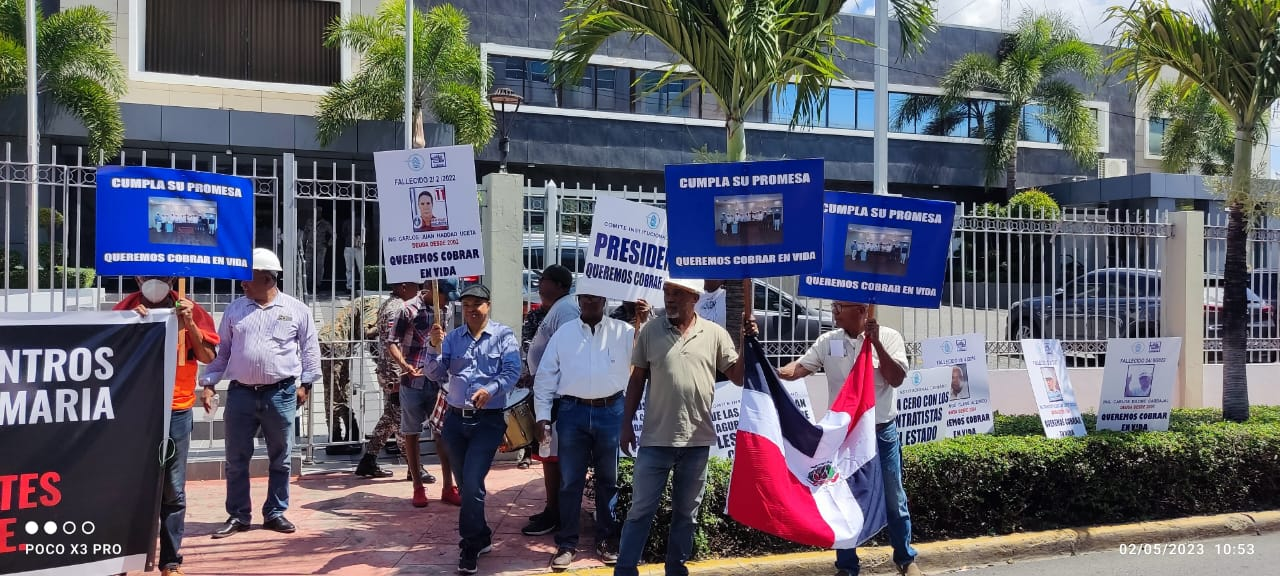
SANTO DOMINGO –The wait seems endless. The suffering continues for hundreds of engineers and small contractors in the Dominican Republic. Nearly three decades later, the situation they face remains unresolved.
These professionals have maintained a constant struggle to recover the RD$1.55 billion that the State owes them, corresponding to works contracted, executed and delivered throughout the country since 1996.
Today, they are resolutely raising their voices again to insist on their demand, calling on the Government to pay these debts that have dragged many to the brink of financial collapse.
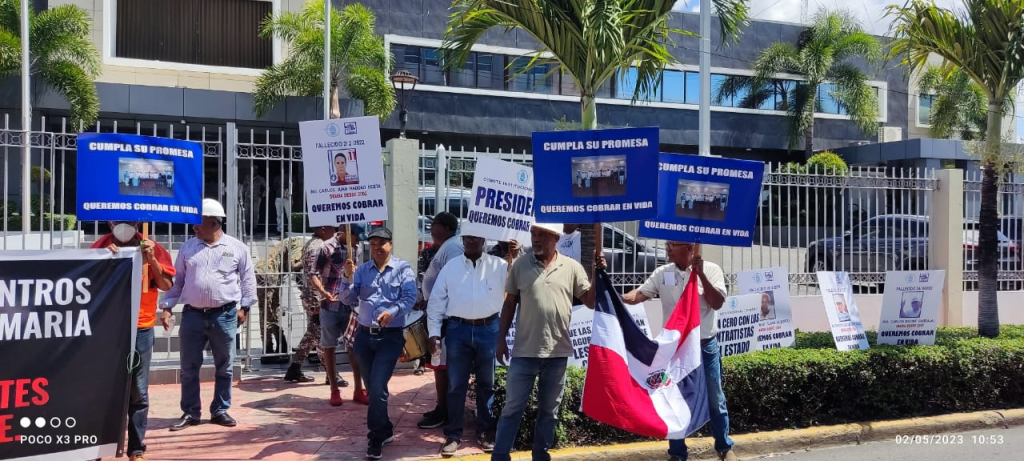
The professionals have filed numerous complaints without their cases being resolved. (External source).
The breaking point for this group of workers was the tragic death of architect David Rodríguez, which occurred almost nine years ago, who, overwhelmed by accumulated debts due to non-payments by the State, took his own life in an act of despair that shook the professional community and the country.
Following this tragedy, 302 members of the Dominican College of Engineers, Architects and Surveyors (CODIA) came together to form the Codia Institutional Committee (CIC) with the purpose of claiming the money that the State owes them.
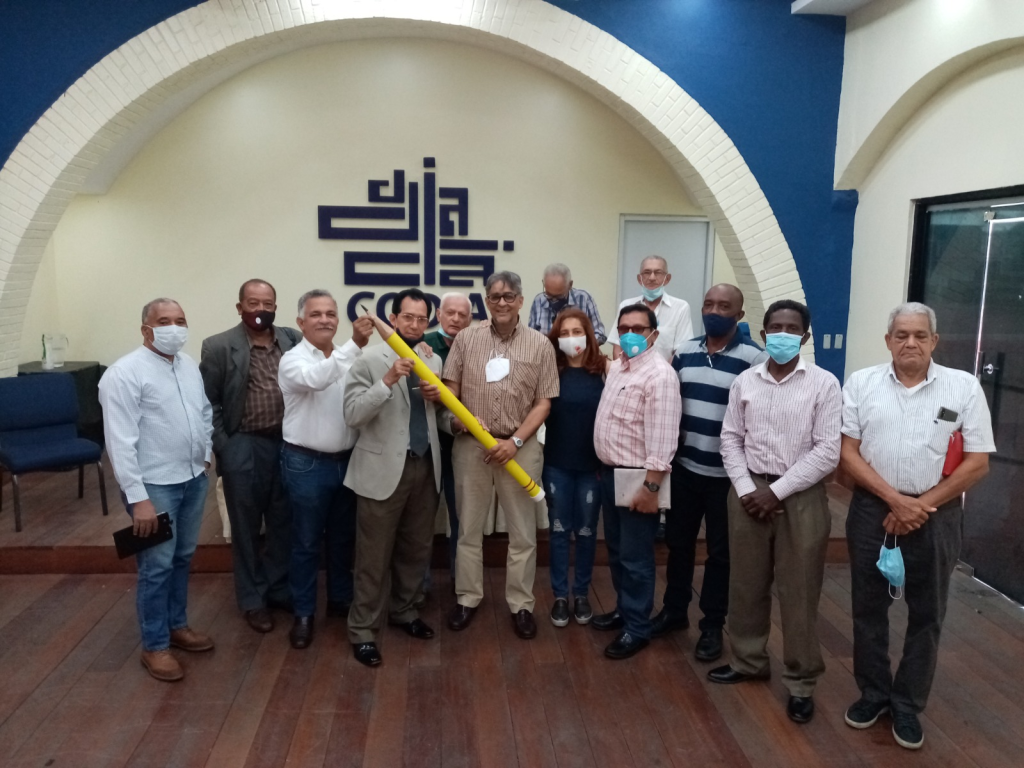
The accumulated debt includes contracts with several state institutions. (External source).
Since its formation more than eight years ago, this committee has faced a series of challenges and obstacles, with disappointing results so far.
The debt accumulated by the Government covers contracts made with various government institutions, including the Ministry of Public Works and Communications (MOPC), the Office of State Works Supervising Engineers (OISOE) and the Ministry of Education (MINERD).
On the other hand, there is the National Institute of Drinking Water and Sewerage (INAPA), the National Institute of Hydraulic Resources (INDRHI), the National Housing Institute (INVI), the Corporation of the Aqueduct and Sewerage of Santo Domingo (CAASD), among other entities.
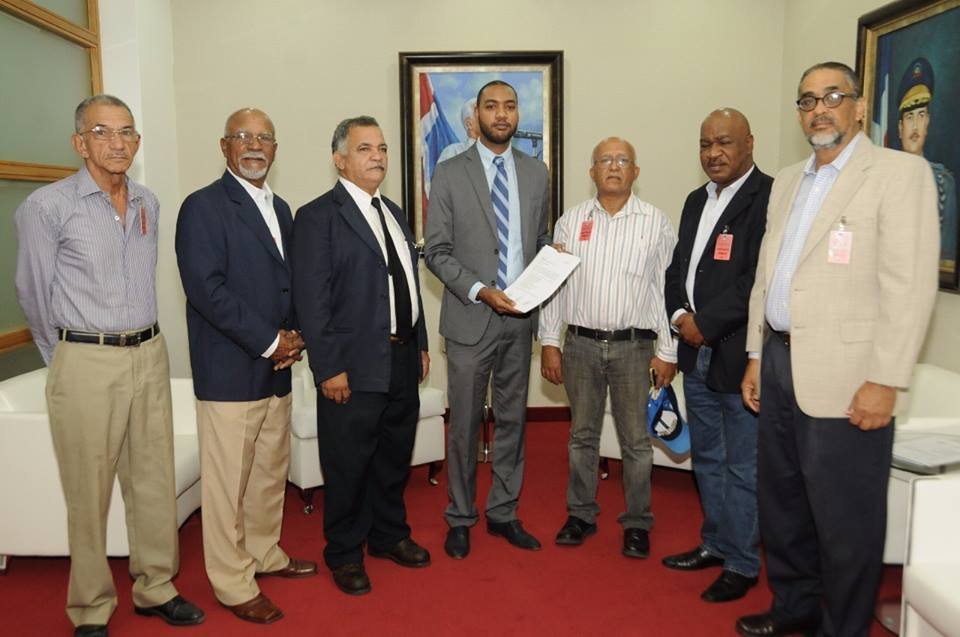
Several meetings with government representatives have not yielded results. (External source).
“We have been wronged, since in order to meet our contractual obligations to various State institutions, and to cover our commitments to workers and suppliers, we have had to invest our savings, incur bank debts, and in most cases, mortgage our homes, having to sell properties, machinery and construction equipment, trucks, vans, among others,” they explained in a letter delivered to El Inmobiliario.
Through this document, they specified that with the signing of the DR-CAFTA trade agreement, which involved the Dominican Republic, the United States and several Central American countries, the country adopted Law 340-06 to regulate the purchase of goods and the contracting of works.
The initial hope was that this legislation would promote transparency and a fair distribution of contracts. However, they found a situation in which local contractors were the only ones who benefited.
The CIC, along with the Collection Board and the Official Technical Commission, worked for six months to update the debt certifications, although some institutions, such as the Ministry of Public Works (MOPC) and the Central Electoral Board (JCE), refused to provide the updated documents.
During the 2016 and 2020 campaigns, President Luis Abinader promised to resolve the debt once in office. In October 2020, a technical commission was formed under the direction of Geanilda Vásquez Almanzar to coordinate payments, but the process stalled after the minister's duties changed. Meetings with high-ranking officials, including the president's assistant Miguel Vásquez, also proved fruitless.
Last December, a new commission was formed that proposed a transitional law for the payment of debts, but the project did not move forward, they specified.
The group of creditors, made up of engineers and contractors, now faces additional difficulties due to the inability to meet their tax obligations, which prevents them from participating in new tenders.
In their statement, the CIC representatives firmly expressed their demand that President Abinader offer an effective solution to this malicious situation.
They also stressed that in the last seven years, after the establishment of the Codiano Institutional Committee, this situation has led to the loss of fourteen colleagues in extreme economic circumstances.
Full letter







