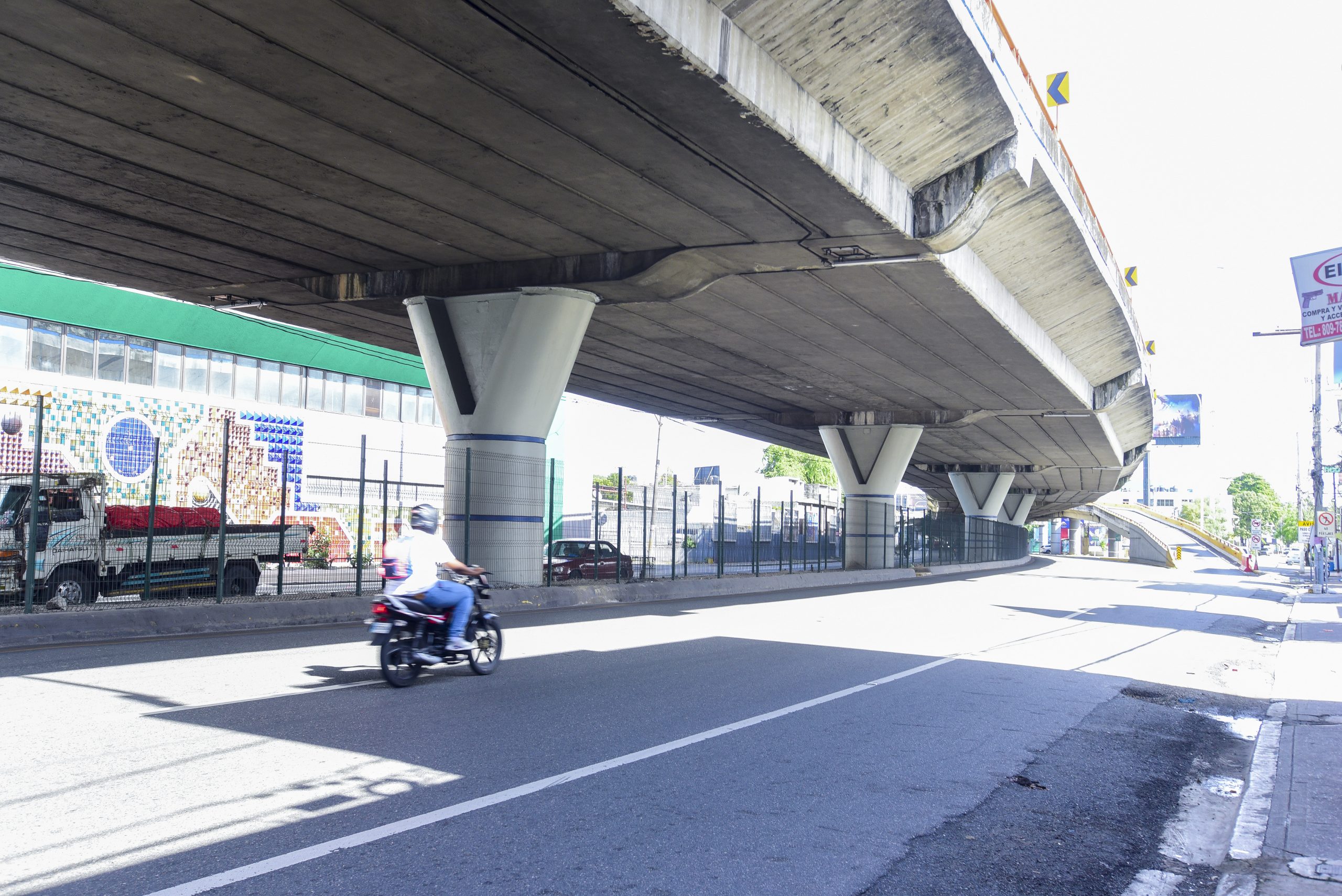
SANTO DOMINGO – Every February 27th, the Dominican Republic commemorates its National Independence, a date that lives on not only in patriotic acts and collective memory, but also in the country's urban landscape. Various cities, avenues, streets, and neighborhoods bear the name "February 27th," becoming permanent reminders of one of the most significant milestones in Dominican history.
Beyond their symbolism, these roads fulfill a structural function within the real estate, commercial, and urban development of their respective districts. They are not simply names on the map: they are economic corridors, mobility axes, and benchmarks in land value appreciation.
27 de Febrero Avenue in Santo Domingo
In the National District, 27 de Febrero Avenue is one of the most important thoroughfares in Greater Santo Domingo. It crosses the city from east to west, connecting residential, commercial, and financial sectors, and is a hub of constant real estate activity.
Along its route are corporate towers, shopping centers, vertical residential projects, and mixed-use developments that have redefined the urban landscape of the capital. Proximity to this thoroughfare typically has a direct impact on property values due to its connectivity and high traffic flow.
The 27 de Febrero avenue in the capital not only facilitates the daily commute of thousands of citizens, but has also witnessed urban expansion towards new residential areas. Office districts, private clinics, educational centers, and housing complexes have been established along its perimeter, stimulating the real estate market.
Presence in other provinces
The name “February 27th” is not limited to the capital. In cities like Santiago de los Caballeros, San Pedro de Macorís, La Romana, and Higüey, there are also streets or avenues with this name.
In many cases, these streets are located in central or strategic areas, functioning as commercial corridors where banks, shops, offices, and professional services are concentrated. In other municipalities, 27 de Febrero Street marks the boundary between traditional neighborhoods and new areas of urban expansion.
From a real estate perspective, the nomenclature associated with national holidays often coincides with historical or consolidated areas, which influences the stability of the value of properties located in their surroundings.
Symbolism that becomes direction
February 27, 1844, marked the birth of the Dominican Republic as a sovereign state. Figures such as Juan Pablo Duarte, Francisco del Rosario Sánchez, and Matías Ramón Mella led the independence process, which is commemorated today in plazas, monuments, and public spaces.
Having a street named after this date implies more than a symbolic tribute. In everyday life, thousands of lease agreements, sales contracts, notary records, and commercial transactions include the address "February 27th" as part of their formal identification. In that sense, history is integrated into daily economic activity.
Impact on urban development
Major avenues often become catalysts for real estate growth. The presence of a wide thoroughfare, with access to public transportation and intersectoral connectivity, increases the attractiveness for developers and buyers.
In Santo Domingo, for example, the transformation of Avenida 27 de Febrero has been accompanied by high-rise developments that respond to the demand for housing near workplaces. The urban densification in the surrounding area demonstrates how road infrastructure directly impacts the city's model.
In the provinces, the 27 de Febrero streets tend to consolidate as traditional commercial axes, where mixed residential and commercial use maintains a constant flow of economic activity.
Memory, territory and value
The real estate market isn't driven solely by location and price; it's also influenced by identity and urban landmarks. Streets with historical names often form part of the collective memory, strengthening their recognition and permanence in the public consciousness.
A well-known address makes it easier to market a property. Saying that a property is located on or near "27 de Febrero" usually conveys centrality and easy access, two key factors in buying or renting.
In the context of Independence Day, looking at the streets that bear this date is also to recognize how history is inserted into territorial planning and the economic life of the country.
The avenues and streets named after 27 de Febrero are not just a tribute: they are active infrastructure, spaces for exchange, and axes of growth. In urban terms, they represent a synthesis of memory and development.
And while the flag is raised each year and the independence feat is remembered, thousands of Dominicans travel, work, invest and live in addresses that keep that date alive on the map and in the market.
Recommended readings: