The new law aims to curb misleading advertising and informality in the sector
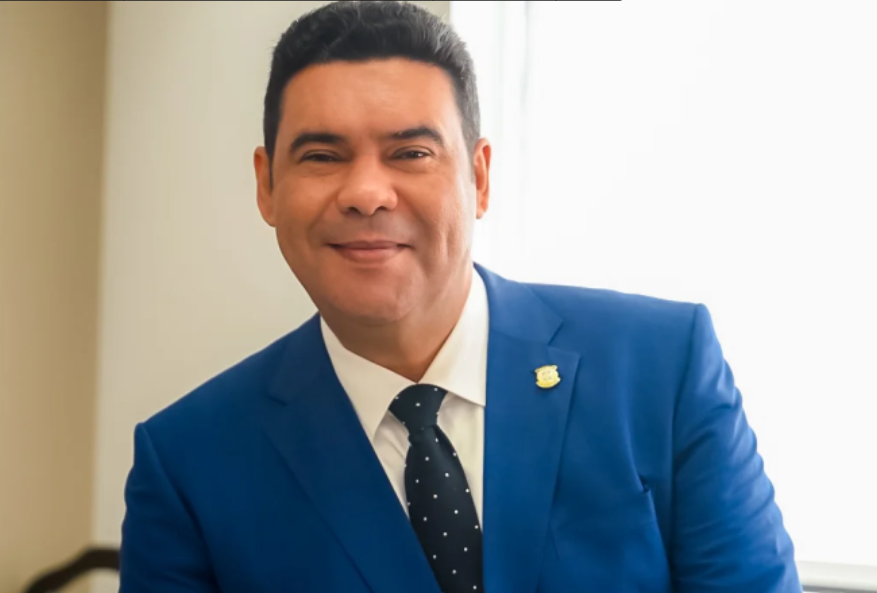
SANTO DOMINGO. – Senator Rafael Barón Duluc, known as Cholitín, representing La Altagracia province, warned that real estate projects in the Dominican Republic are being promoted with large advertising campaigns “without even owning the land.” He defended the need to pass a law regulating real estate brokerage and combating deceptive advertising within the sector.
The statements were made during the discussion “Law that regulates real estate intermediation and misleading advertising”, held last week in the Senate of the Republic, where the legislative piece has already been approved.
“I know of projects, gentlemen, that invest thousands and thousands of dollars in a rendering, in a webpage, and create a wonderful project that doesn't even have the land,” the legislator said.
The main limit is the truth
During his speech, Duluc insisted that one of the central objectives of the regulations is to ensure that real estate advertising is clear, accurate and does not mislead the consumer.
“The main limit is the truth. That what is published is true, nothing more. That is what the law seeks to achieve,” he stated, adding that the legislation aims to prevent practices such as promoting projects without permits, announcing guaranteed titles without legal backing, or promising delivery dates that are impossible to meet.
Freedom does not mean lack of control
Duluc also criticized the informality within the real estate market and pointed out that many people currently work as agents without training or minimum requirements.
“Many people who are hopeless at everything and have nothing, become real estate agents,” he said.
The legislator argued that, although everyone has the right to practice a profession, that does not mean it should be done without controls.
“Freedom does not mean lack of control or disorder,” he stated, comparing real estate activity with regulated professions such as medicine, law, and accounting.
A law that comes from the sector
The senator also clarified that the proposal was not created solely by Congress, but rather arose from joint work between associations and representatives of the real estate sector.
“This bill wasn’t something I created. Nor was it something my legislative team created,” he said.
As he explained, the initiative was developed in conjunction with entities such as ACOPROVI and the Association of Real Estate Agents and Companies (AEI), as well as agents and companies linked to the market.
“It’s a bill that comes from the sector,” he added.
Licenses, regulation and sanctions
The proposal, which will now be reviewed by the Chamber of Deputies, includes licensing requirements for real estate agents and agencies, as well as sanctions such as suspension or cancellation of licenses, exclusion from the registry, and possible civil and criminal liability in cases of consumer damages.
Also participating in the panel was legal advisor María Cristina García, who stated that the law will allow the Dominican real estate market to be transformed "from a disorganized market to a completely regulated one.".
Recommended readings: