


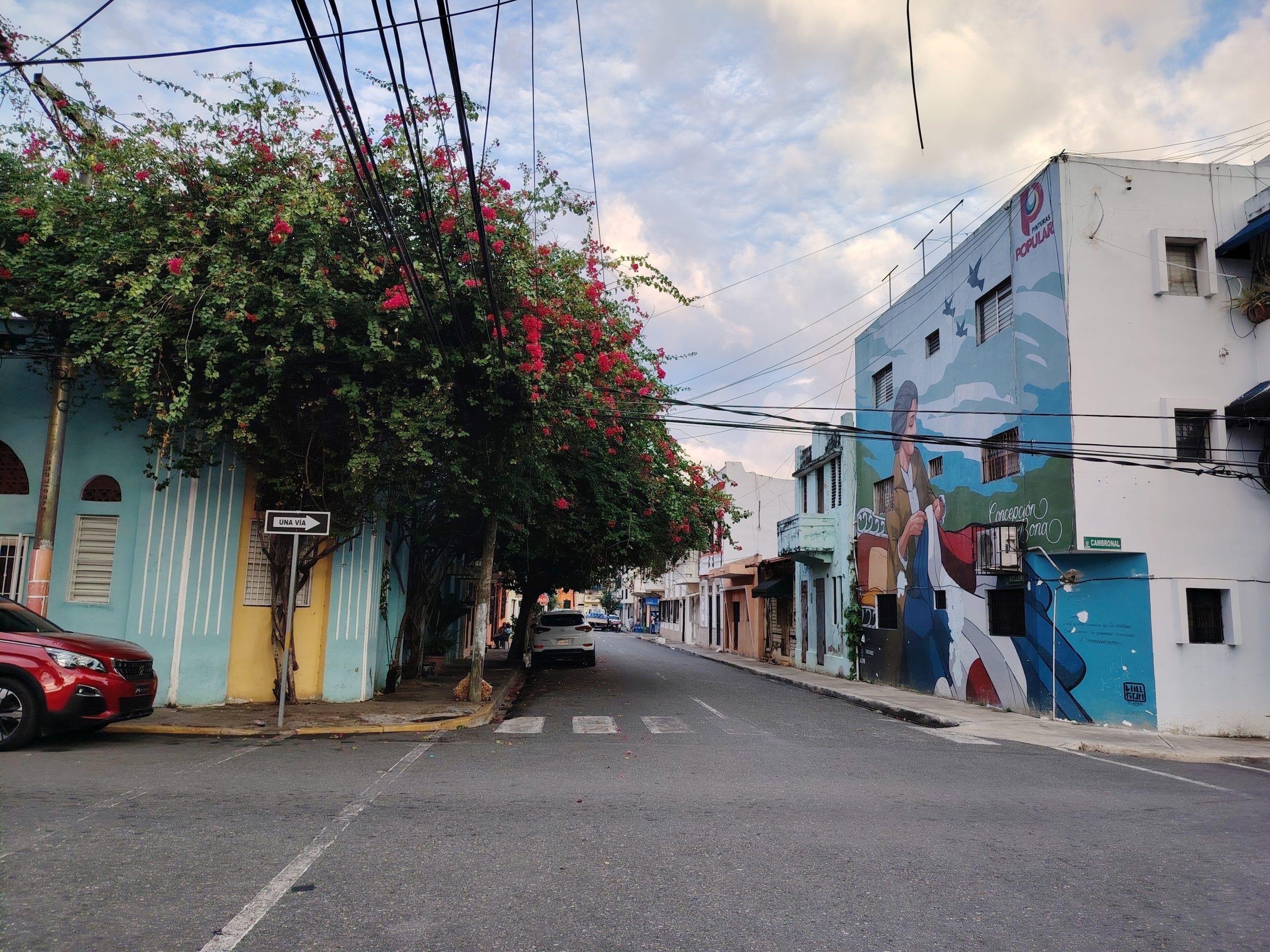
SANTO DOMINGO.- A stroll through Ciudad Nueva is an immersion into where urban history began outside the city walls: the first extramural dwellings and the buildings that raised the city, adorning it with balconies.
It emerged at the end of the 19th century as a modernizing initiative of the government of Ulises Heureaux, following the partial demolition of the colonial walls and the expansion towards the Sabana del Estado.
It was the first planned expansion outside the walled enclosure and its initial layout, designed in 1884 by the engineer JM Castillo, introduced regular blocks that broke with the urban scheme of almost four centuries.
The new model
The residents abandoned colonial rigidity and built wooden houses aligned with the sidewalk, a blend of popular simplicity and bourgeois elegance. Colorful facades, large windows, front galleries, sloping roofs open to the street, interior courtyards, and entryways defined a functional architecture adapted to the climate.
Later, neoclassical-influenced masonry appeared, with columns and ornamentation, also as a response to fires and hurricanes. The arrival of doctors, lawyers, and politicians transformed the social composition and displaced working-class sectors: an early expression of gentrification.
Its streets affirmed national identity by bearing the names of patriotic battles: Estrelleta, Cambronal, Las Carreras, Palo Hincado or Beller.
The 20th century introduced concrete and steel, with buildings of two to four stories reflecting modern rationalism: smooth facades, functional balconies, and large windows. Inside, living and dining rooms were integrated, kitchens were optimized, and patios were reduced or eliminated.
According to José Enrique Delmonte, the neighborhood maintained its grid and parceling, but the houses began to coexist with multi-family dwellings, altering the scale, while the magazine Arquitexto warns that this transition redefined its identity.
Today, Ciudad Nueva faces a new cycle of rehabilitation, price increases, and displacement of traditional families, a phenomenon also visible in Ciudad Colonial and Gascue, which threatens to erode its cultural memory.
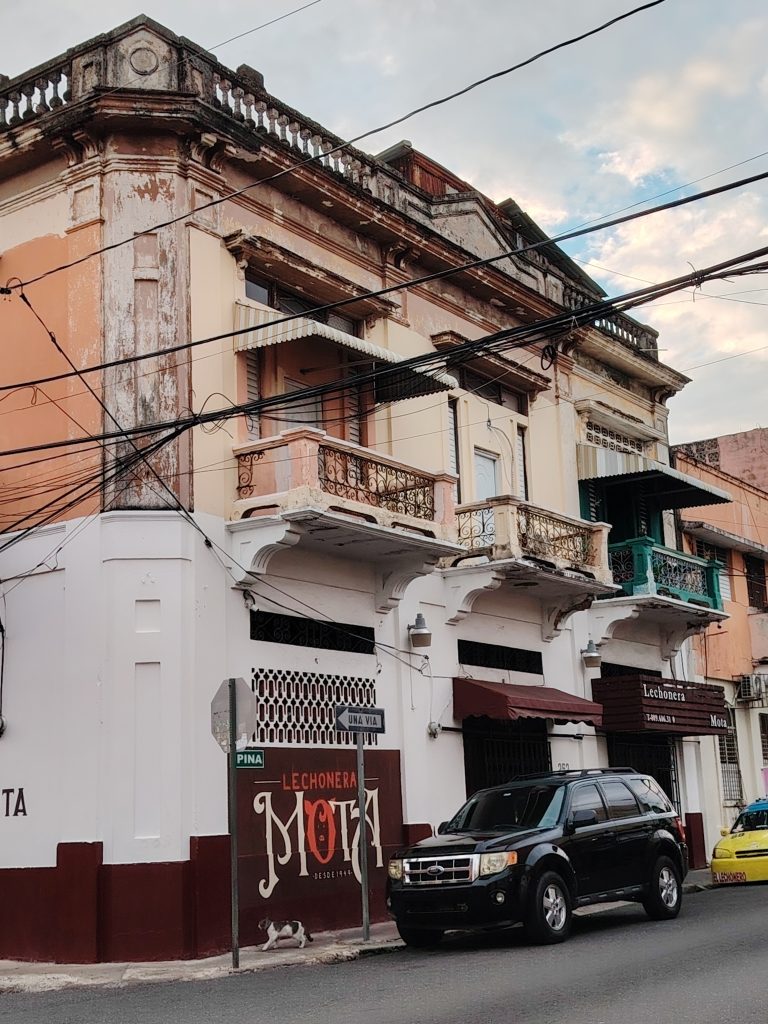
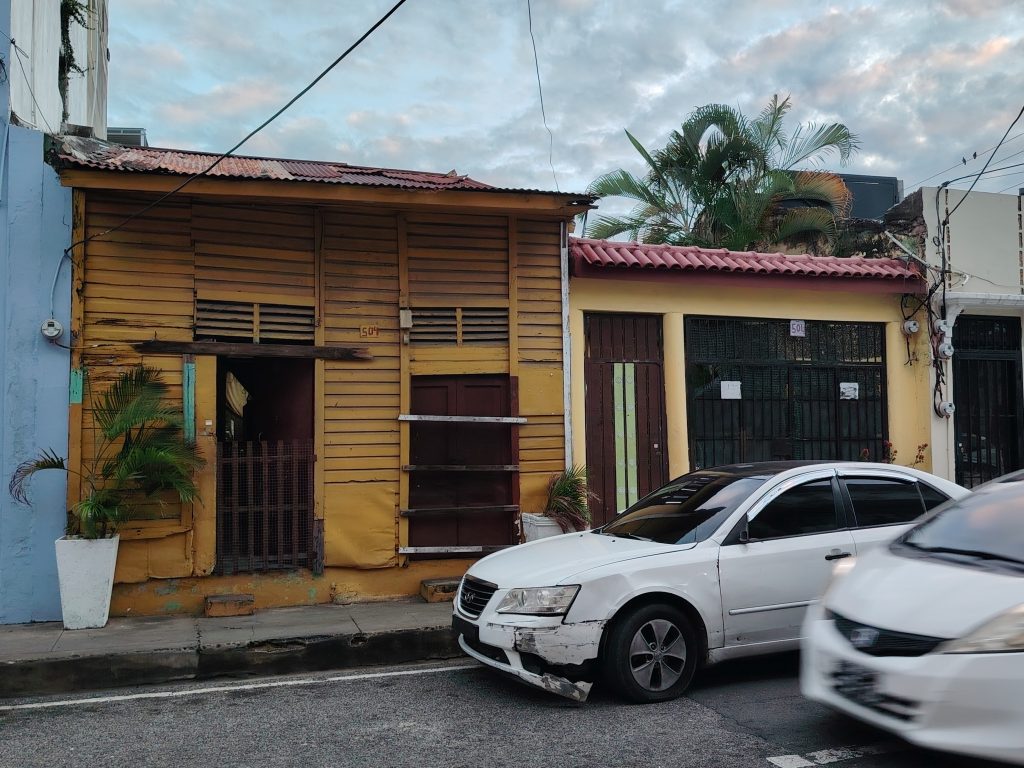
The neighborhood evolved as its streets became a stage for power, culture, and resistance. (Solangel Valdez/El Inmobiliario).
Political and cultural memory
Its residents include three presidents: Juan Bosch, Francisco Alberto Caamaño and Jacobo Majluta, as well as the poets Pedro Mir and René del Risco, and it was a constitutionalist stronghold during the April Revolution of 1965.
Businesses like Lechonera Mota, still standing, the Fiumé bookstore and the Santos grocery store enlivened daily life, while in the Piano Bar of the Napolitano hotel, love affairs, businesses and political positions were negotiated.
On facades and courtyards, traces of struggles, serenades, and conspiracies persist, while its inhabitants walk between museum and slum, among murals that resist decay and bougainvillea that reclaim oblivion. Ciudad Nueva opened its walls to embrace modernity and today remains a living, open-air gallery, complete with a tangle of cables that is part of the landscape.
Originally published in El Inmobiliario print edition no. 14
Recommended readings:







