


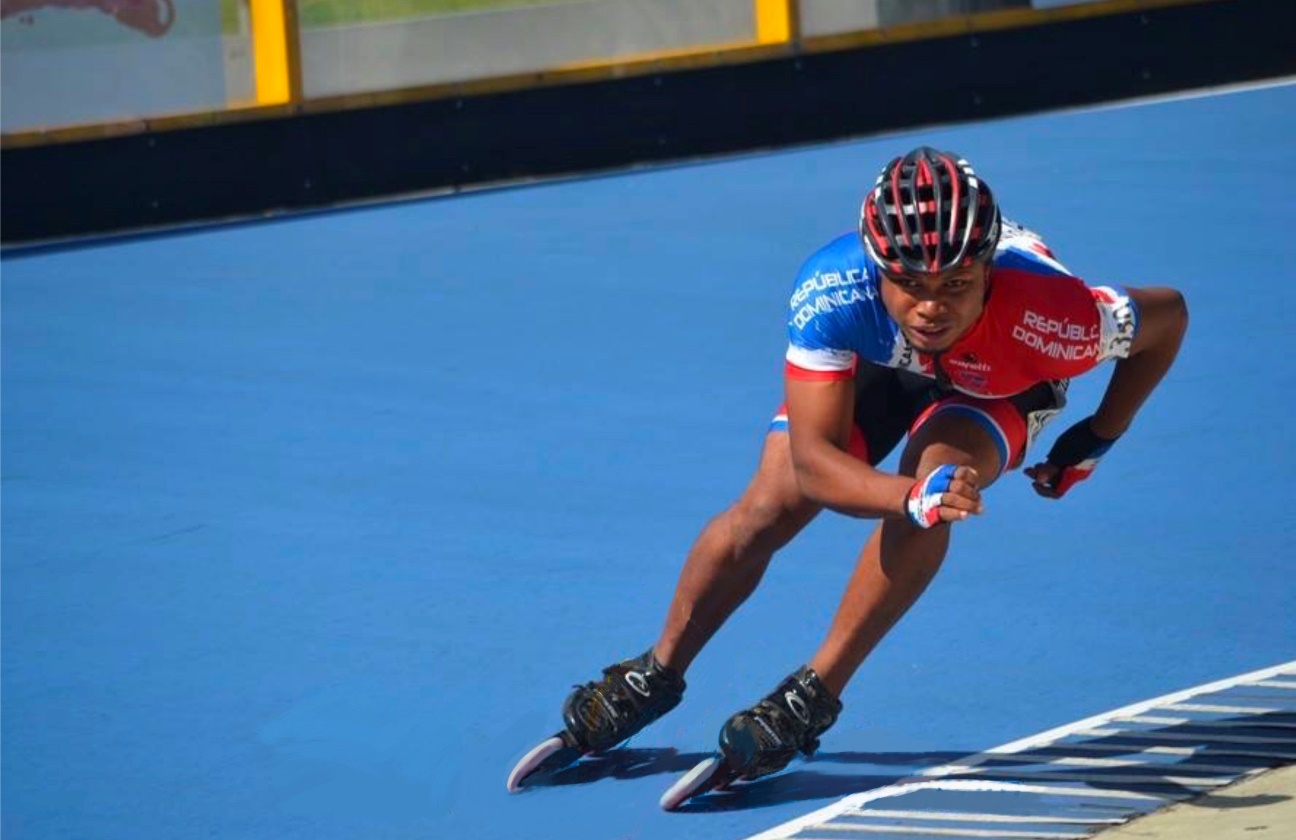
SANTO DOMINGO – Skating in the Dominican Republic has evolved from a purely recreational activity into a sport with organization, social impact, and international reach. From clubs and community events to the work of its national federation, the sport on wheels, and increasingly on ice, is gaining strength with greater institutionalization and visibility within the country.
Fedopatin: the federation that organizes and promotes Dominican skating
The Dominican Skating Federation (FEDOPATIN) is the governing body that unites and regulates the different skating disciplines in the country. Its work includes organizing national competitions, representing the Dominican Republic in international events, and developing programs that promote the sport from an early age.
The organization has managed to promote sports in multiple provinces of the country, such as Santo Domingo, Santiago, La Altagracia, Puerto Plata, San Cristóbal, Monte Plata and Hermanas Mirabal, through local championships and initiatives of affiliated clubs.
Furthermore, with the Central American and Caribbean Games Santo Domingo 2026 approaching, the federation is working to strengthen the competitive level of Dominican athletes and create the conditions for outstanding performance in different roller skating disciplines, including speed and artistic skating.
Events and community participation: skating present in national life
The growth of skating is also reflected in the number of events that attract competitors of all levels. A recent example was the 55-kilometer roller skating race held for International Women's Day, in which more than 100 Dominican athletes, including young people and children, participated, along with international guests.
These types of activities, organized with the support of local clubs, not only promote healthy competition, but also consolidate an enthusiastic community around the sport, opening spaces for families, schools and youth groups.
Dominican clubs, such as Skating Club 3R, Espacata RD, Herrera Sobre Ruedas, Rutas Skate and Rolling Family, have played a key role in promoting skating and training athletes with competitive potential.
Figure skating: a history of achievements and future prospects
Although the country has a tropical climate and no natural ice rinks, Dominican figure skating has made its mark. Young Alejandra Rain Jiménez, for example, became an emblematic figure in figure skating after winning a silver medal at a Latin American interclub championship and receiving support from the Dominican Olympic Committee (COD) in her international career.
This is an important fact, as it shows that skating, even in non-traditional disciplines for countries without ice infrastructure, has Dominican representatives who strive to raise the national flag in global competitive scenarios.
Furthermore, the Dominican Republic will have representation in figure skating at the upcoming 2026 Central American and Caribbean Games with young talent that has grown up within local academies, strengthening the country's competitive scene.
Challenges and opportunities: infrastructure and the future
Although Dominican skating has advanced considerably, it still faces significant challenges, especially in infrastructure. Existing rinks do not always meet the desired international specifications, and many athletes must adapt to local conditions or train abroad to reach higher competitive levels.
However, the growth of specialized academies, community clubs, and the support of national and international institutions provide a solid foundation for Dominican skating to continue developing. The possibility of hosting international events, such as stops on the Pan American Roller Skating Circuit, in Santo Domingo is a tangible goal for the coming years.
Recommended readings:







