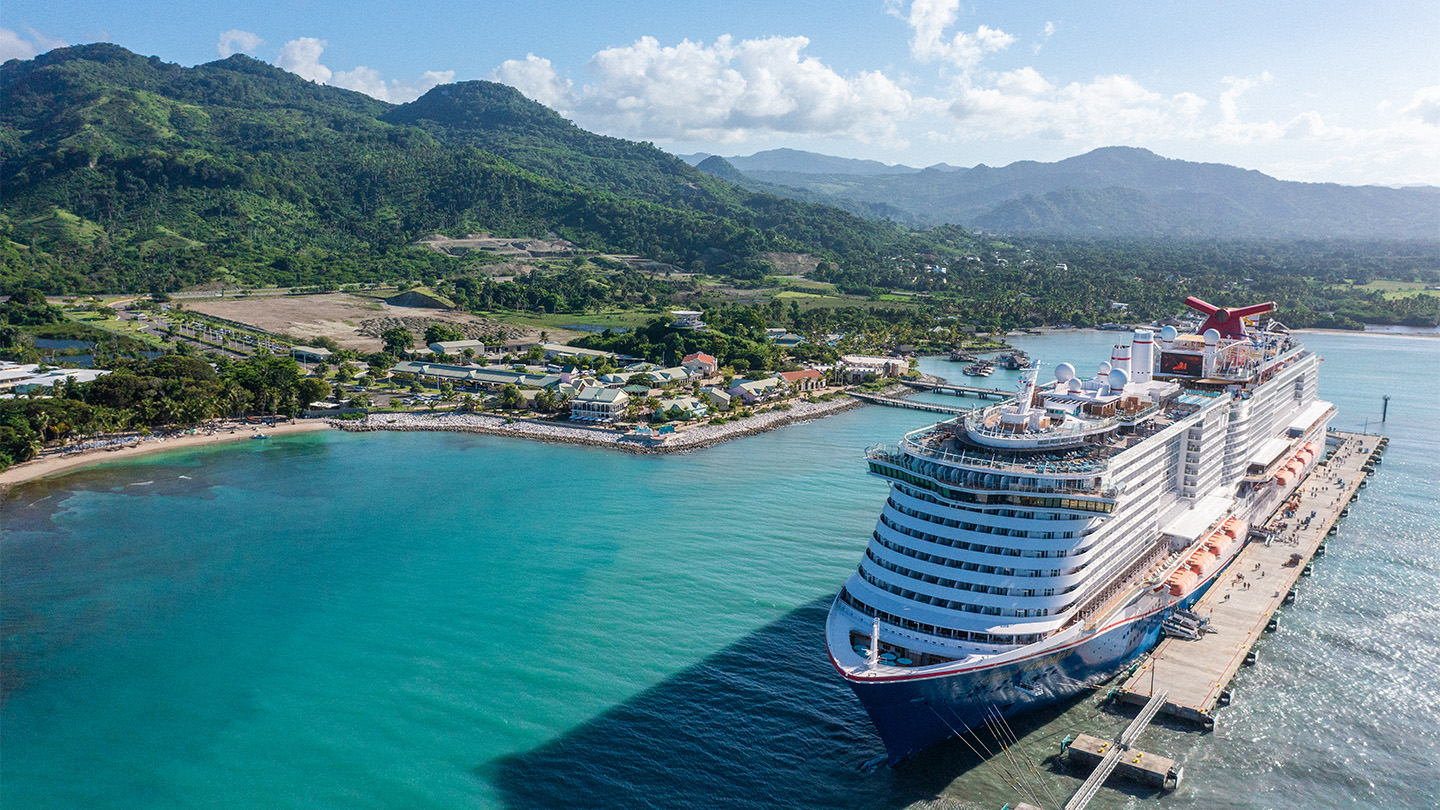
If we think of a cruise as a break from the daily grind, the Dominican Republic almost naturally comes to mind. Its beaches, cultural proximity, and the ease with which each port of call can be transformed into a memorable experience have made it one of the most attractive destinations in the Caribbean. This isn't just a perception: the numbers back it up.
The Dominican Port Authority (APORDOM) confirmed that more than 120 international cruise ships will arrive in the country during January 2026, a volume that reinforces the strength of maritime tourism and the confidence that the main shipping companies maintain in Dominican ports.
Jean Luis Rodríguez, director of APORDOM, emphasized that this calendar is the result of years of work in infrastructure, organization, and international outreach. “This calendar reflects the confidence of the world’s leading cruise lines in the Dominican Republic and the outcome of the work we have been doing to strengthen our port infrastructure and consolidate the country as a regional leader in the cruise industry,” he stated.
Key diversification milestones
Among the season's highlights is the first arrival in the country of the Star Seeker cruise ship, from Windstar Cruises, a line specializing in luxury tourism. The vessel will dock for the first time at the port of Taíno Bay in Puerto Plata on January 18, 2026, from 8:00 a.m. to 6:00 p.m., marking an important step in diversifying the profile of cruise passengers visiting the country.
The schedule includes ships from globally renowned lines such as Royal Caribbean, Carnival Cruises, Norwegian Cruise Line, MSC, Celebrity Cruises, Costa Cruises, Princess Cruises, Virgin Voyages and AIDA Cruises, confirming the Dominican Republic's position within the strategic routes of the Caribbean.
The ports that sustain the season
During January, four terminals will handle the majority of cruise ship calls: Taíno Bay and Amber Cove in Puerto Plata, Puerto Santo Domingo, and La Romana. This is not a uniform operation, but rather a system where each port fulfills a distinct role within the Dominican Republic's tourism landscape.
Taíno Bay offers a direct connection to the city. Its proximity to Puerto Plata's Historic Center allows cruise passengers to immediately stroll through its streets, visit the San Felipe Cathedral, or ride the cable car to Pico Isabel de Torres. Amber Cove, on the other hand, is the large, massive port of call in the north, inaugurated in 2015 and designed to accommodate the largest cruise ships. It functions as a resort complex in itself, with swimming pools, recreational areas, and organized excursions to Sosúa and Cabarete.
The Port of Santo Domingo offers a completely different experience. Its value lies in its location next to the Colonial City, a World Heritage Site, home to some of the oldest monuments in the Americas. It is one of the few ports in the Caribbean that connects directly to a historic center over 500 years old, making every stop a cultural, gastronomic, and heritage journey.
La Romana completes the map with a more exclusive profile. Excursions depart from its port to Casa de Campo, Altos de Chavón, Saona Island, and Bayahibe, destinations associated with high-end tourism and stunning natural landscapes. This combination of luxury, nature, and culture means that when we talk about more than 120 cruises in a single month, we're not talking about a single experience, but rather four distinct ways to experience the Dominican Republic from the sea.
Trends in the Cruise Industry for 2026:
The Caribbean will continue to be the main hub of cruise tourism in 2026. This is not an abstract projection: in 2024, the Caribbean, Bahamas, and Bermuda routes accounted for 43% of all cruise passengers worldwide. Furthermore, the industry continues to grow. That same year, 34.6 million passengers traveled, and the projection for 2025 is 37.7 million.
At the same time, growth no longer depends solely on the "megaship." CLIA reports that the luxury cruise market has tripled since 2010 in terms of the number of vessels, and that expedition and exploration cruises increased by 22% from 2023 to 2024, clear signs of a traveler seeking more specific and less mass-market experiences, where the value of the trip lies not in the number of passengers on board, but in the quality of the journey, the level of personalization, and the real connection with each destination.