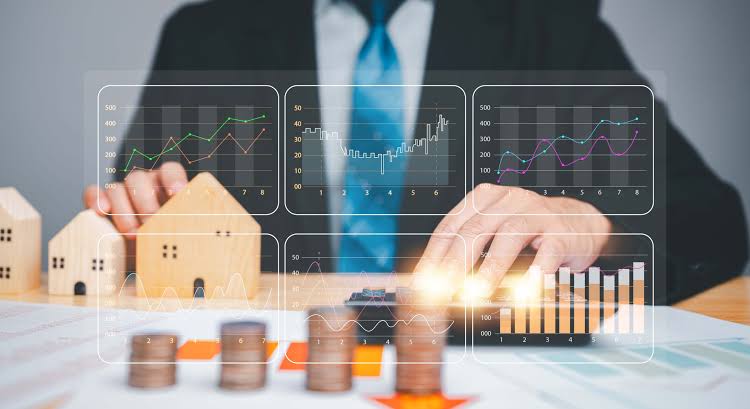
SANTO DOMINGO– Determining the value of a home no longer depends solely on the expertise of an appraiser or comparing similar properties in the same area. Today, artificial intelligence can analyze millions of data points in seconds to estimate a property's value, identify investment opportunities, and even project its potential price in a few years.
What seemed like an experimental tool just a few years ago is beginning to gain traction in the real estate market. Banks, property portals, developers, and investors are already using algorithms to expedite valuations, anticipate trends, and support purchasing and financing decisions.
From traditional valuation to the analysis of millions of data points
Valuing a property has always required studying factors such as location, size, condition, and market trends. The difference is that now artificial intelligence can process all that information—and much more—in a matter of seconds.
According to the specialist firm Gloval, Automated Valuation Models (AVMs) use machine learning to analyze thousands of variables simultaneously. In addition to the size, number of rooms, and age of a property, they also incorporate photographs, property descriptions, historical sales data, market trends, and information about the surrounding area.
The result is an estimate of the market value generated almost immediately, a process that traditionally could take several days.
AI is also trying to answer a more difficult question: how much will that home be worth in the future?
The next step is not to calculate the current price, but to anticipate how it will evolve.
According to the real estate portal CienCuadras, algorithms already analyze variables such as planned urban development, new infrastructure projects, accessibility, historical price per square meter, rental demand, population growth, and socioeconomic conditions to project the potential appreciation of a property.
This capability is especially useful for investors, as it allows them to identify areas with higher growth potential before prices increase.
In Caribbean markets, these tools are already part of real estate platforms that help buyers compare investment opportunities based on predictive analysis.
More than just calculating prices, AI is transforming the shopping experience
The application of artificial intelligence does not end with the appraisal.
According to Infobae, more and more real estate platforms are using algorithms to offer smart searches and personalized recommendations. Instead of relying on traditional filters like price or number of bedrooms, these systems interpret user behavior to suggest properties that best suit their interests, needs, and budget.
Technology also allows for the creation of virtual tours, improved property descriptions, automated responses to clients, and even support for the planning of real estate projects before construction begins.
When artificial intelligence also influences housing prices
The AI revolution isn't just happening within technology platforms. It's also changing market behavior.
A recent BBC report documented how the growth of companies like OpenAI and Anthropic has fueled housing demand in San Francisco. The influx of high-income workers with substantial stock holdings has significantly driven up property prices, once again making the city the most expensive real estate market in the United States.
According to data from Redfin cited by the BBC, the average selling price reached US$1.76 million in May 2026, a phenomenon that various analysts directly link to the rise of the artificial intelligence industry.
The case demonstrates that AI is not only useful for analyzing the real estate market: it can also become one of the factors that modify its behavior.
Can it replace an appraiser?
Although technology has advanced rapidly, the answer is still no.
Experts agree that artificial intelligence is a valuable tool for accelerating analysis and processing large volumes of information, but it still relies on available data. Aspects such as the actual state of repair of a property, the quality of its finishes, structural problems, legal issues, or specific characteristics of the surrounding area still require professional evaluation.
Gloval points out that, precisely for that reason, the results of automated models continue to be reviewed by specialists before supporting important investment or financing decisions.
An increasingly smart market
Artificial intelligence is already transforming the real estate industry. From valuing a property in seconds to identifying investment opportunities or projecting sector growth, algorithms have become a strategic tool for buyers, banks, developers, and real estate agents.
Rather than replacing human expertise, the trend points to a collaboration between technology and professional knowledge: while AI processes millions of data points at a speed impossible for a person, the judgment of experts remains essential to interpret the information and make decisions with greater accuracy.
Recommended readings: