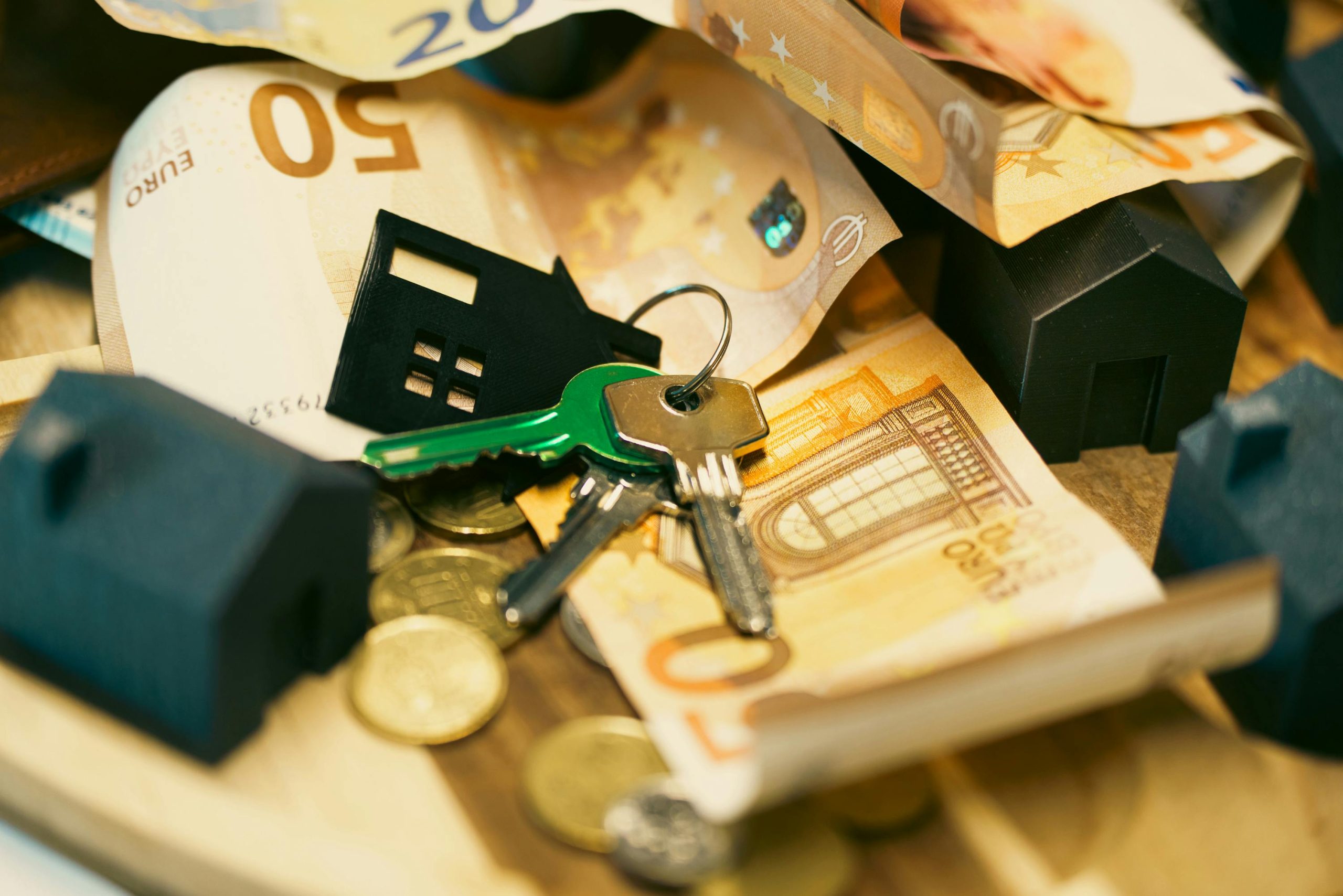
One of the first expenses that appears in the process is the appraisal of the property
SANTO DOMINGO – Buying a home is often one of the most important financial goals in many people's lives. For years, those who want to take this step focus much of their effort on saving the money needed for the down payment, convinced that this is the main obstacle to becoming homeowners.
However, when the process begins, many discover that this amount is not the only expense they need to consider.
Acquiring a property involves a series of additional costs that, if not planned in advance, can put pressure on the personal or family budget.
For this reason, a home should not be seen only as an emotional goal, but also as a decision that requires organization and planning.
The expenses
One of the first expenses involved in the process is the property appraisal. This procedure determines the property's true value and is usually required by financial institutions before approving a mortgage. Although many people are unaware of it, this fee must be paid for by the buyer.
In addition to this, there are legal expenses, which include drafting contracts, notarizing documents, and other processes related to property registration. These costs can represent a considerable portion of the total budget, depending on the property's value.
Another aspect that often goes unnoticed is the contracting of insurance associated with the mortgage loan, such as life or property insurance.
These coverages aim to protect both the buyer and the financial institution against possible unforeseen events, but they are also part of the financial commitment involved in acquiring a home.
Closing costs and loan formalization fees must also be taken into account. These correspond to various administrative procedures carried out during the approval and disbursement of the financing.
Furthermore, once you receive the property, it's common to incur additional expenses related to renovations, furniture, or minor repairs. Painting, appliances, basic furniture, or initial improvements are often part of this stage, so it's advisable to set aside some extra funds in your financial plan.
Ability to pay
Before buying a home, it's essential to assess your long-term ability to pay. Purchasing property involves more than just covering initial expenses; it requires maintaining a financial commitment for years to come.
Therefore, evaluating income, debt level, and savings capacity allows for a more responsible decision and helps avoid economic imbalances.
Therefore, those preparing to buy a home should understand that the down payment is only part of the journey. Having additional funds to cover associated expenses can make the difference between a smooth financial process and one full of surprises.
Planning ahead, researching each stage of the process, and maintaining a realistic view of the budget are key steps to making home buying a positive experience
Ultimately, more than raising a specific sum of money, what is truly important is building a solid financial foundation that allows you to make this decision with peace of mind and stability.
Sources: State Farm, The Muse Truist Bank, Fringracen.
This article was originally published in El Inmobiliario print edition no. 14
Recommended readings: