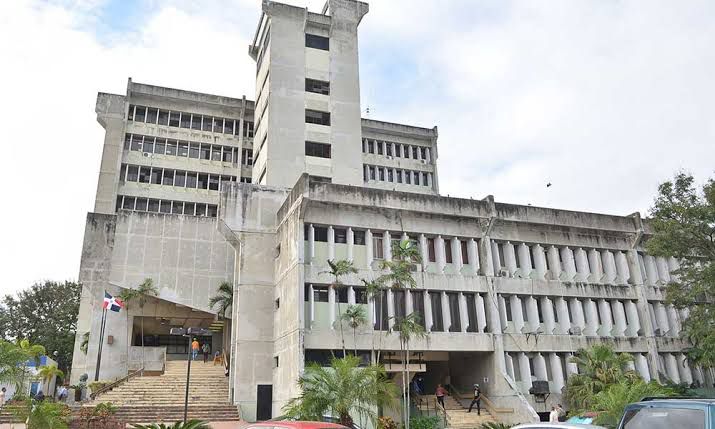
From March 1, 2026, all rental and lease contracting processes must include, as a mandatory requirement and before registration, a Technical Inspection and Evaluation Report
SANTO DOMINGO.– Rental and lease agreements for state-owned properties must undergo a mandatory technical inspection before registration, as part of a new oversight mechanism established for these agreements.
The measure was formalized through Resolution No. IN-CGR-RES-2026-0002 of the Comptroller General of the Republic, which establishes preventive controls to verify that the properties comply with the measurements, distribution, accessibility and facilities stipulated in the terms and conditions, technical data sheet or signed contract.
What changes with this resolution?
Until now, public institutions could manage rental contracts and subsequently register them in the TRE Contracts without a mandatory preventive technical inspection requirement by the Comptroller's Office. With the new regulations, this procedure changes significantly.
From March 1, 2026, all rental and lease contracting processes must have, as a mandatory requirement and before their registration, an Inspection and Technical Evaluation Report carried out by technical staff of the Comptroller's Office.
According to the Comptroller General, Geraldo Espinosa Pérez, the measure seeks to ensure that the property complies with the dimensions, distribution, accessibility and facilities defined in the terms and conditions, technical data sheet or contract signed between the parties.
This means that the State cannot formalize the registration of a new contract unless it has been technically verified beforehand that the property corresponds to what is stipulated in the agreement and that the financial obligations that the institution will assume are justified according to the real conditions of the space.
Preventive control and transparency
According to the oversight body, the resolution is part of the institution's Mission Processes Transformation Plan and is framed within the strengthening of preventive controls for the execution and disbursement of public resources.
The comptroller noted that the regulations represent a significant step forward in transparency and responsible use of public spending, by preventing the State from making financial commitments on properties that do not meet the established technical and contractual conditions.
In practical terms, the resolution introduces prior material supervision, aligned with the initiative to inspect works, goods and services, which now formally extends to rental contracts.
New mandatory procedure
The process that public institutions must follow also changes.
Before uploading the procedure to the TRE Contracts system, the institution interested in registering the file must send a formal communication addressed to the Comptroller General, signed by the highest executive authority of the entity, requesting the assignment of technical experts to carry out the corresponding inspection.
That request must include, as an attachment, a copy of the contract signed between the parties.
Once the inspection has been carried out, the Comptroller's Office technicians will issue the Technical Inspection and Evaluation Report, which will validate the correspondence between the contractual specifications and the actual conditions of the property.
Subsequently, the Comptroller's Office will send that report to the contracting institution, which must then attach it when registering the contract in the TRE system, along with the other requirements demanded by current regulations.
Without that prior technical report, the process cannot be completed.
Scope and application
The resolution will be mandatory for ministers, directors general, national directors, heads of decentralized and autonomous non-financial institutions, Social Security agencies and public companies.
This means that preventive control will be applied across the public administration, without exception based on the type of entity.
Furthermore, the Comptroller's Office reserved the right to inspect at any time the properties already contracted as of the date of issuance of the resolution, which introduces an additional component of supervision even for current agreements.
Implications for public management
The measure could impact the administrative timelines for formalizing contracts by adding an extra stage of technical review before registration. However, from an internal control perspective, it strengthens prior oversight mechanisms and reduces the risk of the State paying for spaces that do not conform to the contract terms.
It also establishes greater documentary traceability, by directly linking the physical conditions of the property with the financial obligations assumed by the public institution.
In terms of public policy, the resolution is part of a broader effort to strengthen state spending control and oversight systems, shifting the focus from post-audit to prevention.
With its entry into force on March 1, 2026, the new regulations redefine the procedure for contracting rentals in the public sector and set a precedent in terms of mandatory technical supervision before the formal commitment of public resources.
Recommended readings: