


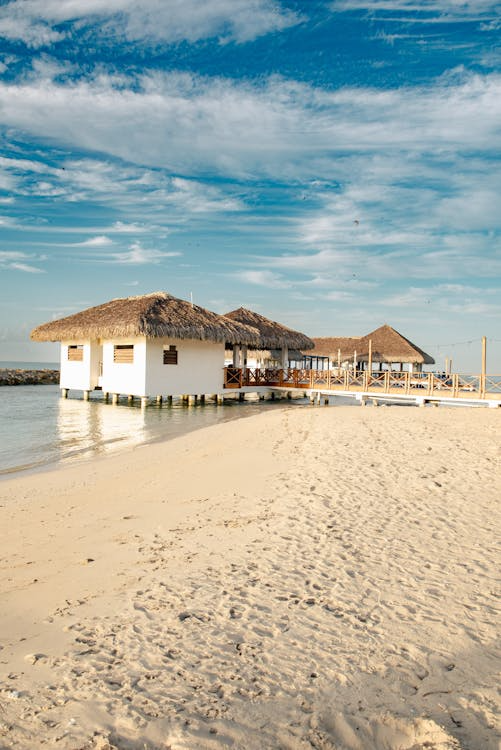
SANTO DOMINGO –Contrary to what one might think, one of the main drivers of the Dominican real estate boom is not skyscrapers or mega-tourism projects, but tourists. With more than 11 million visitors in 2024, a 9% increase over 2023, the constant influx of travelers has transformed the country into fertile ground for short-term vacation rentals, especially through platforms like Airbnb.
According to the July 2025 report by Global Property Guide (GPG), the international platform specializing in the analysis of global real estate markets, the boom in tourism in the Dominican Republic has been a determining factor in the high gross residential rental yields, which currently range between 7% and 8% in the country's main tourist and urban areas.
According to data from Statista, a leading German platform for aggregating and analyzing statistical and market data, revenue generated by the vacation rental market is expected to reach $122.86 million in 2025, with a projected annual growth rate of 7.01%, potentially raising revenue to $172.38 million by 2030. Statista indicates that the number of tourists opting for vacation rentals is increasing, estimating that 17.4% of visitors prefer this option to traditional hotels, a percentage that is expected to rise to 21.4% in the next five years.
The German platform attributes the phenomenon to a change in traveler preferences, with travelers seeking more personalized and authentic experiences, thus boosting demand and profitability for these types of properties in key destinations across the country.
Solid returns
This profitability is higher than the regional average and according to the report Rental Yields in the Dominican Republic, by Global Property Guide, published on July 10, 2025, the gross rental yield in the Dominican Republic is between 7% and 8%, depending on the location and type of unit, with a growing that not only translates into high occupancy.
According to the publication, in Santo Domingo, one- and two-bedroom apartments generate an average return of 7.63%, while in Punta Cana and Bávaro,one-bedroom units reach up to 8.31%, with an overall average of 7.33% across all categories. On the north coast (Sosúa, Cabarete), some developments report gross annual returns of between 6% and 9%.
These levels of profitability have attracted the interest of both local and international investors, drawn not only by the monthly income but also by the property values in certain strategic locations.
Foreign Investment and Challenges
The Dominican legal framework allows own property outright , and the country has become a reliable for those seeking passive income through vacation rentals. This is further supported by laws such as CONFOTUR, which offer tax incentives, including exemptions from property taxes (IPI), sales tax (ITBIS), and capital gains tax for up to 15 years, coupled with a stable and growing economy.
The Global Property Guide report also highlights that, despite the increase in price per square meter (between 5% and 7% year-on-year), acquisition costs remain competitive compared to other Caribbean destinations such as Aruba, the Bahamas, or Costa Rica.
“That legal protection, combined with a solid rental return, has made the country a magnet for buyers from the United States, Canada and Europe,” adds The Latinvestor, another media outlet that has reported on the growth of the real estate market in the Caribbean in July.
Although gross returns are high, net returns, after operating expenses, taxes, maintenance and management services, tend to be 1.5% to 2% lower, and to this must be added mortgage rates that remain high (between 11% and 12%), which can impact investors who used mortgage credit.
Discussions are also underway regarding new regulations on vacation rentals, under Law 8-24, which could require registration or limitations for short-term rental properties, especially those managed by foreigners.
Although the project mentions potential restrictions such as limits on the number of Airbnb-type properties for non-residents and differentiated tax measures, it is still pending debate and final approval.
Organizations such as Asonahores and the hotel sector have called for greater regulatory clarity: they want digital platforms like Airbnb to report their tax information, register formally, and pay taxes similar to conventional hotels, since there is currently no decree or law that obliges them to do so.
The combination of sustained tourist demand, high occupancy in key areas, and a favorable legal environment for investors keeps the Dominican vacation rental market among the most attractive in the Americas, with an overall positive balance. “It is a market that, if well managed, can guarantee consistent income and significant capital gains,” concludes the Global Property Guide analysis.
In addition to the country's natural attractions, there are passive income streams with gross returns of up to 8.3%, expanding infrastructure, and a growing national brand.
*Rental Yields in the Dominican Republic is part of a set of pages dedicated to real estate analysis by country from Global Property Guide, which also includes sections such as Buying Guide, Taxes and Costs, and Price History.
*Statista was founded in 2007 in Germany and offers access to millions of statistics, market research studies, reports, and infographic data on a wide variety of economic sectors, including tourism, technology, health, finance, and more.







