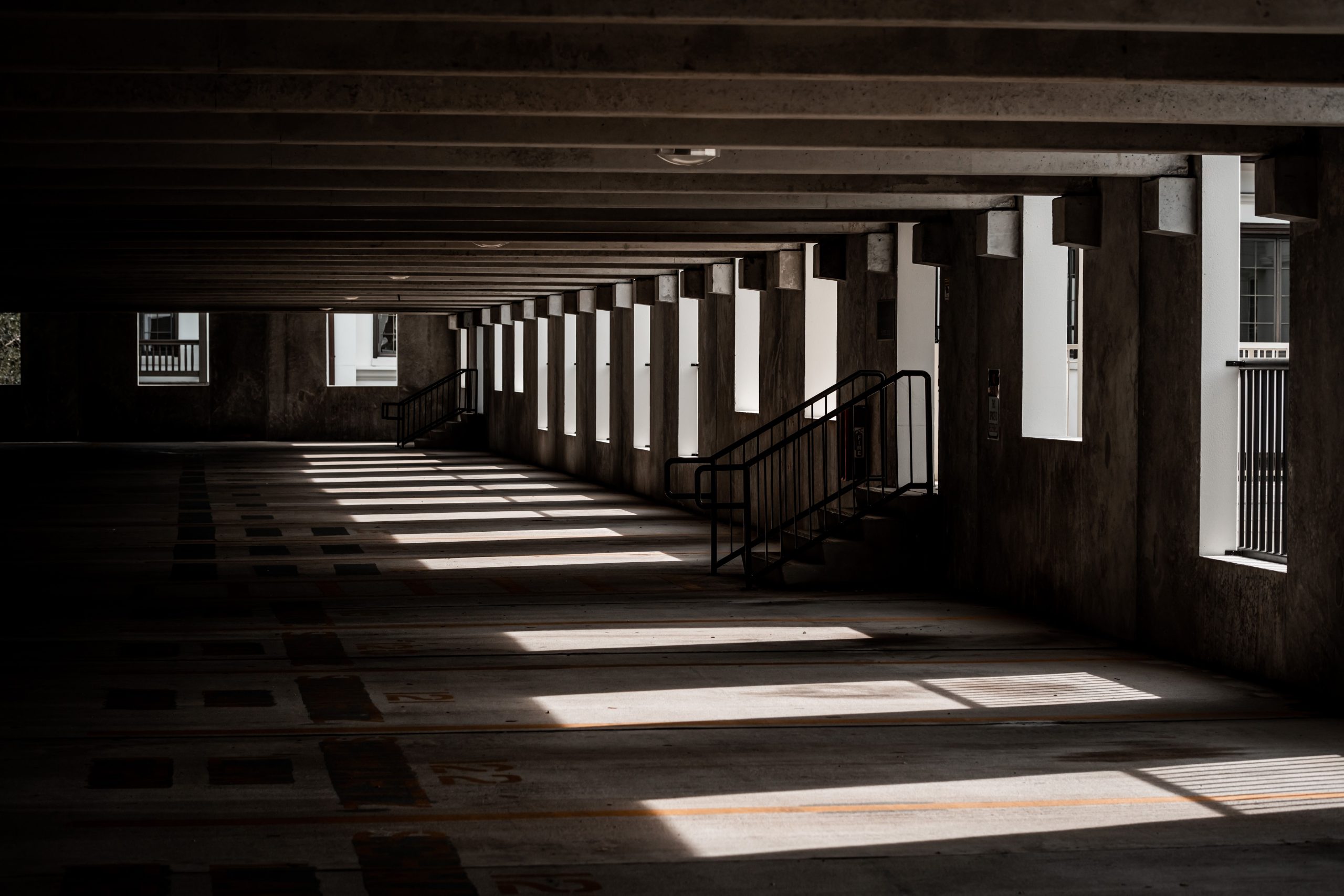
For many years, the conversation in the corporate real estate market was dominated by location and price. But that conversation is no longer enough. Today, the real risk for many real estate assets is not just vacancy. It's obsolescence. And that difference is enormous.
Because a building can be occupied today and still start to fall behind in the face of how businesses, technology, and the way we work are evolving.
I have seen this begin to accelerate in multiple international markets and slowly also in the Dominican Republic.
Buildings that were considered competitive ten or fifteen years ago are now beginning to face significant challenges:
insufficient parking,
inefficient plants,
low flexibility,
limited electrical systems,
technological difficulties,
high operating costs,
poor employee experience,
and limitations in adapting to new ways of working.
The problem is that many owners still think the corporate market works the same as before.
And it doesn't work the same way. Companies today are much more demanding because they are also evolving.
Artificial intelligence.
Automation.
Hybrid models.
Pressure on efficiency.
Sustainability.
Employee experience.
Operational analytics.
All of this is quietly redefining what types of assets will remain competitive in the coming years.
I was recently talking with executives from an international company who were evaluating different corporate offices. Something really caught my attention: at no point did the conversation begin with luxurious finishes.
The conversation began with:
– operational efficiency,
– future flexibility,
– technological capabilities,
– energy consumption,
– employee experience,
– and growth potential.
In other words, the conversation is no longer solely about real estate. It's strategic. Because today, many companies understand that a property impacts:
productivity,
culture,
talent retention,
hidden costs,
operational efficiency,
and brand perception.
And that completely changes how assets are valued. In fact, one of the most interesting issues we'll see in the coming years will be the difference between:
– buildings that evolve,
– and buildings that remain static.
Because not all assets will age the same.
Owners who continue to invest in:
– modernization,
– technology,
– sustainability,
– energy efficiency,
– user experience,
– and operational flexibility,
They will likely maintain much more competitive and resilient assets, while other buildings could slowly begin to lose relevance in the corporate market. And here's something important: this doesn't just apply to offices.
It also applies to:
– industrial buildings,
– logistics centers,
– retail,
– hospitality,
– and mixed-use developments.
Because the modern real estate market no longer rewards location alone. It's starting to reward adaptability. In more advanced markets, this conversation is already completely normal. Many funds and institutional investors even assess the "risk of obsolescence" before acquiring an asset.
In other words: how prepared is a building to remain competitive in 10 or 15 years? And honestly, I think that conversation is only just beginning in the Dominican Republic.
Conclusion
The next few years will likely divide the corporate market into two types of assets:
Those who evolve.
And those who are left behind.
Because in this new phase of the real estate market, true value will not be solely about square footage. It will be about having assets capable of adapting to the future.
Recommended readings: