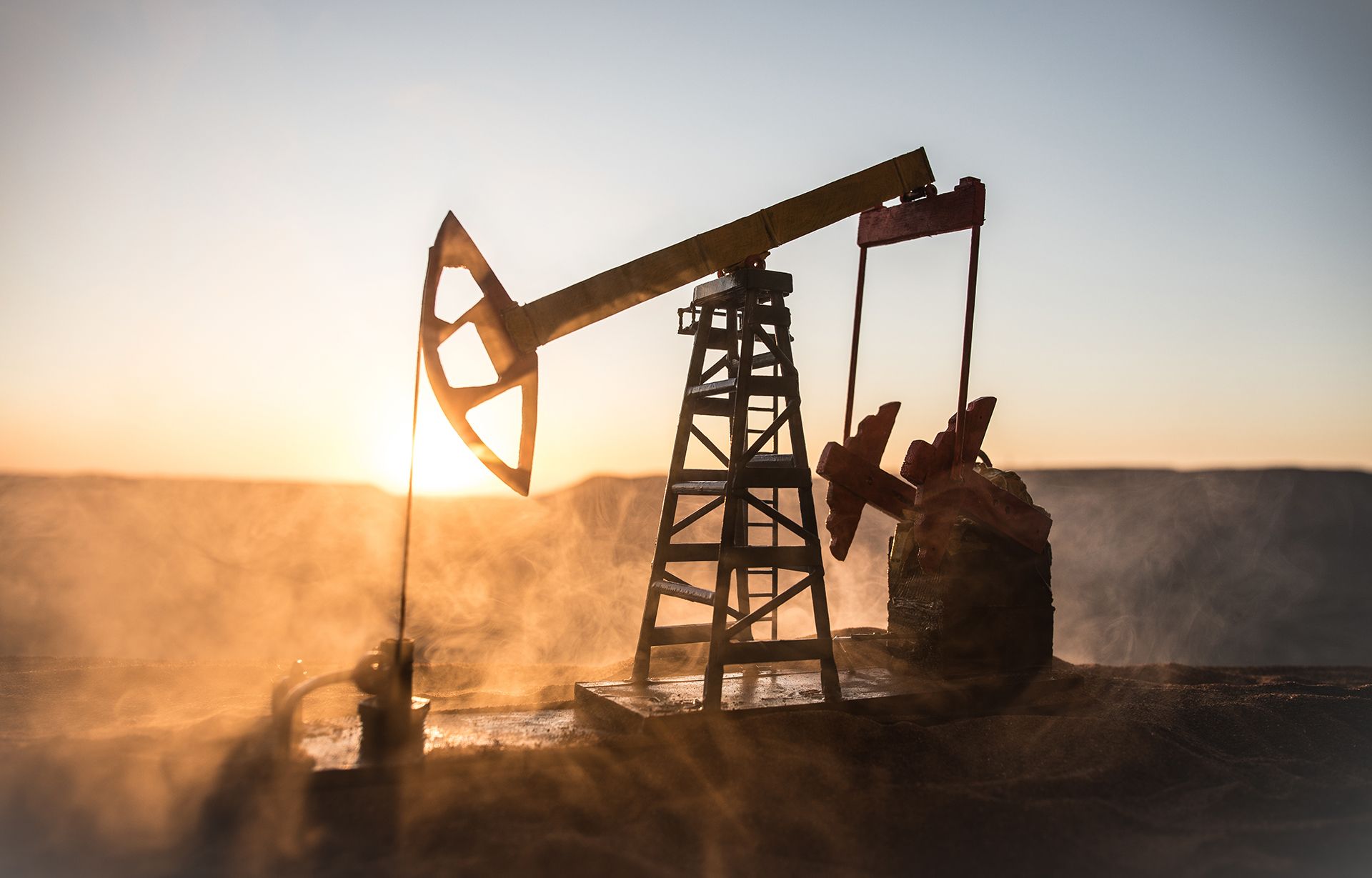
SANTO DOMINGO - The international price of oil once again surpassed the $100 per barrel mark in energy markets, driven by the escalating conflict in the Middle East and fears that the global supply of crude oil could be affected.
During the last few days, contracts for US oil WTI, one of the main indicators of the global energy market, approached $110 per barrel, while Brent, the international benchmark used in Europe and much of the world, exceeded $105.
West Texas Intermediate (WTI) is a type of crude oil produced primarily in the United States and traded on the New York Stock Exchange. This benchmark is used to set fuel prices in various countries across the Americas, including the Dominican Republic.
The rise in crude oil prices comes amid escalating tensions between the United States, Israel, and Iran, raising concerns about potential disruptions to the global energy supply. Analysts warn that the situation in the Strait of Hormuz, through which approximately 20% of the world's oil passes, could affect crude oil shipments from the Persian Gulf if the conflict intensifies.
Given this scenario, energy sector experts point out that if restrictions in the region continue, the price of oil could continue to rise in the coming weeks, which would have repercussions on international markets and global inflation.
Possible effects in the Dominican Republic
For economies like that of the Dominican Republic, which depend on fuel imports, variations in the price of oil usually have a direct impact on energy costs.
The country uses the WTI indicator as a reference to calculate local fuel prices such as gasoline, diesel and liquefied petroleum gas, a process that is managed by the Ministry of Industry, Commerce and MSMEs (MICM).
When the international price of oil increases, the cost of importing fuels also increases, which can affect transportation, the cost of electricity, and the prices of various goods and services.
Furthermore, the rise in crude oil prices could increase the national oil bill, that is, the amount the country spends on purchasing fuel on the international market. Because hydrocarbons represent a significant portion of Dominican imports, these changes could put pressure on the trade balance and public finances.
Sometimes, to avoid sharp increases in fuel prices, the government resorts to temporary subsidies. However, maintaining these mechanisms for extended periods can represent a significant cost to the state budget.
While the war in the Middle East continues to generate uncertainty in energy markets, the behavior of oil will remain a key factor for economies that depend on imported crude, such as the Dominican Republic.
Sources consulted:
- EFE News Agency
- France 24
- International energy market reports (Bloomberg)
Recommended readings: