


True strength lies not in enduring everything, but in recognizing when to stop, ask for support, or simply accept that you can't always handle everything.
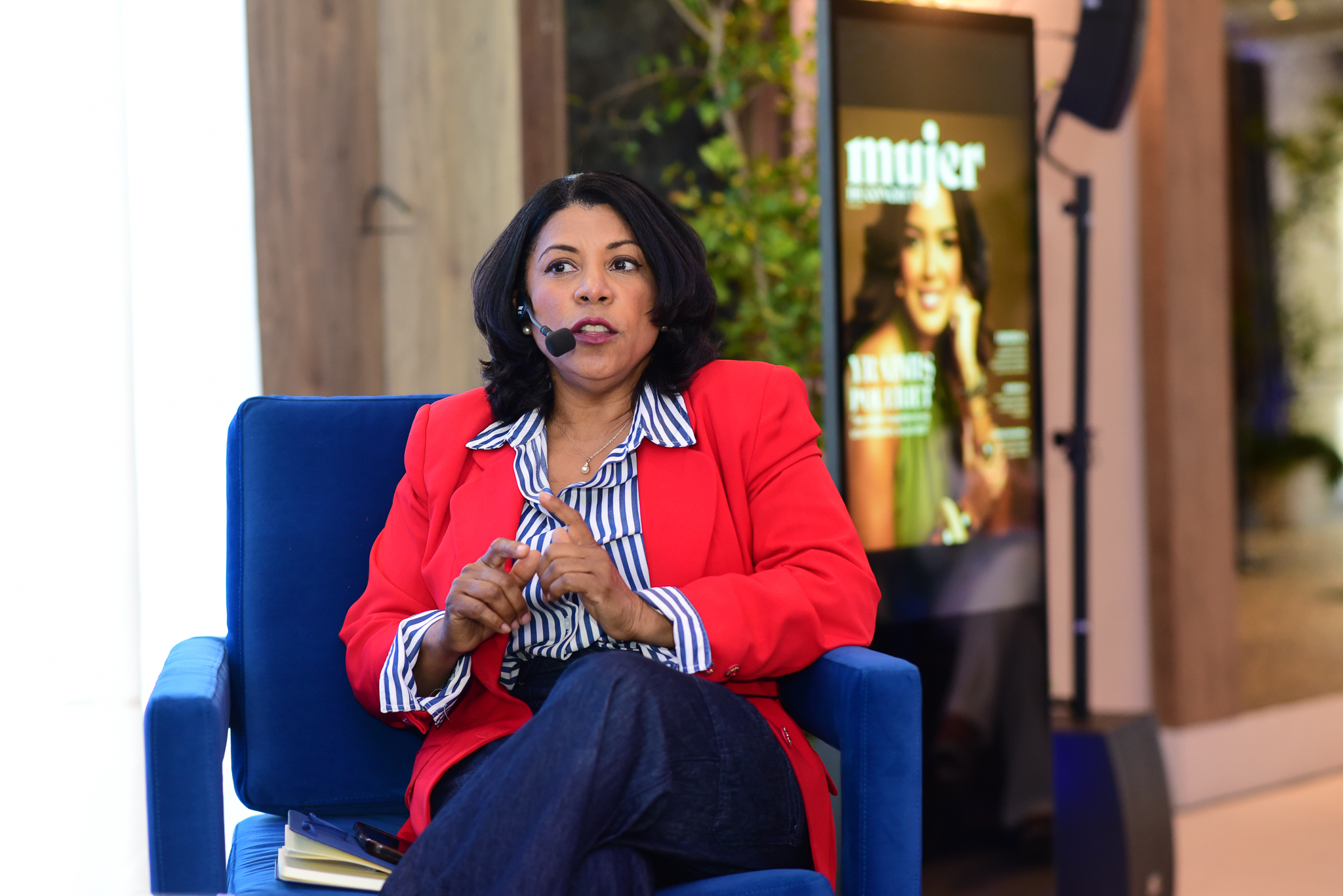
SANTO DOMINGO. – “Even concrete cracks.” With this powerful metaphor, clinical psychologist and family and couples therapist Itania María opened a profound reflection during her participation in the Concrete Woman Encounter: Breaking Glass Ceilings, a space dedicated to the leadership and development of women in different professional fields.
The specialist used the image of concrete, a symbol of resistance and firmness, to question an idea that, she explained, many women have internalized throughout their lives: the obligation to be able to handle everything.
“We can do anything” is a phrase that is often celebrated as a symbol of female strength, but it can also become a silent burden.
From that perspective, the psychologist suggested that recognizing one's own limitations is also a form of strength. "There are times when you simply can't, and that's valid too," she explained, encouraging the participants to let go of the pressure to always maintain an image of invulnerability.
Her presentation focused on the importance of mental health in the workplace, especially for those in leadership roles. In this regard, she emphasized the need to identify work-related stressors—pressures, constant demands, or external expectations—and develop strategies to cope with them in a healthy way. “And if you feel you can’t handle it, seek professional help.”.
Another key aspect of her presentation was building healthy self-esteem in leaders. She explained that a self-confident person can communicate clearly and confidently, which facilitates assertive communication within work teams.
This form of communication allows you to express ideas, needs, and limits without aggression, but also without silences that arise from insecurity.
The therapist also addressed a topic that often generates tension in professional environments: comparison with other people, and in response, she proposed a different perspective based on clarity of purpose.
Instead of measuring one's own progress against that of others, he recommended building personal and professional goals so solid that the achievements of others do not become a threat or affect emotional well-being.
“When your goals are strong and clear, someone else’s success doesn’t move you from where you are,” he explained, while drawing attention to a phenomenon that fuels competition and frustration in many professional environments: the constant comparison with what other people project, especially on social media.
During her speech, Itania Maria explained that this perspective can distort the perception of reality and warned that many times one is competing against carefully constructed images.
He spoke of “sandcastles” and “backstage stories” on platforms like Instagram, where visual narratives show success, stability, or prosperity, but do not always reflect what is really happening behind the scenes.
“We can see a seemingly perfect life on social media while, off-camera, that person’s economic or emotional reality is completely deteriorating,” she explained.
Therefore, she insisted that personal success cannot be measured by what others publicly display. Basing one’s own dreams or expectations on those projections, she pointed out, can generate anxiety, frustration, and a sense of competition that is out of touch with reality.
His invitation was clear: "don't lose sleep trying to reach models that, in many cases, only exist on the surface of a screen.".
In the end, the message returned to the starting point: strength does not mean permanent toughness or invulnerability.
In a context where many women feel pressure to be able to do everything, at work, in their personal lives and also in response to what they see on social media, the psychologist reminded us that mental health also involves recognizing limits, questioning comparisons and building one's own goals.
Because, as he summarized, even the strongest material can break. And understanding that concrete also cracks is not a sign of weakness, but an invitation to exercise more conscious, more humane, and more authentic leadership.
Recommended readings:







