


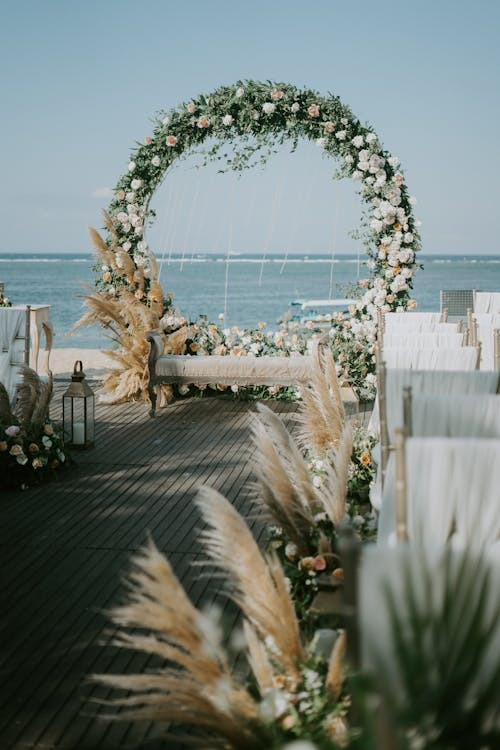
Between January and November 2025, 946 weddings of foreigners were celebrated in the country, with 39,172 guests, mostly international, generating an economic impact on hotels, excursions and tourist services.
SANTO DOMINGO. – The Caribbean beaches, beachfront resorts, and the possibility of turning a wedding into a multi-day tourist experience have made the Dominican Republic one of the most attractive destinations for foreign couples who decide to get married outside their country.
This segment, known as wedding tourism or destination weddings, which is part of event tourism or MICE (Meetings, Incentives, Conferences and Exhibitions), has strengthened as a niche with a growing economic impact for the country.
According to data from the Ministry of Tourism, between January and November 2025, 946 weddings of foreigners were celebrated in the Dominican Republic, with the participation of 39,172 guests, representing an average of 41 attendees per event.
The international nature of the market is evident: 86.8% of attendees were foreigners, making this type of celebration a direct source of foreign exchange for the Dominican tourism economy.
An expense that multiplies
Each wedding mobilizes a consumption chain that includes accommodation, transport, excursions, gastronomy, decoration, audiovisual production and event organization.
According to estimates from the tourism sector, each guest can spend around US$1,400 during their stay, not including the cost of the flight.
Groups arriving in the country for these celebrations usually stay for three to four nights, which translates into a direct impact on hotel occupancy.
In total, the weddings held during the analyzed period generated 16,031 booked rooms, with an average of 1,457 rooms occupied monthly associated with these events.
The cost of getting married in the Caribbean
The budget for a destination wedding in the Dominican Republic varies depending on the size and level of production.
The average cost of a wedding ceremony is around US$5,735, according to industry data. Based on the number of weddings registered between January and November 2025, these celebrations generated an economic impact of over US$5.4 million in ceremony organization alone.
However, the real economic impact is considerably greater when the associated expenses of the guests are included.
For larger events, the budget can increase significantly. A wedding with around 100 guests can reach US$100,000 or more, especially when it includes specialized decorations, audiovisual production, and pre-wedding activities such as welcome dinners or excursions.
A growing global market
Wedding tourism is also a significant business on an international scale. The global destination wedding market generates around US$90 billion annually, which has prompted various tourist destinations to compete to attract these types of events.
In this context, the Dominican Republic has positioned itself as the leading wedding destination in the Caribbean and the fourth worldwide, driven by its hotel infrastructure and its air connectivity with North America and Europe.
The main source markets for couples and visitors who come to the country for these types of celebrations are the United States, Canada, the United Kingdom, Venezuela, and Haiti.
Beach, the preferred setting
Although the country offers historical settings such as the Colonial City of Santo Domingo, most destination weddings are concentrated in beach areas with extensive tourist infrastructure.
Destinations such as Punta Cana, Bavaro, La Romana, Puerto Plata and Samaná lead this market thanks to their all-inclusive resort offerings, beachfront spaces and packages that integrate lodging, ceremony and reception.
In many cases, couples choose to hold symbolic ceremonies while they get legally married in their home country. This format simplifies the legal procedures and allows the celebration to focus on the tourist experience.
Destination weddings usually extend over several days and include additional activities for guests, such as excursions, welcome dinners, or themed or beach parties.
Emerging destinations on the north coast
Although major tourist destinations concentrate most of this market, other areas of the country are beginning to attract more exclusive celebrations.
Towns like Cabrera and Río San Juan, on the north coast, have begun to position themselves as venues for boutique weddings or celebrations in private villas.
The area is known for its natural landscapes, seafront cliffs, and luxury properties used for smaller or customized events.
Unlike the country's main tourist destinations, these towns don't have large hotel complexes specializing in weddings. However, their privacy and natural surroundings make them attractive options for couples seeking more intimate and exclusive celebrations.
A niche that diversifies tourism
The growth of wedding tourism is part of a broader strategy to diversify the Dominican Republic's tourism offerings beyond the traditional sun and beach model.
For hotels, event organizers, and service providers, each wedding represents the arrival of dozens of visitors who consume accommodation, transportation, food, and recreational activities.
In this context, wedding tourism is consolidating itself as a segment that combines romance, tourism and economy: each "I do" celebrated in front of the Dominican sea not only unites a couple, but also generates economic movement in different sectors linked to tourism.
5 steps to organize a destination wedding in the Dominican Republic
1. Choose the location
The first step is selecting the wedding venue. In the Dominican Republic, the most popular destinations are Punta Cana, La Romana, Samaná, and Puerto Plata, due to their hotel infrastructure and event packages.
In recent years, more exclusive options have also emerged in private villas in areas such as Cabrera or Río San Juan, where boutique or more intimate weddings are held.
2. Define the type of ceremony
Couples can choose from three options:
- Legal ceremony, officially valid in the country.
- Religious ceremony, usually Catholic.
- Symbolic ceremony, the most common option in wedding tourism.
In many cases, the couple gets legally married in their country of origin and holds a symbolic ceremony in the host country to celebrate with family and friends.
3. Prepare the documentation
If the wedding is to be legal in the Dominican Republic, documents such as the following are required:
- Valid passports
- Birth certificates
- Sworn statement of singleness
- Divorce certificate or death certificate of the previous spouse, if applicable.
These documents must be translated into Spanish and legalized. For this reason, many couples prefer to opt for symbolic ceremonies.
4. Coordinate the event with a wedding planner or the hotel
Most resorts offer wedding packages that include event planning, decorations, ceremony, reception, music, and photography. A local coordinator usually handles the logistics, making planning easier for couples living abroad.
5. Plan the guests' stay
Destination weddings often turn into multi-day celebrations. Many couples organize additional activities such as welcome dinners, excursions, or themed parties or beach celebrations.
Recommended readings:







