


Its growth rates are well above average, in a context of monetary stability and low interest rates.
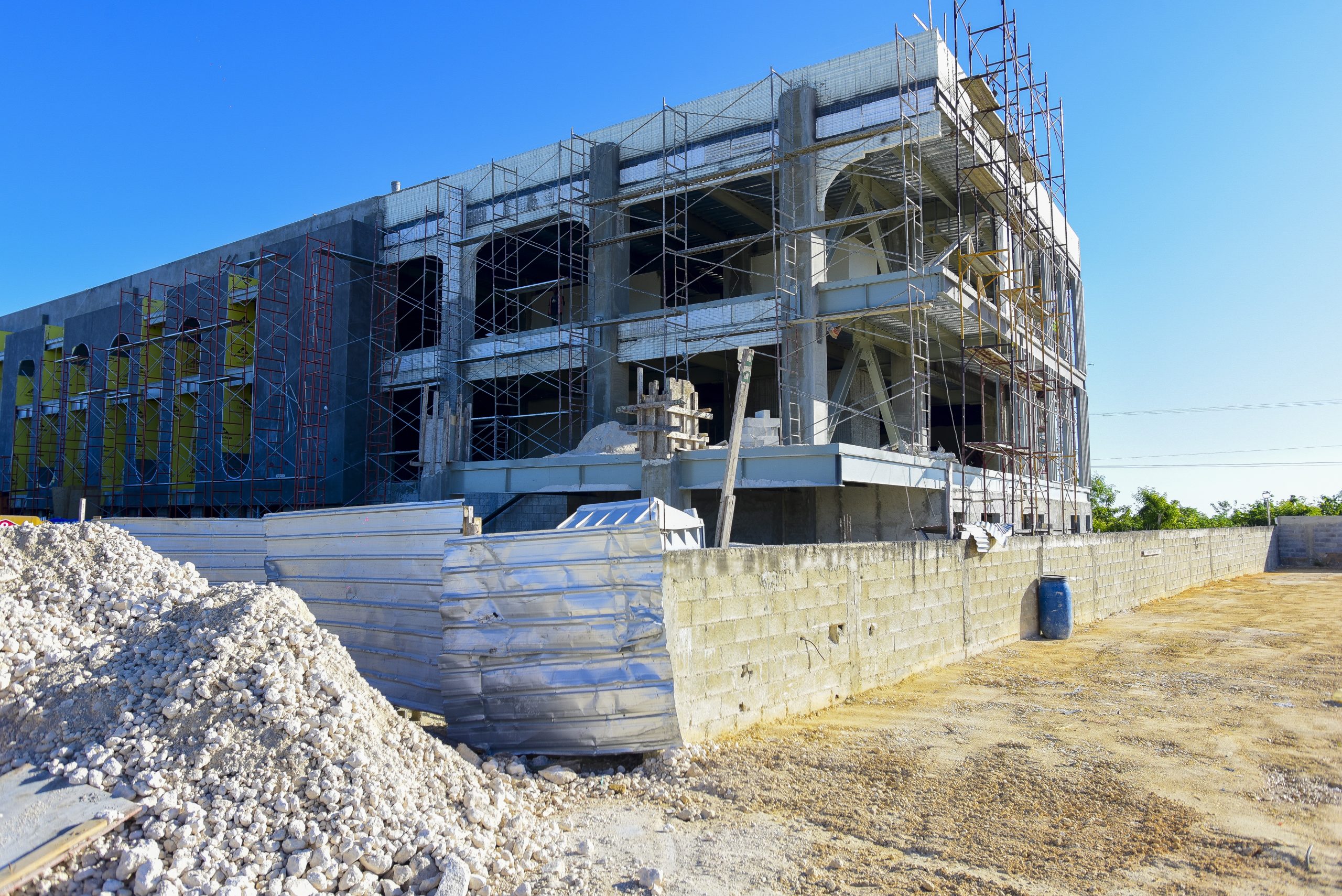
SANTO DOMINGO. – The construction sector became the largest recipient of bank credit in the Dominican Republic during 2025, with growth exceeding 20%, according to data from the National Statistics Office (ONE) and the Central Bank.
The Superintendency of Banks (SIB) confirms that the portfolio destined for real estate and infrastructure projects was the most dynamic, in contrast to a stable monetary environment and declining interest rates.
According to the ONE's macroeconomic bulletin, loans to the construction sector reached RD$167,401 million in 2025, an increase of 20.1% compared to the previous year, while the Central Bank reports that this rate of expansion far exceeded the average growth of private credit in national currency, which was around 8%.
The SIB, for its part, points out that the construction portfolio showed an improvement in quality, with controlled levels of delinquency compared to other sectors.
The report states that manufacturing industries received RD$145,416 million (+10.8%), hotels and restaurants RD$111,752 million (+10.3%) and agriculture RD$71,643 million (+10.7%), for a total of consolidated loans of RD$2.5 trillion, of which 26.9% corresponded to consumption, reflecting the weight of domestic demand.
On the monetary front, the Central Bank maintained the monetary policy rate at 5.25% at year-end, while lending rates fell from 13.95% in October to 13.28% in December. Monetary aggregates also grew: M1 (currency in circulation) increased by 10.6%, M2 (broad money supply) by 9.6%, and M3 (money supply) by 11.7%, indicating sufficient liquidity in the financial system.
The contrast between a highly dynamic construction sector and a stable monetary environment presents a scenario of opportunities and challenges: while banks are driving real estate and infrastructure projects, the institutional challenge will be to ensure that this credit translates into sustainable growth and improvements in quality of life.
Recommended readings:







