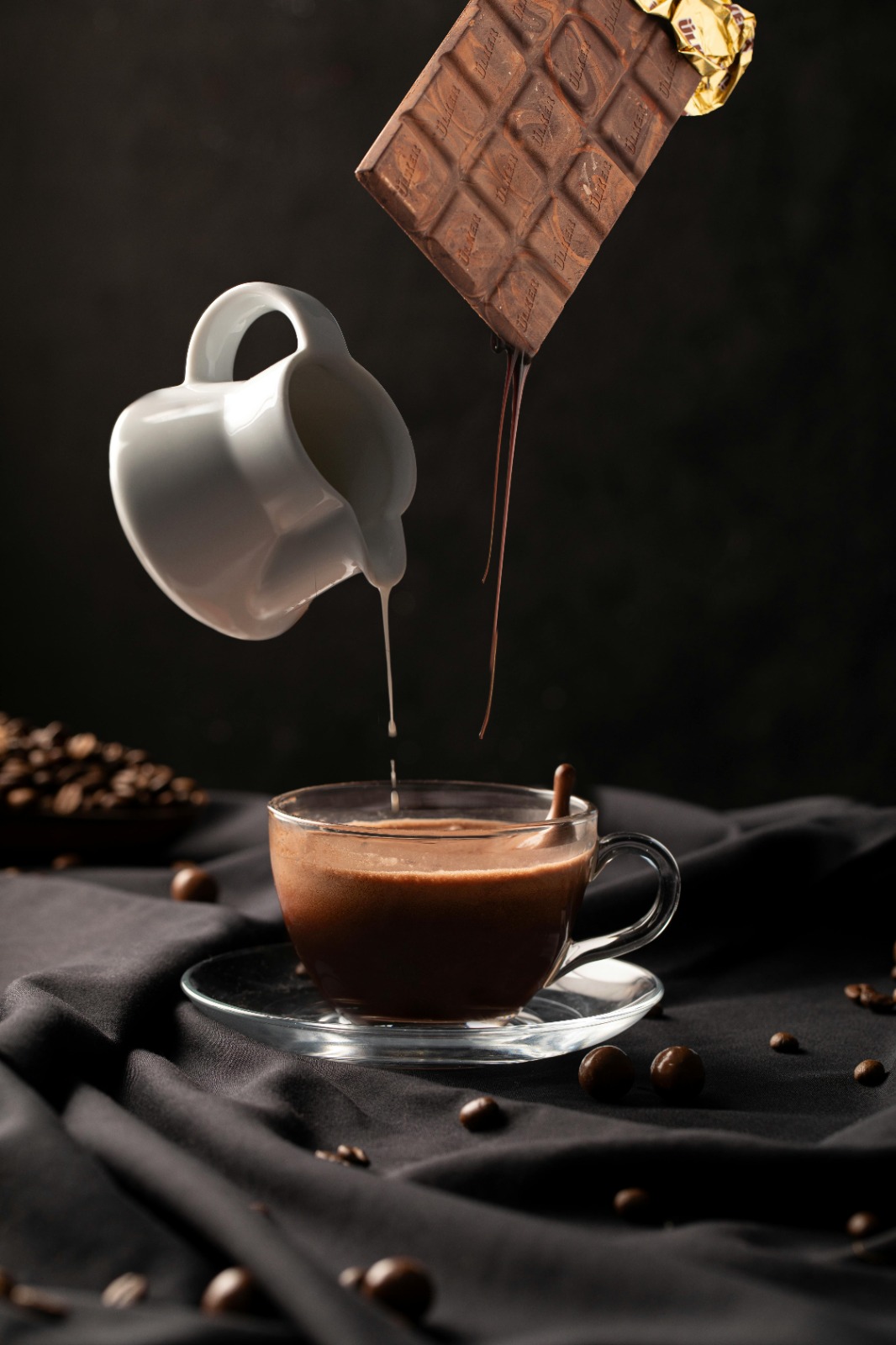
When it rains, the "chocolate mode" is activated, which is extremely contagious and doesn't come alone; it is accompanied by the most dangerous craving: water bread with butter.
SANTO DOMINGO – In this country, when it rains, the nights are filled with the scent of spices, nostalgia, and cozy comfort. It's not just the sidewalks that get wet: memories awaken, and that fragrance escapes through the cracks in the houses, crosses the patios, and climbs through the windows. Because it's impossible to contain those aromas, they simply share themselves.
Almost everywhere you look, the air smells of chocolate, of ancient memories that evoke nostalgia, childhood recollections. And we try to guess what spices each person added, since recipes vary depending on who made it and where they're from.
“With water or with milk, and enjoy!” said that advertisement, and that’s how we grew up, knowing that it’s delicious both ways and invites people to get together, to eat chicken, or to sit in a rocking chair watching the rain fall, or to read a book of poems. Benedetti’s “Inventory,” for example.
With or without allspice, with or without nutmeg, with or without cloves, but always with cinnamon.
Some people are daring and add star anise or cardamom, how fancy!.
What's essential is a pinch of salt. No more, no less. Just the right pinch, and my grandmother had that measure in the palm of her hands, the same hands she used to hold the whisk and, in an almost supernatural dance, produce the rich foam. And she never added sugar. Neither do I.
When that unspoken announcement comes through the air, "chocolate mode" kicks in—extremely contagious, and it doesn't come alone; it's accompanied by the dangerously tempting buttered bread. If there isn't any, you even invent it, and how delicious it is to dip it in your mug and watch it steam.
Memory and culture
This aspect of our culture blends the desire for warmth with cherished memories. For generations, hot chocolate has been synonymous with emotional comfort, as grandmothers would prepare it on gloomy days, transforming it into a ritual of contemplation and care.
Those sunless days, with downpours or intermittent rain, are a prelude to a sunset or night fragrant with spices, warm company, or comforting reading.
Place a heavy-bottomed pot over high heat with the water, a pinch of salt, and the chosen spices, adding them one by one, starting with the cinnamon. When the water begins to simmer, add the crushed chocolate tablets and reduce the heat to low. Let the heat and the alchemy work their magic, seducing the chocolate until it melts.
Here I'll reveal one of my tricks: when a little foam forms that threatens to burst out of the pot, like someone carefully signing a letter, I add a splash of almond essence and a splash of golden rum. The steam becomes perfume, and the kitchen, a sanctuary. I start whisking like there's no tomorrow, with a wire whisk—you don't see the old ones anymore. That was my grandmother's secret: whisk it until the foam forms a cloud, then remove it from the heat.
Serve it in a cup, a small mug, a bowl. It doesn't matter, that hot chocolate will warm your hands, your soul, and even your thoughts. Whether you're alone or with company, that cup embraces you without formalities: just the ritual of sitting down, watching the rain, and letting the hot chocolate sing in your ear.
This recipe isn't meant to impress, but rather to accompany. It's a drink that tastes of childhood, of the countryside, of leisurely conversation. And when the neighborhood smells of chocolate, everyone knows it's going to be a good night.
Interestingly, although cacao originated in America, cultivated and revered by the Mesoamerican peoples, it was in Spain that hot chocolate found its thick and ceremonial form.
The conquistadors brought cacao to the Old World, where it became a comforting and festive winter drink. Today, in both Santo Domingo and Madrid, although in the latter it has a creamy texture, hot chocolate remains a symbol of warmth, relaxation, and shared memories.