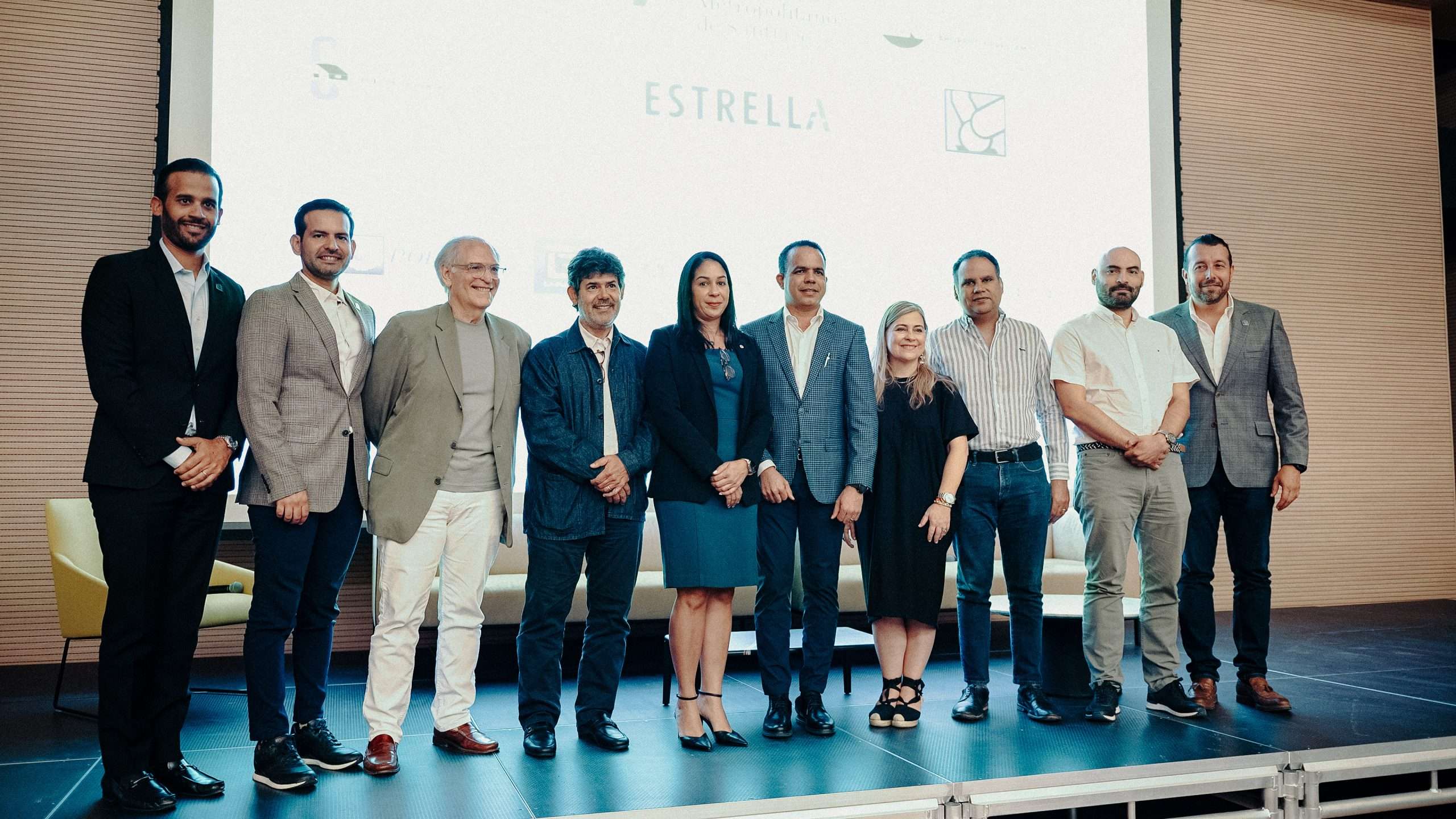
The experts participated in the forum sponsored by Aprocovici to strengthen planning and urbanism in the municipality of Santiago.
SANTIAGO DE LOS CABALLEROS.- At the conference “Planning and Urbanism: the Medellín case”, prominent engineering and architecture professionals analyzed the importance of collaboration between public and private actors, as well as citizen participation, for the creation of an urban plan that responds to the needs of this Cibao population.
The panelists agreed that integrating diverse perspectives and adopting successful models, such as that of the Colombian city of Medellín, are fundamental to addressing urban challenges and promoting inclusive and sustainable development.
The event, organized by the Cibao Association of Housing Developers and Builders (Aprocovici), featured presentations by Colombian architects Jorge Pérez Jaramillo and Giovanna Spera, as well as Camilo Chaverra, general manager of MDE Urban Lab. Later, in a panel discussion, Dominican architects Gustavo Moré, Daritza Nicodemo, and Gustavo Valdez shared their perspectives on territorial planning.
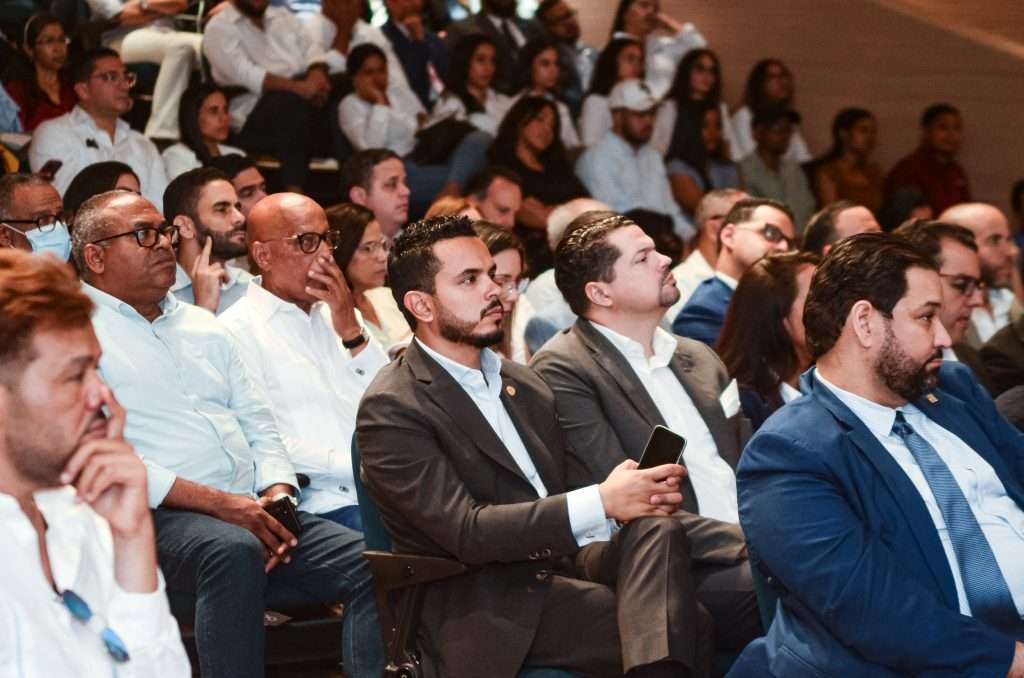
Numerous representatives from the construction sector attended the meeting. (External source).
Moderator Juan Camilo Medina highlighted the progress Medellín has made in the last 30 years, attributing it to the adoption of widely accepted urban models, including planning, landscape design, and new intervention strategies.
Architect Jorge Pérez Jaramillo emphasized the importance of territorial, economic, and social planning for transforming the urban environment. He stressed the need for collective agreements for Santiago's development and highlighted that effective public policy and a committed government are crucial for solving urban problems by using resources strategically.
Architect Giovanna Spera mentioned that through urban design and the application of specific strategies, it is possible to improve the conditions of public spaces, which can attract more people to the city, even if they are unfamiliar with it. She explained that Medellín has experienced remarkable urban development, initially driven by the private sector, which included tree planting, the study of native species, and preparing the city for a greening process—one of Medellín's greatest achievements.
For his part, Camilo Chaverra emphasized the importance of living in harmony with the environment. He noted that Medellín is one of the cities most affected by pollution and that environmental management was key to its transformation. He indicated that this success is largely due to the role of universities, which have been the starting point for the achievements attained.

Exhibitors and directors of Aprocovici. (External source).
In the discussion, Dominican architects Gustavo Moré, Daritza Nicodemo, and Gustavo Valdez presented their vision on territorial planning. Gustavo Moré emphasized the importance of implementing more architectural competitions, as they are effective methods for obtaining the best project ideas.
Next Steps
The panelists agreed that integrating diverse perspectives and fostering effective collaboration among government entities, the private sector, and citizens will enable the creation of tools to implement plans that improve the city. They recognized that adopting proven models, such as Medellín's, is essential to addressing urban challenges and promoting inclusive and sustainable development.
The president of AprocoviciI, Sandy Rodríguez, stated: “We have a duty to create the cities we want. All sectors must work together so that every green space, every park, and every corner breathes sustainability, and where urban development is not synonymous with destruction, but with harmony with nature. It is our responsibility, as leaders and citizens, to lay the foundations for a sustainable city, one that not only meets the needs of the present, but is also prepared for the challenges of the future.”.
Rodríguez also commented that the sessions held during the week with different stakeholders, such as the Department of Urban Planning, the Territorial Planning Plan (POT), the Strategic Development Plan, Visit Santiago, and the Mayor's Office, were very useful in defining the next steps. Mayor Ulises Rodríguez supported the initiative and approved continuing to work to strengthen planning tools.
Aprocovici will continue to promote these types of spaces for dialogue and learning that foster sustainable urban development in Santiago.