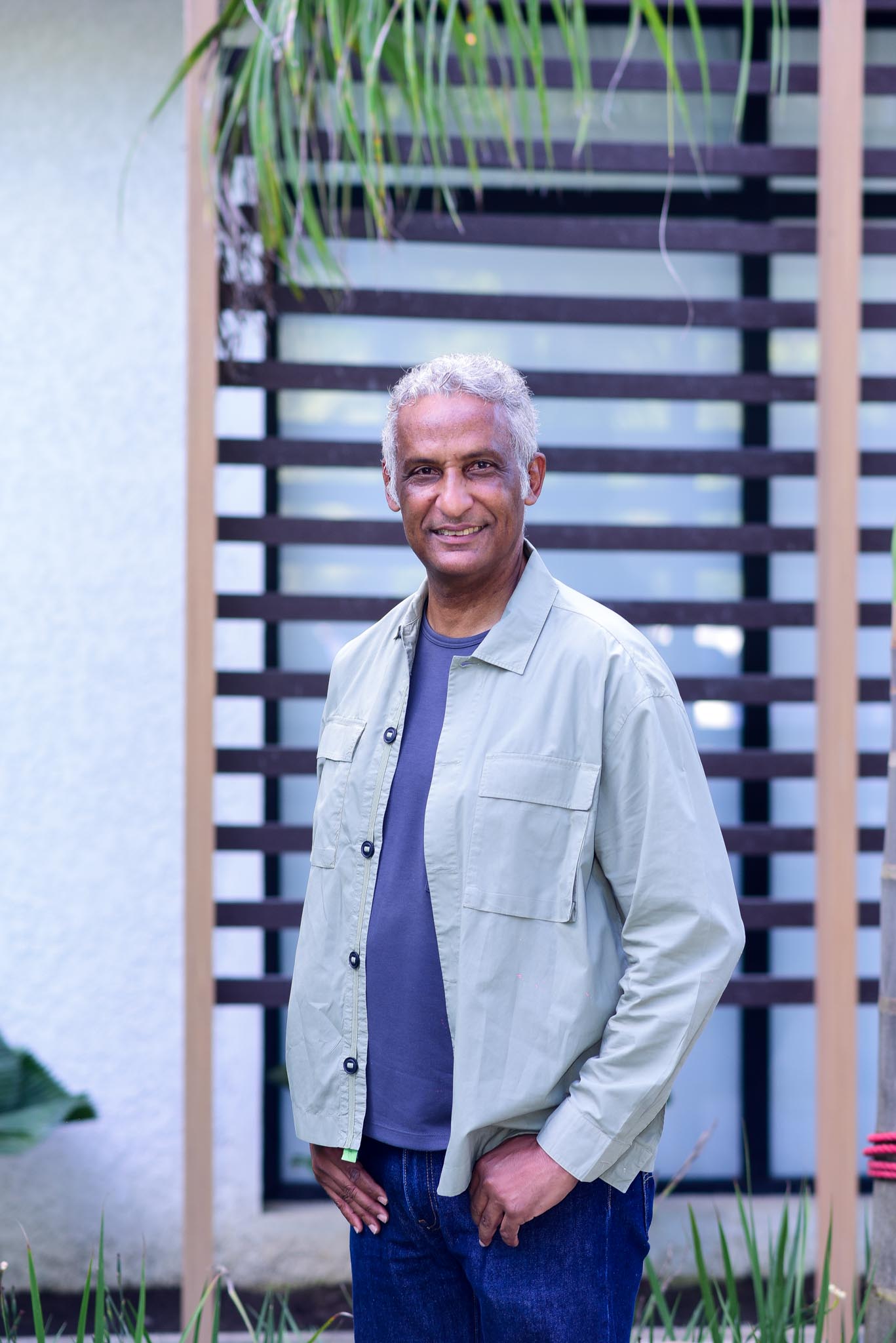
SANTO DOMINGO.- Architect Roberto Rijo believes that the concept of sustainability in Dominican architecture has become more of a selling point than a concrete action.
“An image of sustainability has been implemented. It’s being used a lot as a selling point. We say that our project is green, that it’s sustainable, but when you look at the implementations that support that discourse, there aren’t any,” he stated.
Rijo added that even the proportions of green areas don't reflect a genuine concern for the issue. He pointed out that even if a project features green spaces, that doesn't mean there's a real commitment to sustainability.
state policies establishing clear regulations are required . These regulations should require projects presented as sustainable to meet specific requirements. Without such regulation, he said, there is no real way to verify whether a project truly is sustainable.
Certifications and real commitment
The architect emphasized that international certifications as a guide. He noted that some projects in the country have obtained them and others are in the process, but there are also cases where they are used solely for commercial purposes.
Rijo explained that these certifications have different grades and levels, and that each one implies a particular level of responsibility. That's why he considers it important to know the type of certification to understand the true commitment of the project.
The architect stated that, as long as there are no clear policies and a genuine commitment, sustainability will continue to be used as a selling point and not as a real practice in Dominican architecture.
Current trends in Dominican architecture
Architect Roberto Rijo explained that architecture in the Dominican Republic is primarily focused on two areas : residential and commercial projects. He noted that these are the sectors where most design and investment takes place, both from private firms and developers who are driving new construction in the country.
The expert emphasized that this trend reflects a constant demand, but also a limitation in the national architectural landscape. He indicated that there is a marked lack of resources in the development of institutional projects, including public buildings, government spaces, and works of social impact that often define the identity and functionality of a city.
Furthermore, the architect pointed out that the situation is even more critical in the cultural and urban planning sectors. He emphasized the lack of projects focused on culture, public spaces, urban planning, and city design—essential elements for balanced growth. In his opinion, this absence has generated a significant lag in key sectors for the country's comprehensive development.