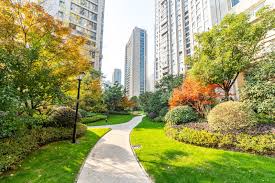
Landscape architect Massiel Mejía explains that regenerative design and the use of native vegetation define the criteria applied in urban and residential projects.
SANTO DOMINGO. -The use of native species, climate resilience and the design of green spaces oriented towards human well-being are among the main practices that define sustainable landscaping in 2026, according to landscape architect Massiel Mejía.
According to the specialist, landscaping has a direct impact on the quality of life and the environmental response of cities, as it is integrated as a functional part of projects. "Nature is no longer integrated as a decorative element, but as an essential part of the project," she stated
Regenerative approach to landscaping
Among the criteria applied in landscape design is the regenerative approach, focused on restoring the environment and recovering ecosystems.
In an interview with El Inmobiliario, Mejía explained that “we focus on creating authentic, regenerative and resilient landscapes, thoroughly analyzing the contexts and living areas where the projects are developed.”.
Use of native and endemic species
The use of native, indigenous and endemic species remains one of the main criteria for reducing water consumption and ensuring adaptation to the local climate.
According to the architect, this selection allows for less maintenance. “We use them intelligently and strategically according to the context of each project,” she noted.
Urban spaces and well-being
In urban projects, sustainable landscaping prioritizes the creation of spaces that provide direct benefits to people's health and well-being.
“Well-designed parks and public areas provide shade, reduce temperatures, and improve well-being in daily life,” Mejía said.
Permeable surfaces and water management
Among the practices that are applied is also the increase of soft and permeable surfaces, with the aim of promoting water infiltration.
“We aim to ensure that hard surfaces do not disrupt the natural processes of the soil,” he explained, referring to the use of materials that promote permeability.
Aesthetic criteria in design
In terms of visual design, contemporary landscaping is oriented towards a naturalistic and spontaneous style, prioritizing more organic compositions.
“This approach allows us to create spaces that respect the flora and fauna and that, at the same time, are functional,” he noted.
Mejía indicated that functionality, aesthetics and environmental commitment are criteria that are evaluated together in landscape projects.
“Each of these aspects is important to achieve a real balance between human beings and nature,” he stated.
The architect emphasized that public space projects have a significant urban, social, and environmental impact.
In that regard, he noted that "urban parks remain in the collective memory and demonstrate the benefits of a well-planned landscape.".
By 2026, these practices will continue to solidify as part of the criteria applied in urban and residential projects.