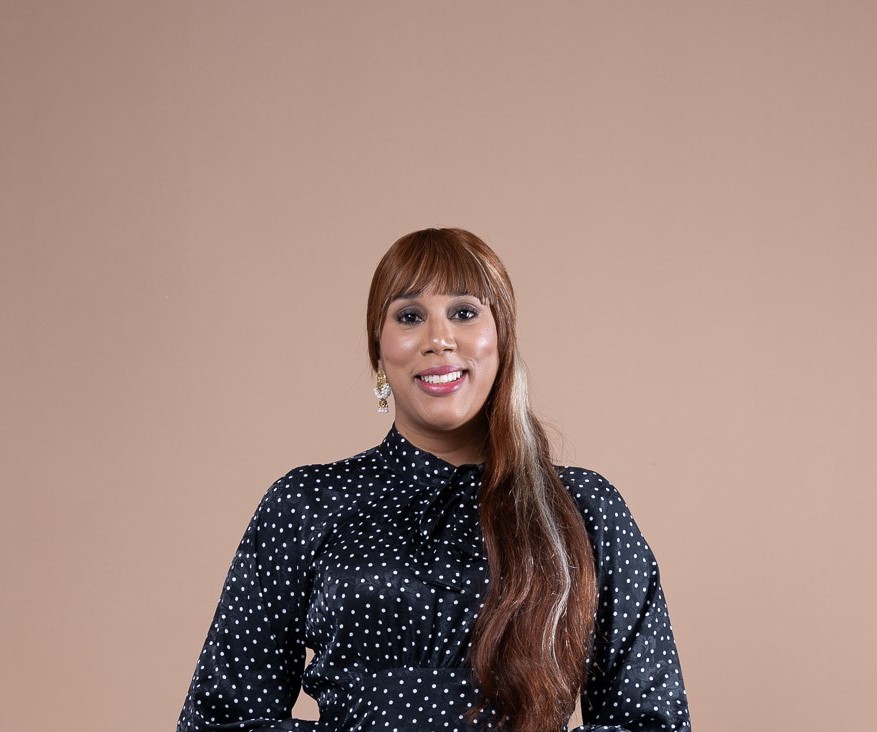
Last Thursday I returned to my duties after that necessary break I mentioned. I started by preparing a training session for the team, something that's now part of my new role as Organizational Development and Culture Coordinator at the construction company where I also provide public relations services. During a conversation with the founders, we were reviewing the values that define the company. And without hesitation, the three of us agreed on the one that has become our guiding principle: integrity. Doing what's right, not what's politically correct.
And that's precisely what I want to talk about today. Because pointing out what's wrong is easy when it happens far from our own sphere of influence. It's comfortable to be indignant from a distance. But what happens when life presents us with the opportunity to take a shortcut for a greater benefit, and no one is watching?
What do we do when there are no applause, no witnesses, no immediate consequences beyond our own conscience? Do we stand by what is right, or do we fall into the comfortable embrace of what is wrong, that which winks and justifies itself with a "well, no one will see it"?
Political correctness often masquerades as normality. It relies on phrases like "everyone does it" or "it's not that serious." We talk about "white lies" as if lies had colors, about "licenses" that are, at their core, concessions to mediocrity. But there are always role models—people, companies, cultures—that choose to do the right thing even when it's difficult.
The construction sector is a perfect setting to explore this dilemma. Those of us who work on the blueprints, renderings, supervision, sales, or marketing side know it well: building a project with excellence is almost a Herculean task. Delivering a project on time, with the promised quality, and maintaining a high standard at every stage is far more challenging than the average client realizes.
I've witnessed these processes firsthand from various perspectives. And the truth is clear: even if we want to do things right, not everything is always within our control. We're not the ones laying each block, pouring the concrete, aligning walls, or checking every inch of the electrical wiring. Sometimes, even with constant supervision, situations arise where the details don't go as planned. And that's when we have to swallow our pride.
But that's where integrity begins. In deciding not to justify shortcuts or embrace mediocrity as if it were an inevitable part of the process. It's about reminding employees, from the moment they arrive, that things are either done right or not at all.
Because in construction, integrity is manifested in concrete actions: it's the worker who carefully handles a piece of imported material because they know that if they break more than expected, there won't be enough stock for replacements. It's the plumber who decides not to "fix" a leak with a makeshift adjustment because that would compromise the entire system. It's the electrician who avoids leaving a junction box uneven so as not to affect the final appearance of the building. It's the painter who doesn't dilute the paint too much to "stretch it." It's the supervisor who doesn't give in to the infamous "it's staying like that, boss, it's not visible.".
These small acts, accumulated, define the culture and reputation of a construction company.
Because ultimately, integrity isn't a statement of principles hanging on the reception wall. It's what we do when no one's watching. It's the material that doesn't get damaged because someone decided to take care of it. It's the leak that gets fixed properly even if it takes longer. It's that non-negotiable standard, even when the shortcut is right there, winking.
In times where shortcuts abound, choosing integrity not only makes a difference: it builds trust, reputation, and works that can look us in the eye.