Tropicalia, the sustainable luxury tourism and real estate development, presented its 14th Sustainability Report (2024), prepared in accordance with the Global Reporting Initiative (GRI) Standards, the most widely used global framework for sustainability reporting. This edition also incorporates, for the first time, the Sustainability Accounting Standards Board (SASB) Standards and includes its materiality survey, strengthening transparency and accountability regarding its environmental, social, and governance (ESG) management.
A press release explains that the report documents the project's performance through four strategic pillars: integrated business, sustainable design, socio-environmental balance, and community development, which underscores the brand's strong commitment to environmental conservation, social investment, and responsible governance.
The document states that the Four Seasons project implemented Leadership in Energy and Environmental Design (LEED) standards, with the goal of achieving certification upon completion. "This system, globally recognized for promoting sustainable buildings, projects a 25% reduction in energy consumption and a 30% reduction in water usage compared to conventional buildings in the sector," the document highlights.
Tropicalia adds that its commitment to a high-impact model is reflected in its compliance with rigorous international environmental, social, and governance (ESG) criteria. In this regard, Sofía Perazzo, the company's VP of Sustainability, stated: “This 2024 Sustainability Report is more than an exercise in transparency; it is the roadmap that demonstrates that purposeful luxury tourism is not only possible, but necessary. We have shown that development and conservation reinforce each other, prioritizing projects with clear and ambitious sustainability metrics.”.
Environmental management
The project has set a precedent in the region. As highlighted in the report, in the current construction phase, a record 98% of the waste generated on site has been diverted from landfills, exceeding the 75% threshold required for LEED certification. Furthermore, more than 3,695 tons of concrete (equivalent to 246 homes) and 30,000 m³ of topsoil were recovered for reuse in landscape restoration, achieving a record level of circularity in the region.
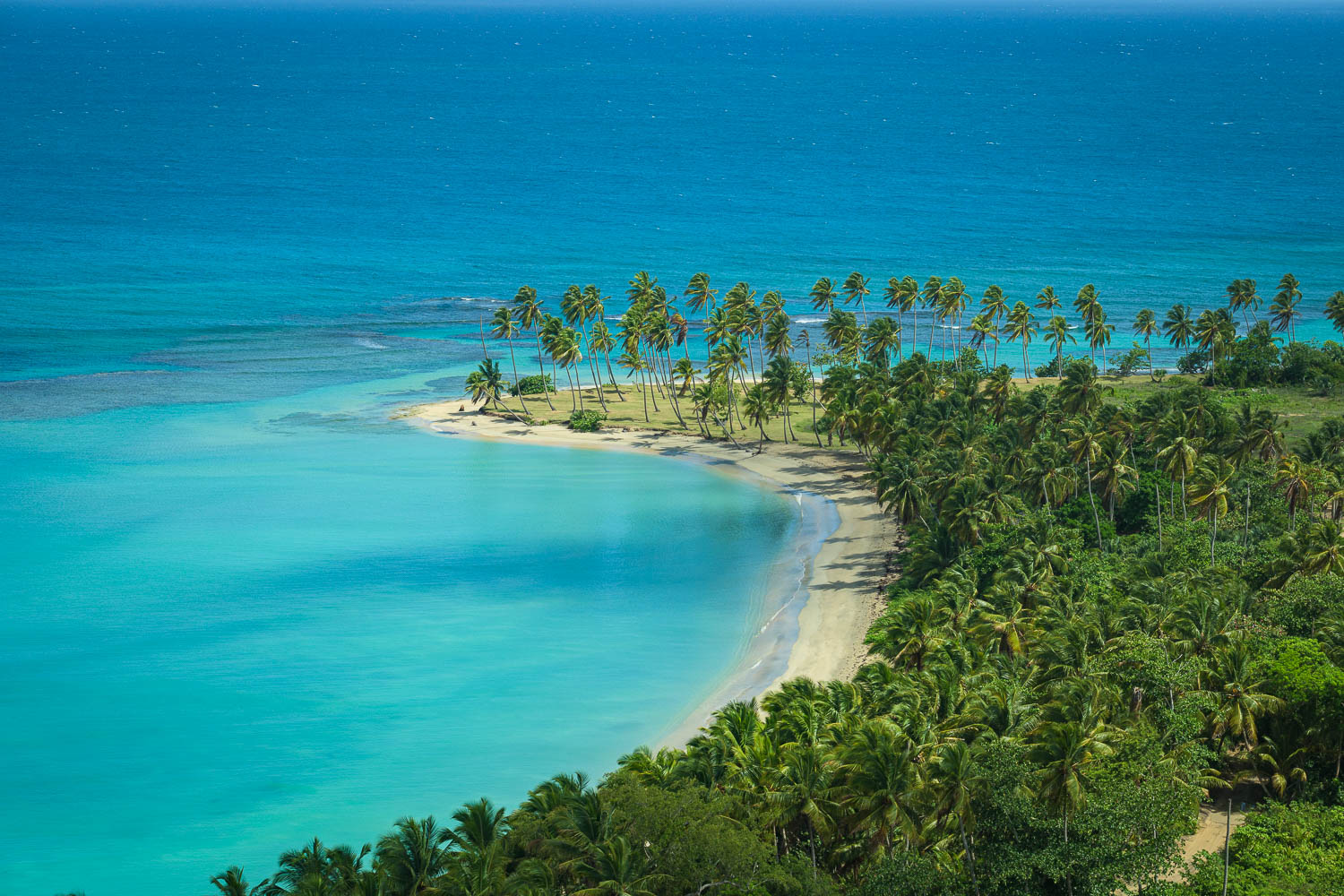
The building footprint of the project represents just 6.8% of the land, with 26.2% dedicated to landscaping and 67% maintained as a natural conservation area, protecting wetlands, dragon tree forests, and coastal ecosystems. This low-density approach is complemented by a lighting design that is 100% compatible with the habitat of sea turtles (≤3,000K) and a landscaping plan featuring native species, ensuring the regeneration of the primary forest and ecological connectivity through wildlife crossings at vehicle access points.
In 2024, soil compaction was completed to meet the elevation requirements for finished floors, reinforcing the project's resilience to climate risks and ensuring its long-term structural integrity. In conjunction with Baird & Associates, several studies on coastal erosion and storm surge risks were conducted, resulting in a minimum finished floor level at Four Seasons Tropicalia of 2.7 meters above sea level.