In a joint circular, the DGII and the DGCP highlighted that this measure will have a direct impact on the traceability of public spending, administrative efficiency, and the fight against corruption.
SANTO DOMINGO. -The General Directorate of Internal Taxes (DGII) and the General Directorate of Public Procurement (DGCP) issued a joint circular ordering that invoices derived from public procurement procedures be issued electronically for payment purposes.
In this regard, both institutions urged state suppliers to regularize their status with the DGII and request authorization as electronic issuers, and also urged contracting institutions to adapt their terms and conditions to ensure compliance with this measure.
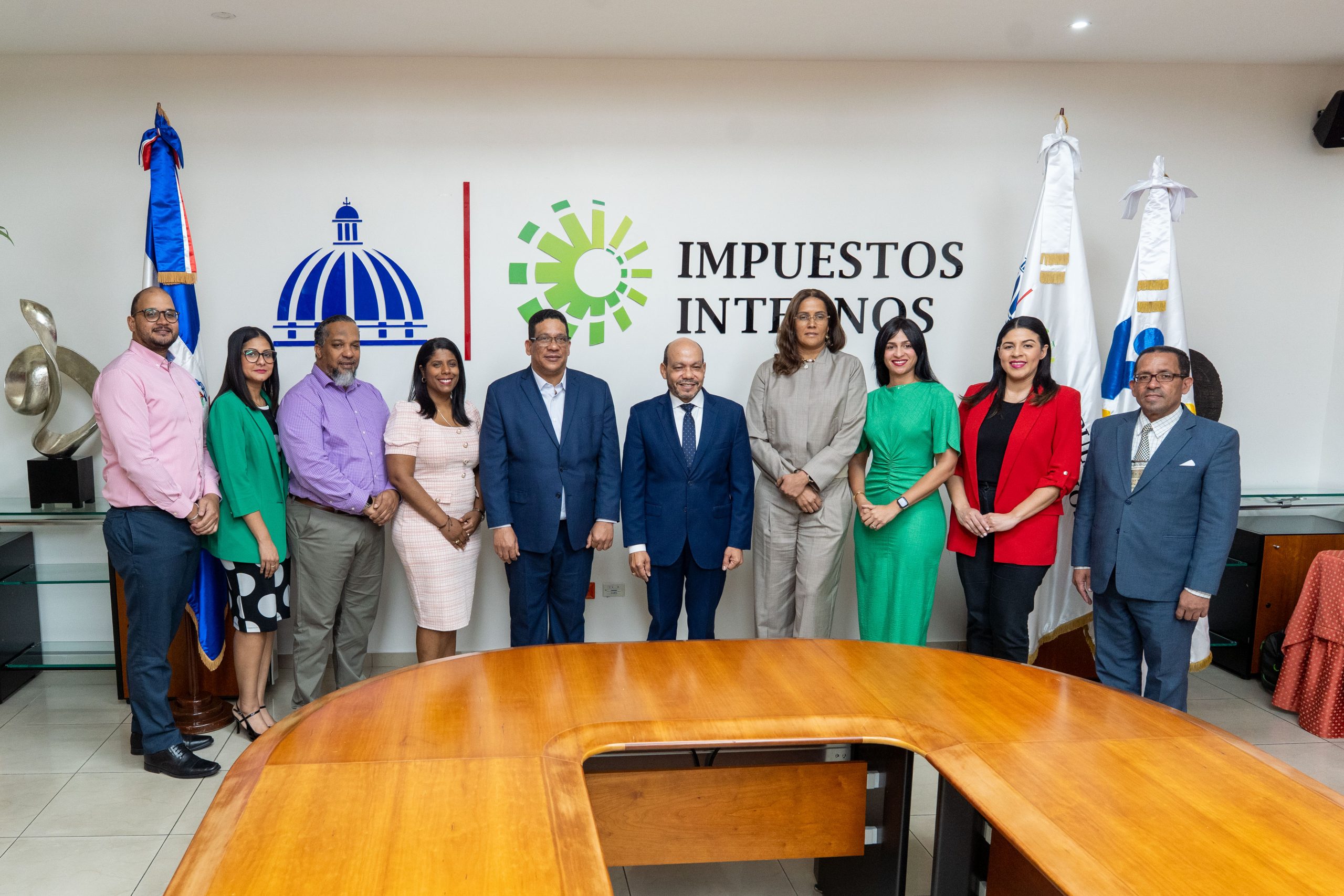
The provision, which complies with the provisions of Law 32-23 on Electronic Billing and Law 340-06 on Public Procurement, was announced during the signing ceremony of the circular, led by the director of the DGII, Luis Valdez Veras, and the director of the DGCP, Carlos Pimentel Florenzán.
Valdez Veras explained that currently 611 large taxpayers have the obligation to issue electronic tax receipts, not only for the DGII, but also when carrying out operations with State institutions.
He emphasized that this obligation also applies to public entities, which must require and manage electronic invoicing in all their purchasing and contracting processes.
“This circular that we are signing today reaffirms the commitment and strengthens inter-institutional coordination between the DGII and DGCP regarding the application of the regulatory framework of Law 32-23 on Electronic Invoicing. This is an important step because it stipulates that all public entities must include in their bidding documents the requirements for contracting and paying for services, thus guaranteeing compliance with the deadlines and processes established by this law,” emphasized the Director General of the DGII.
Meanwhile, Pimentel stated that the implementation of electronic invoicing in public procurement processes represents a firm step towards a more transparent, efficient and traceable management of public spending.
“With this measure we strengthen accountability, facilitate interoperability between institutions and contribute to a more modern and responsible public administration with state resources,” said the Director General of Public Procurement.
The joint circular instructs contracting institutions to include in the "Payment Conditions and Withholdings" section of their bidding documents the requirement for suppliers to issue electronic invoices in order to process payments for goods, services, or works contracted, in compliance with the provisions of Article 20 of Law 340-06 on Public Procurement, as well as numeral 4 of Article 3, which establishes the principle of economy and flexibility.
“Therefore, both state suppliers and contracting institutions must ensure the correct issuance and receipt of electronic invoices, in accordance with current tax and public procurement regulations,” the measure announced in a press release emphasizes.
With this joint circular, available in the Circulars section of the DGCP institutional portal https://www.dgcp.gob.do/sobre-nosotros/marco-legal/circulares/, both institutions reaffirm their commitment to transparency, efficiency, and alignment with international governance standards.