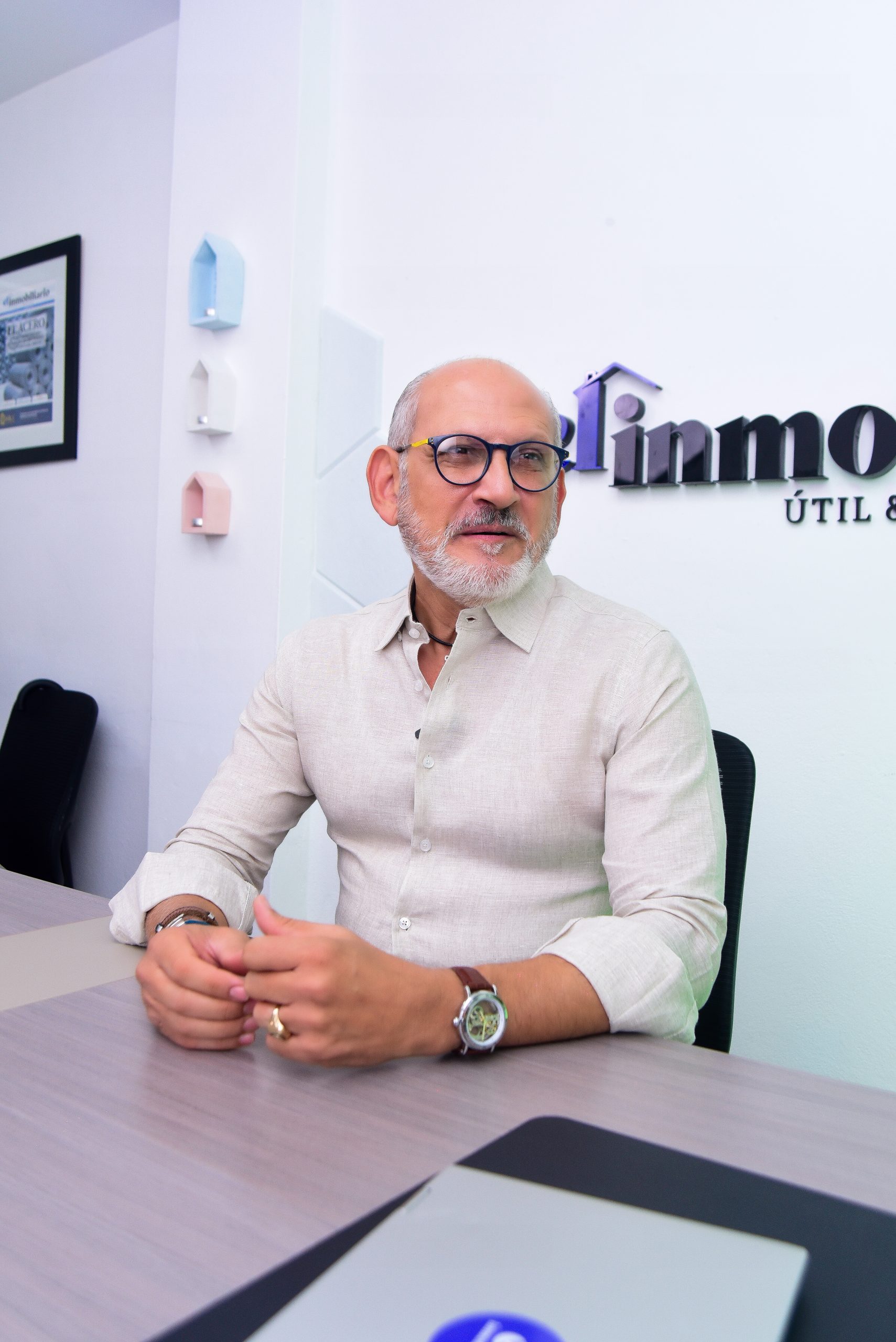
SANTO DOMINGO. -During his participation in the program “ La Ventana de El Inmobiliario ” , architect Edgar Martínez reflected on the current state of the construction sector in the Dominican Republic, marked by recent structural tragedies, questions about the quality of the works and increasing pressure from public opinion.
In his view, the country is at a turning point that requires rethinking the model of technical supervision , regulatory compliance and the responsibility of the actors involved, both public and private.
“A transition process is being forced upon us that Dominican society, neither the public nor private sectors, has yet understood or embraced. Why? Well, the results we are seeing, the Jet Set case, demonstrate a lack of maintenance and recurring monitoring of the structures over time,” the specialist explained.
From his experience of more than 35 years in the area, Martínez has identified patterns that, in his opinion, limit the quality of buildings : absence of specialized controls, execution delegated to personnel without technical preparation and resistance to investing in professional supervision.
The architect explained that his company has developed a system called STIC² , based on technical units by specialty, which allows supervision in accordance with national and international regulations.
He explained that this model relies on specialized teams for each area of the project. Instead of assigning a single general supervisor, the company allocates professionals for each discipline , ensuring more precise control during execution.
“I am making available to you an operational technical unit, that is, professionals from a technical area; there are five professionals in each unit. In other words, five who carry out supervision. For example, the water and sanitation area has five professionals who carry out supervision, even if only one is physically present, and so on in each of the areas,” he explained.
Furthermore, the architect specified that many construction projects in the country operate with serious risks , including workplace accidents that go unreported, with Haitian workers being the most affected.
“There are many construction accidents here that don’t come to light. Well, equipment falls on workers, and I’m not going to mention companies, but the developer here is big, in the Punta Cana area, heavy equipment falls on workers and they’re left there, many of them Haitians,” he said.
The expert, who was interviewed by the founder and director of El Inmobiliario , Ana María Ramos, recalled that the Dominican legal framework establishes clear obligations for those responsible for the works.
“Article 1646 of the Civil Code establishes a 10-year civil liability for those of us who carry out the works, even if the developers are not professionals in the field. In other words, you have a responsibility, and it has to function properly for at least those 10 years,” he emphasized during his speech.
To learn more about this interview, we invite you to watch this new episode of the program “ La Ventana de El Inmobiliario ” on our YouTube channel.