


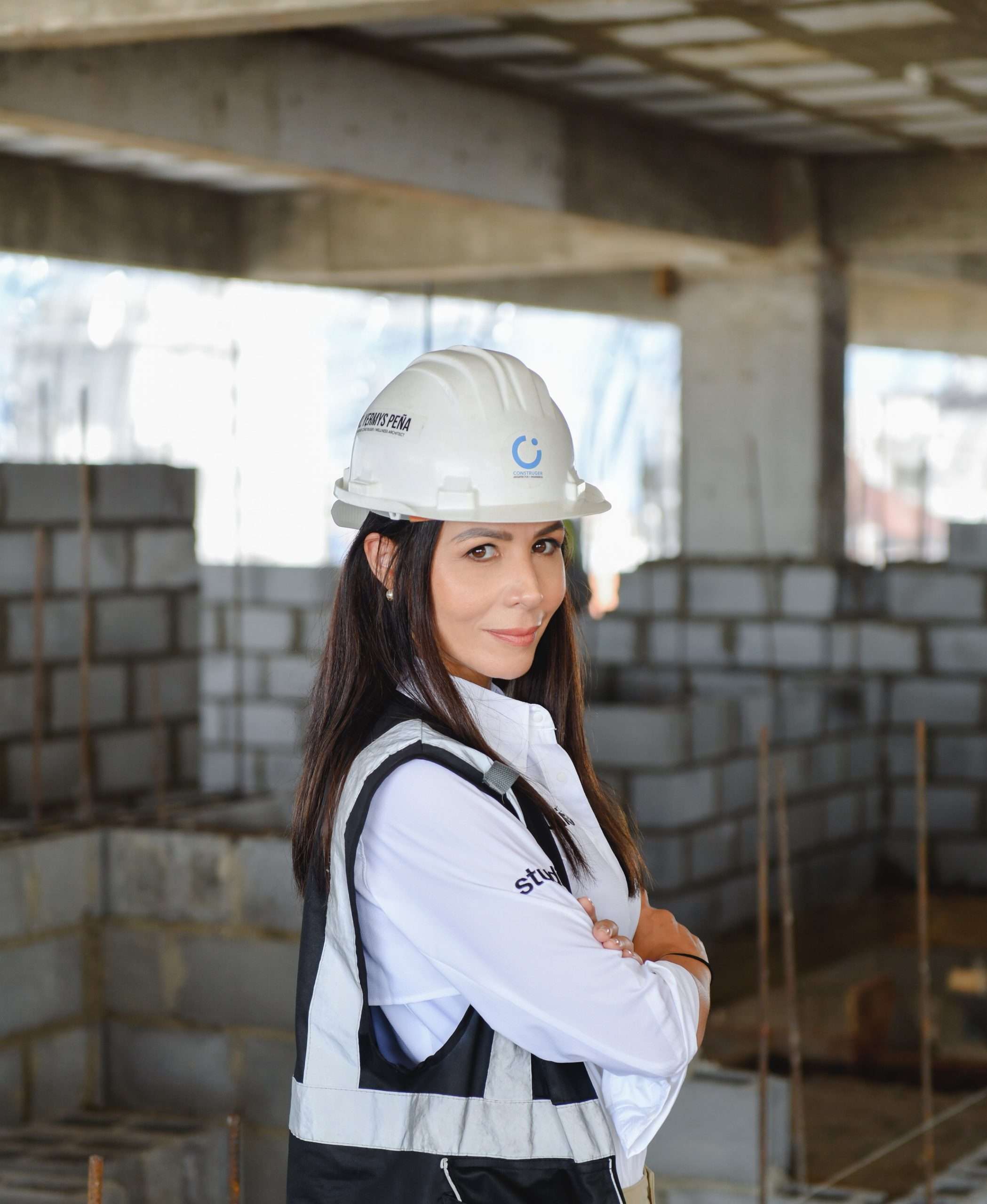
By Yermys Peña
Special for el Inmobiliario
The recent wildfires in Los Angeles not only shock us with their devastation, but also offer a lesson in the tangible effects of climate change and the importance of preparedness. Although this crisis occurred in California, it has clear implications for island nations like the Dominican Republic, where the impacts of climate change are increasingly visible and vulnerabilities are difficult to ignore.
A changing climate and its consequences
Climate change is intensifying extreme events worldwide, and the Los Angeles wildfires are a prime example. High temperatures, combined with prolonged droughts and the phenomenon known as "hydroclimatic whiplash" (alternating periods of intense rainfall and extreme drought), are creating fertile ground for natural disasters.
This same climate change is already affecting the Caribbean islands. Although we don't face wildfires on the scale of California, we are experiencing rising sea levels, more intense heat waves, and more frequent and destructive hurricanes. These events, like the wildfires, highlight the urgent need to prepare and plan for an uncertain future.
Lessons in inefficiency and preparedness
The response to the Los Angeles wildfires also reveals a critical issue: the lack of adequate infrastructure for managing disasters. Outdated equipment, a shortage of trained personnel, and inefficient systems for mobilizing resources have hampered the response.
For island nations, where resources may be even more limited, this should serve as a reminder of the importance of anticipating problems. Are we investing enough in resilient infrastructure? Are we prepared to handle an increase in climate disasters? These are questions that must be at the heart of political, economic, and urban planning decisions.
For example, in Los Angeles, questions were raised about why seawater wasn't used to fight the fires. While it seems like an obvious solution, saltwater has technical and logistical limitations: it damages equipment, negatively impacts the soil, and transporting large quantities from the coast can be complex and expensive. This underscores the importance of designing specific solutions tailored to each context, something also vital for island nations.
The role of sustainable architecture
In the Caribbean, architecture and urban planning can play a crucial role in climate change adaptation. Here are some strategies we should prioritize:
- Resilient design: Building structures that can withstand hurricanes, floods, and other extreme events, using local materials and self-sufficient energy systems.
- Sustainable territorial management: Implement plans that reduce risks, such as mangrove protection, reforestation, and proper management of natural resources.
- Technology and innovation: Adopt solutions such as sensors for early detection, renewable energy systems and efficient urban design to reduce vulnerabilities.
- Integration with the environment: Designing buildings that work with nature, not against it, promoting the regeneration of ecosystems.
The future of the islands and the 2030 agenda
The fires in Los Angeles are a stark reminder that climate change is not a future threat, but a present reality. For islands like the Dominican Republic, this means we must view climate change not only as a challenge, but also as an opportunity to lead in sustainability and resilience.
The 2030 Agenda, with goals such as Climate Action (SDG 13) and Life on Land (SDG 15), should serve as a framework. Investing in sustainable infrastructure, climate education, and appropriate public policies is not a luxury; it is a necessity.
A warning turned into action
The events in Los Angeles may feel distant, but they reflect problems we also face. From biodiversity loss to challenges in resource management, islands share a vulnerability to climate disasters. However, with strategic planning, smart investments, and a commitment to sustainability, we can transform those vulnerabilities into strengths.
As an architect and sustainability expert, I've seen firsthand how responsible design and construction can make a real difference. Projects that integrate energy efficiency, ecosystem regeneration, and innovative technologies not only reduce environmental impact but also help communities thrive in the face of climate change.
A clear call to action
The fires in Los Angeles are a stark reminder that climate change doesn't wait, and island nations like the Dominican Republic are on the front lines of this battle. We cannot ignore the lessons these events teach us. It is time to prioritize investments in resilient infrastructure, foster sustainability in every architectural and urban development project, and plan to protect our communities from an increasingly uncertain future.
Climate change is the greatest challenge of our time, but it can also be an opportunity to transform our cities and our environment into beacons of innovation and resilience. What we do today will determine the future we leave for generations to come. Taking action is not just an option; it is our responsibility.







