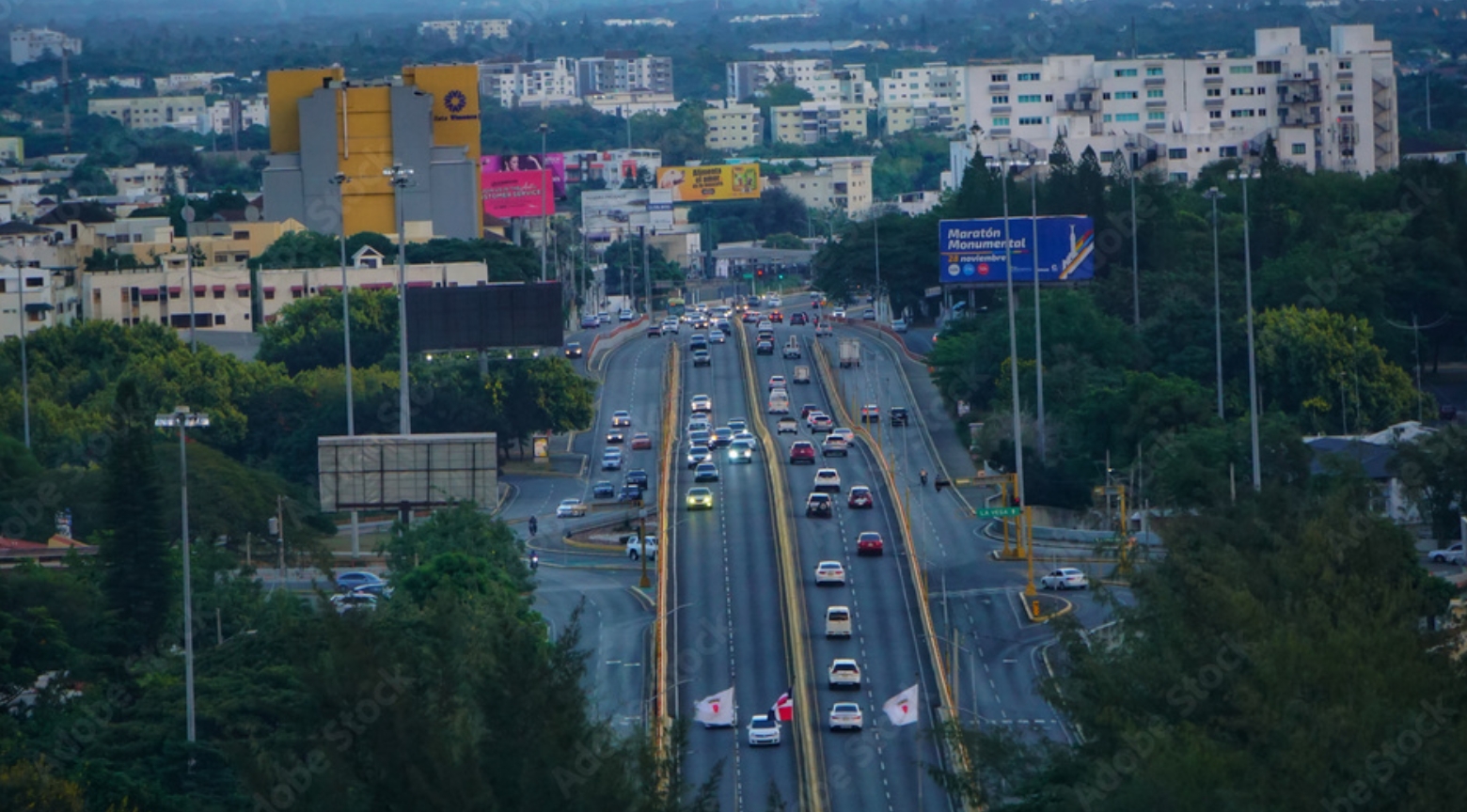
The streets, avenues, and highways that bear the name of Juan Pablo Duarte are not mere landmarks on a map. They are, in many ways, the most everyday way to experience Dominican history. From the Duarte Highway, which connects Santo Domingo with the heart of the Cibao region, to the countless "Duarte Streets" that crisscross towns and cities, his name runs through the country as a living extension of his vision for the nation. Duarte did not remain confined to books, monuments, or patriotic holidays. He became synonymous with transit, commerce, neighborhoods, street corners, markets, and avenues. Every time someone says, "I'm going down Duarte," they are unknowingly passing through the memory of the man who dreamed of a free and sovereign Republic.
It's no coincidence. Juan Pablo Duarte founded La Trinitaria on January 16, 1838, when the idea of independence still seemed more like an act of faith than a real possibility. Six years later, on February 27, 1844, that dream materialized with the proclamation of the Dominican Republic at the Puerta del Conde. That project of freedom cost him persecution, expulsion, and a permanent exile, but it ultimately became ingrained in the country's identity. That's why his name is remembered and his legacy is still cherished today.
The origin of a name that became a country
The name of Juan Pablo Duarte is known in every corner of the Dominican Republic because it's not limited to statues, parks, or solemn plazas. It goes much further. It occupies strategic spaces throughout the country. Highways, main avenues, commercial streets, and high-traffic urban corridors bear his name, keeping him alive in daily life. Duarte is not a figure distant from the textbooks studied in school; he is part of the urban landscape of every Dominican city.
Born on January 26, 1813, in Santo Domingo, Duarte was a political and military leader, a visionary. A young man who decided to imagine a country when it didn't yet exist. He envisioned a free Dominican Republic at a time when that idea seemed almost utopian. His life was a total commitment to that ideal, even when it cost him exile and oblivion during his lifetime. That is why his presence in the urban landscape is profoundly symbolic. It can be said that while other national heroes rest in monuments, Duarte walks among the people. He is present in the streets where the country moves.
There exists a patriotic geography where history intersects with mobility, real estate development, commerce, tourism, and housing. In that geography, Duarte is present on the street where public transportation passes, on the avenue where businesses are concentrated, on the road that connects productive regions, on the corner where a neighborhood begins.
Main roads named in honor of Juan Pablo Duarte
National roads
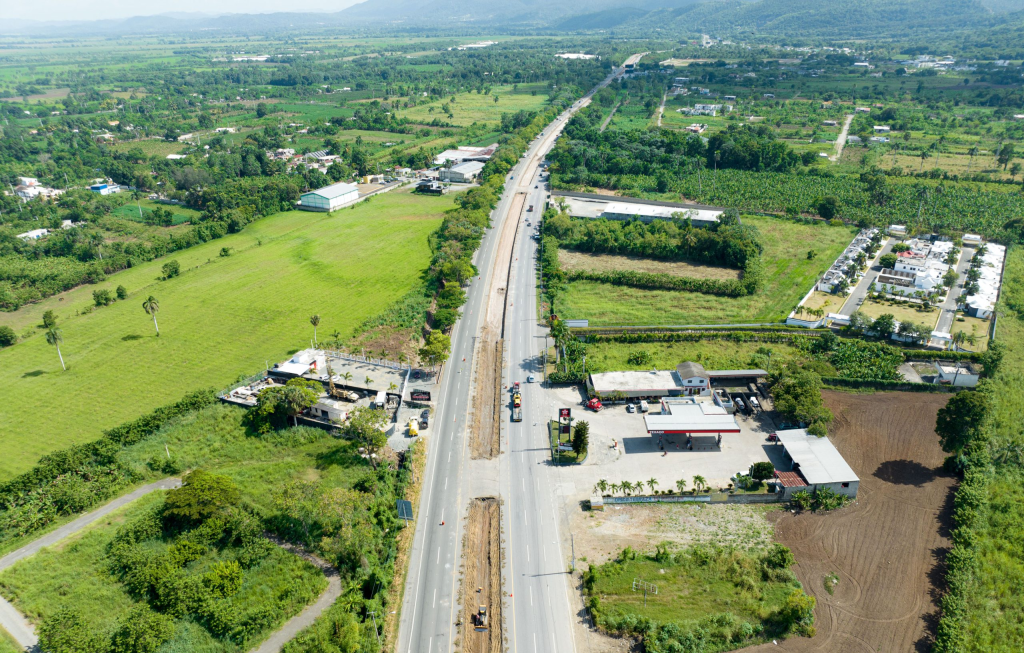
- Duarte Highway (RD-1): This is the country's main artery. It connects Santo Domingo with Santiago and extends northwest. It is often referred to as the Juan Pablo Duarte Highway, especially in Greater Santo Domingo. More than just a road, it is the axis that connects the economy, commerce, tourism, and national production. Specifically, it embodies the vision of a united nation that Duarte envisioned in the 19th century.
Santo Domingo (National District / Greater Santo Domingo)
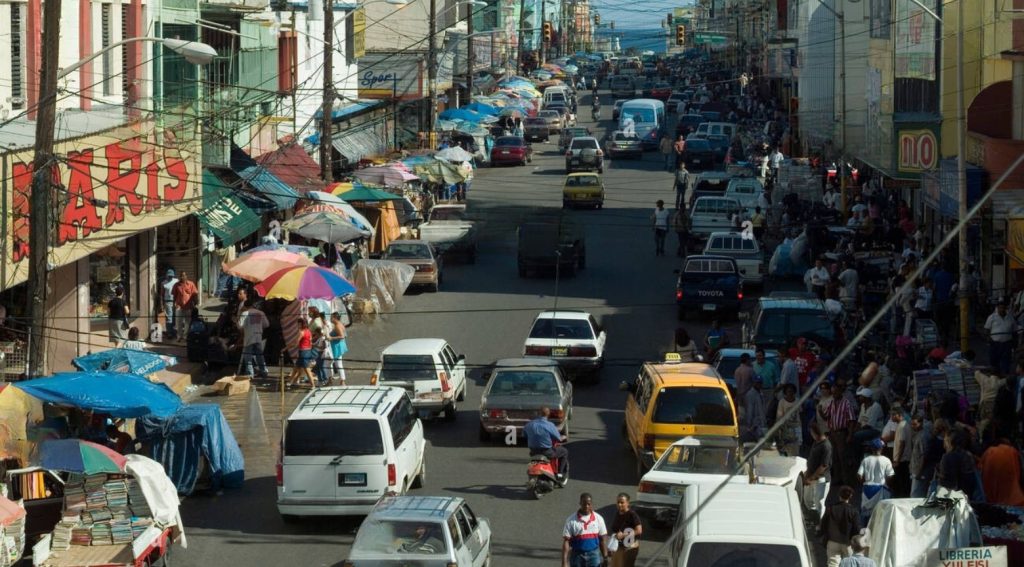
- Duarte Avenue: one of the capital's most traditional commercial thoroughfares. It's synonymous with constant activity, bustling commerce, and vibrant urban life. Here, the name Duarte is intertwined with vendors, shoppers, public transportation, and buildings that tell the city's economic story.
Santiago de los Caballeros
- Juan Pablo Duarte Avenue: a vital thoroughfare for the country's second most important city. It connects different sectors, boosts commerce, and supports urban mobility. Its name reaffirms that Duarte's legacy belongs not to just one city, but to the entire nation.
Cities where “Duarte Street” is a central axis
- Puerto Plata – Duarte Street
- San Pedro de Macorís – Duarte Street
- Higüey – Duarte Street
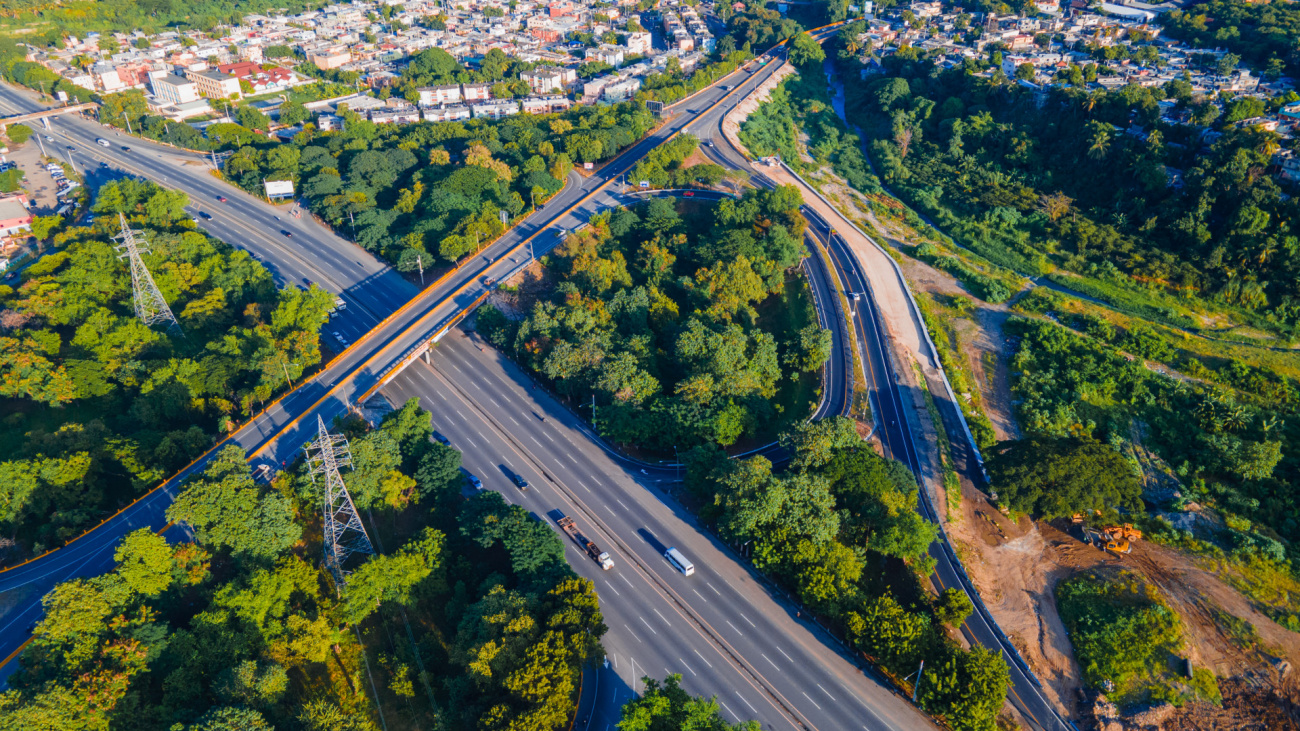
In these cities, Duarte Street is not just any street: it's usually the central hub. It's where the shops, banks, public transportation routes, and everyday life are located.
Other important avenues
- San Francisco de Macorís – Juan Pablo Duarte Avenue
A road that organizes mobility, commerce and urban growth, showing how the name of Duarte continues to shape the territory.
All these roads are the spaces where the city beats strongest, as they concentrate economic activity, public transport, financial services, real estate projects and urban facilities.
What Dominican cartography reveals
Looking at the country on a digital map, Duarte's presence becomes even more striking. The OpenStreetMap shows that in the Dominican Republic there are hundreds of street names such as "Calle Duarte," "Avenida Duarte," "Avenida Juan Pablo Duarte," and "Autopista Duarte," distributed across virtually every province.
https://www.openstreetmap.org
In other words, these are not isolated tributes, but rather a comprehensive network that spans the entire country. Simply filtering the name "Duarte" on a map reveals how it is repeated time and again, like a historical echo connecting towns, cities, and regions. Few figures in Latin America have such a widespread territorial footprint, so deeply integrated into the daily life of their country.
The homeland that is traversed every day
And it is precisely this repetition that makes Duarte more than just a symbol. His name is preserved beyond museum display cases: it is present, and in constant use, forming part of the urban pulse.
Juan Pablo Duarte not only founded the Dominican Republic; he continues to traverse it. He lives on in every street that bears his name, in every avenue where commerce takes place, in every highway that connects regions. His legacy moves every day. He is a living part of the country's urban present. If you want to continue exploring how history, the city, and urban development intersect in the Dominican Republic, subscribe to El Inmobiliario and receive weekly content that connects territory, heritage, and the future.