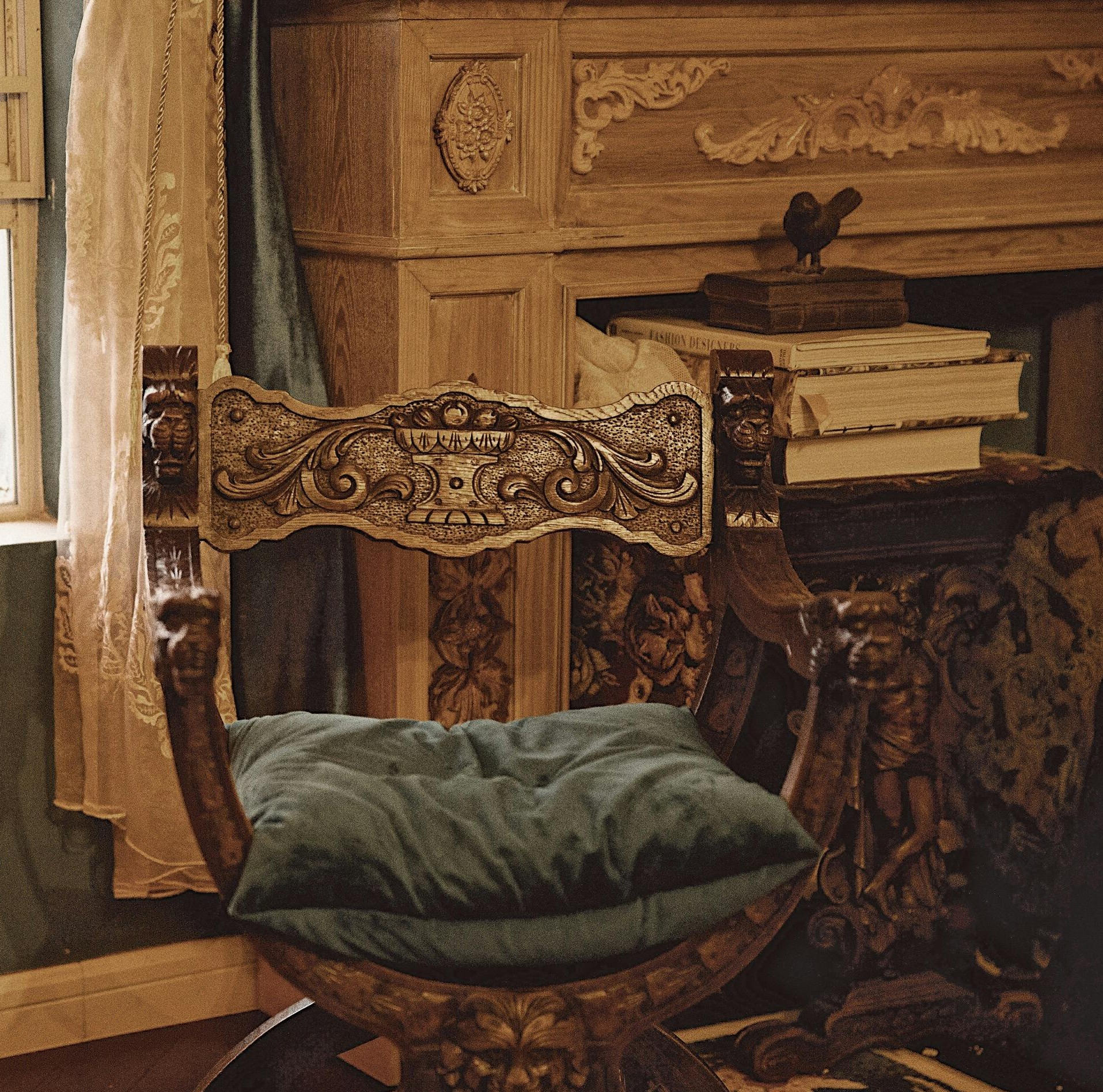
Antique furniture is back in the spotlight. We're not talking about newly purchased pieces from vintage shops, but rather those inherited pieces from grandparents that have been passed down through generations. In times of fast consumption and decorating trends that change almost every season, discerning decorators are championing the value of what already existed in our homes: well-constructed pieces, made with fine materials, and with an emotional weight that is impossible to replicate.
Interior designer Álvaro Toledo is clear on this: if inherited furniture teaches us anything, it's that things used to be made to last. In a recent interview with El Mueble , he said: "I would opt to keep the best quality pieces, made of materials that are now much more expensive to buy new, such as solid wood furniture, marble, or generally those pieces that have stood the test of time," he explained.
Decorating with inherited furniture: a growing trend
But beyond the rational, Toledo also champions the emotional aspect: “Thinking with my heart, I would choose that piece of furniture or object that has always been there in the background of your memories. It could be a vase, a chair, or a painting, regardless of whether it's in your current style.” However, she warns against one of the most common mistakes made when decorating with these pieces: painting them white or any other color just to match our current style.
“I don’t have a particular fondness for painting them white or any other color, just for making the most of them, something we see a lot of lately and which is often a real crime against these special pieces,” she says. Based on this reflection, El Mueble offers 5 tips for decorating with antique or vintage furniture without making mistakes and taking full advantage of the potential of these unique pieces.
Respect the original material
The first golden rule is not to alter the furniture's character. If it's made of solid wood, marble, or wrought iron, let it breathe. A thorough cleaning and polishing can restore its beauty without any need for transformation. The patina of time is part of its charm.
Choose pieces with emotional value
Not all inherited furniture has to stay in the house. Keep the pieces that evoke memories or that have been with your family for years. An object with history brings warmth and authenticity , something impossible to replicate with new pieces. Besides, you won't find it easily, not even in antique shops!
It combines the old with the new
The biggest mistake is thinking that an antique piece of furniture forces you to decorate the entire house in a classic style. Nothing could be further from the truth: a beautiful desk or sideboard from the 1950s can coexist with a minimalist sofa, or a century-old chest of drawers can be the star of a contemporary bedroom. Contrast creates visual interest and personality.
Take advantage of its structural quality
Many antique pieces of furniture are built with a quality that would be very expensive to manufacture today. Check their structure: if it's solid, you can update small details like handles or upholstery, always without altering the essence of the piece. It's a way to adapt them without "betraying" their origin. But even with their appearance worn by time, they can look fabulous in your room, as is the case with this antique piece in the bedroom that also serves as a headboard. A fabulous idea!
Give them prominence in a strategic location
A single antique piece can be enough to add character to a room . Place it in a prominent spot—the entryway, the dining room, the bedroom—and let it speak for itself. It's not about filling the house with inherited pieces, but about giving them space to shine.
Source: https://www.elmueble.com/