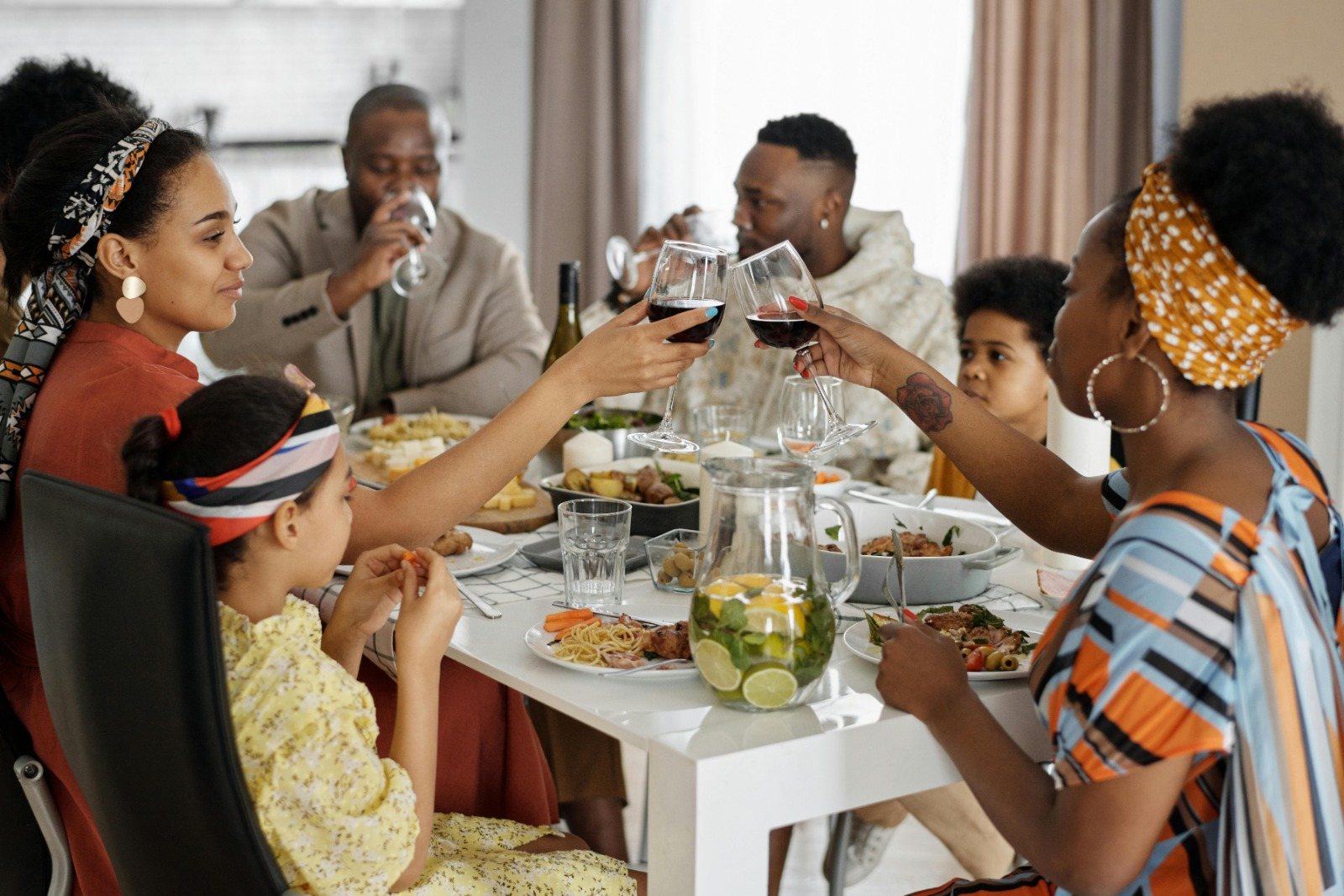
In neighborhoods and rural areas, but not so much in residential areas, the party spills out onto the street, with neighbors sharing hugs, food, and drinks.
SANTO DOMINGO. – Christmas Eve in the Dominican Republic is much more than Christmas Eve: it is the heart of the holidays, when families gather every December 24th around a feast that knows no crisis or absences, to celebrate tradition, abundance and joy.
The tables typically display at least nine different dishes, including our own special bread: the telera. Bartering among neighbors, though less frequent these days, increases the variety of options at this lavish gathering, and solidarity is palpable.
One of the best parts: all the leftover food, which often lasts for two or three days of "reheated" food, which many like and others not so much.
Like everything else, this celebration also reflects social changes. Some customs remain, others are transformed, and several have been lost over the decades.
Dominican Christmas Eve is celebrated with music, hugs, and unexpected visits, and it is the night of the biggest gathering of the year: gifts are shared, absences are remembered, and unity is celebrated.
Dominican Christmas Eve remains abundant and joyful, but it's not the same as it was three or four decades ago. Amidst the roast pork and Russian salad, the toasts and the music, memories survive of a more communal celebration, where the Christ Child left gifts in the Cibao region and the Midnight Mass brought together families and entire communities.
Today, however, Christmas Eve has become a more private affair: family dinners at home, television, and series after midnight. Insecurity, urbanization, and cultural changes have diminished the communal dimension of the holiday.
At any time of year, nostalgia accompanies Christmas dinner: we remember who we were while celebrating who we still are. We save the chairs for those who are no longer with us, and yet, Christmas Eve remains the moment when the entire country sits down to dinner, filled with hope and human warmth.
A few years ago there was…
– Gifts from Baby Jesus: In the Cibao region, children would find gifts under the tree and be told that Baby Jesus had brought them. It was a distinctly Cibao tradition, different from that of Santa Claus, who gives gifts on the 25th. This tradition is still maintained in some families.
– Night visits: families would go out after dinner to congratulate neighbors and acquaintances, even strangers, turning the city into a shared celebration.
– Midnight Mass: many families attended the midnight mass, reinforcing the spiritual meaning of the date.
– The street as an extension of the house: loud music, children's games and collective hugs were an inseparable part of the celebration.
– For one night, the boys and girls were allowed to try a sip of wine or half a glass of punch.
– Bedtime: the time for the little ones to go to bed was extended and they could play until they got sleepy.
– In the street at night: the little ones could be up and down the street playing together and enjoying the fireworks.
– Burnt glitter: Faced with a scarcity of resources, children in the poorest neighborhoods used a strip of fine glitter, lit at one end, and went out waving their arms to disperse the sparks.
The Christmas Eve menu
The table is, ultimately, the protagonist of this story and the center of the celebration. In almost every Dominican home, the following are served:
– Roast pork or baked leg: the star dish, seasoned with sour orange juice and spices.
– Moro de guandules: a must-have on the table, a symbol of abundance.
– Russian salad: with potato, carrot, (beetroot) and mayonnaise. The more adventurous add apple.
– Pasteles en hoja: mixture of ground foods, filled with meat, wrapped in banana leaves.
– Telera or special seasonal bread: to accompany the main dishes.
– Lasagna or spaghetti: the lasagna filled with meat and the spaghetti Dominican style, in red sauce.
– Imported fruits: grapes, apples and pears, which arrived with Spanish and North American influence.
– Christmas sweets: nougat, cookies, gummies and, in some homes, rice pudding or majarete.
– Drinks: rum, wine, homemade punch and the ever-present beer.
And the telera, with its hint of anise that distinguishes it from other breads, became the country's most emblematic Christmas bread, because local bakeries began producing it only in December. Its soft crumb and elongated shape made it ideal for sharing at the festive table, and today it's inseparable from Christmas Eve and New Year's Eve dinners. And hardly anyone eats it that night, but how delicious it is the next day with a warm cup of hot chocolate!.
Although the forms may change, Christmas Eve remains the mirror in which Dominicans see our way of celebrating hope, abundance, and solidarity.