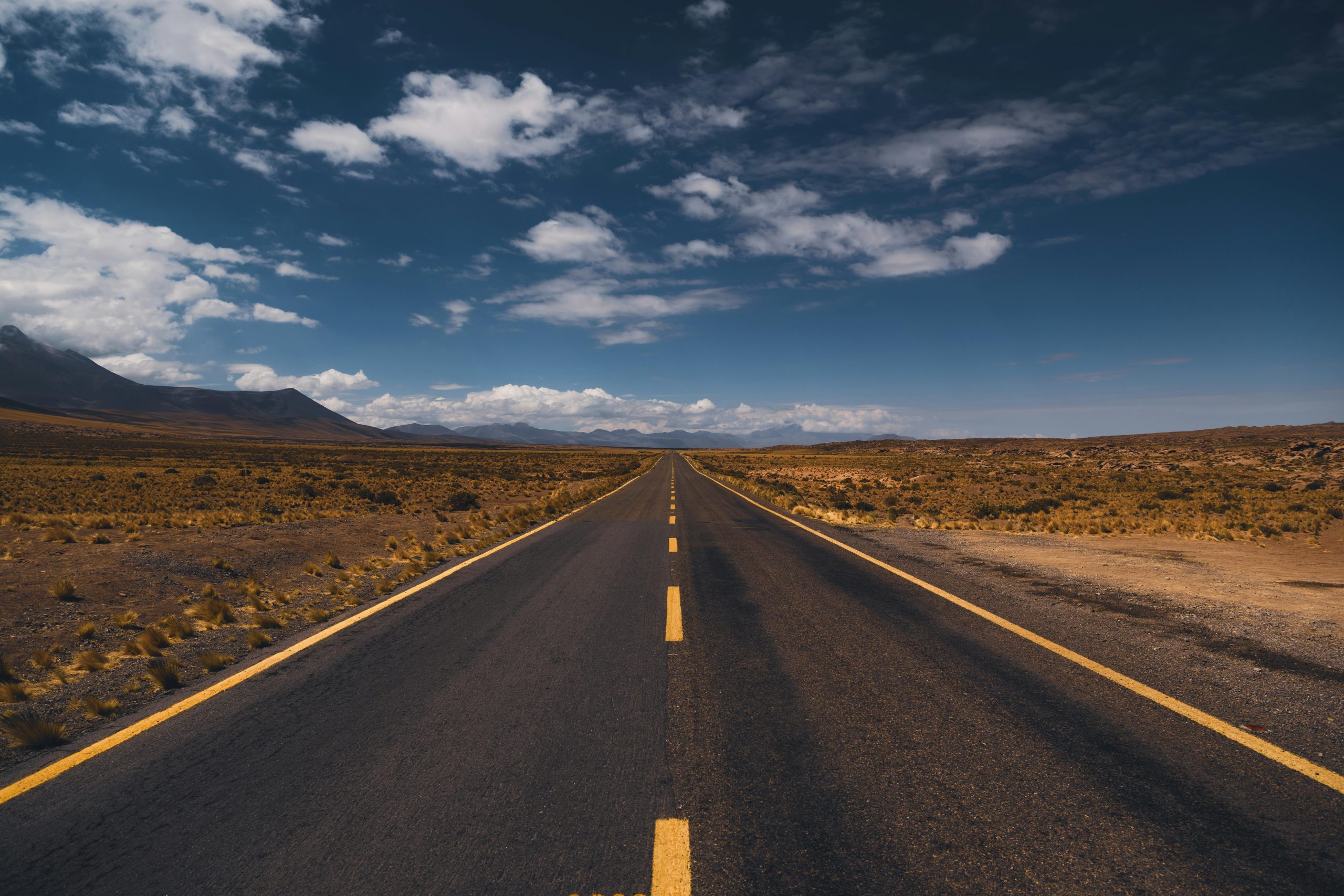
The Pan-American Highway holds the title of the world's longest road, stretching over 30,000 kilometers. This road network connects the Americas from its northernmost point in Alaska (United States) to its southernmost point in Ushuaia (Argentina), traversing an impressive variety of landscapes, climates, and cultures. Its length has been recognized by Guinness World Records, making it a symbol of unparalleled continental connectivity.
Besides its size, what makes the Pan-American Highway unique is the number of countries it connects: at least 14 nations are part of its route, including Canada, the United States, Mexico, several Central American countries, and much of South America. This connectivity makes it a strategic route for trade, tourism, and regional integration. Although there is a natural interruption known as the Darién Gap between Panama and Colombia, the highway remains functional along almost its entire length.
Construction of the Pan-American Highway began in 1935 and has represented a monumental engineering challenge. Over the decades, its maintenance has required constant efforts to adapt to extreme conditions such as jungles, deserts, mountains, and coastal areas. More than just a highway, the Pan-American Highway is an emblem of international collaboration and road development. Its economic and cultural impact makes it one of the most important infrastructure projects in the Americas.
Source: Wikipedia – Pan-American Highway