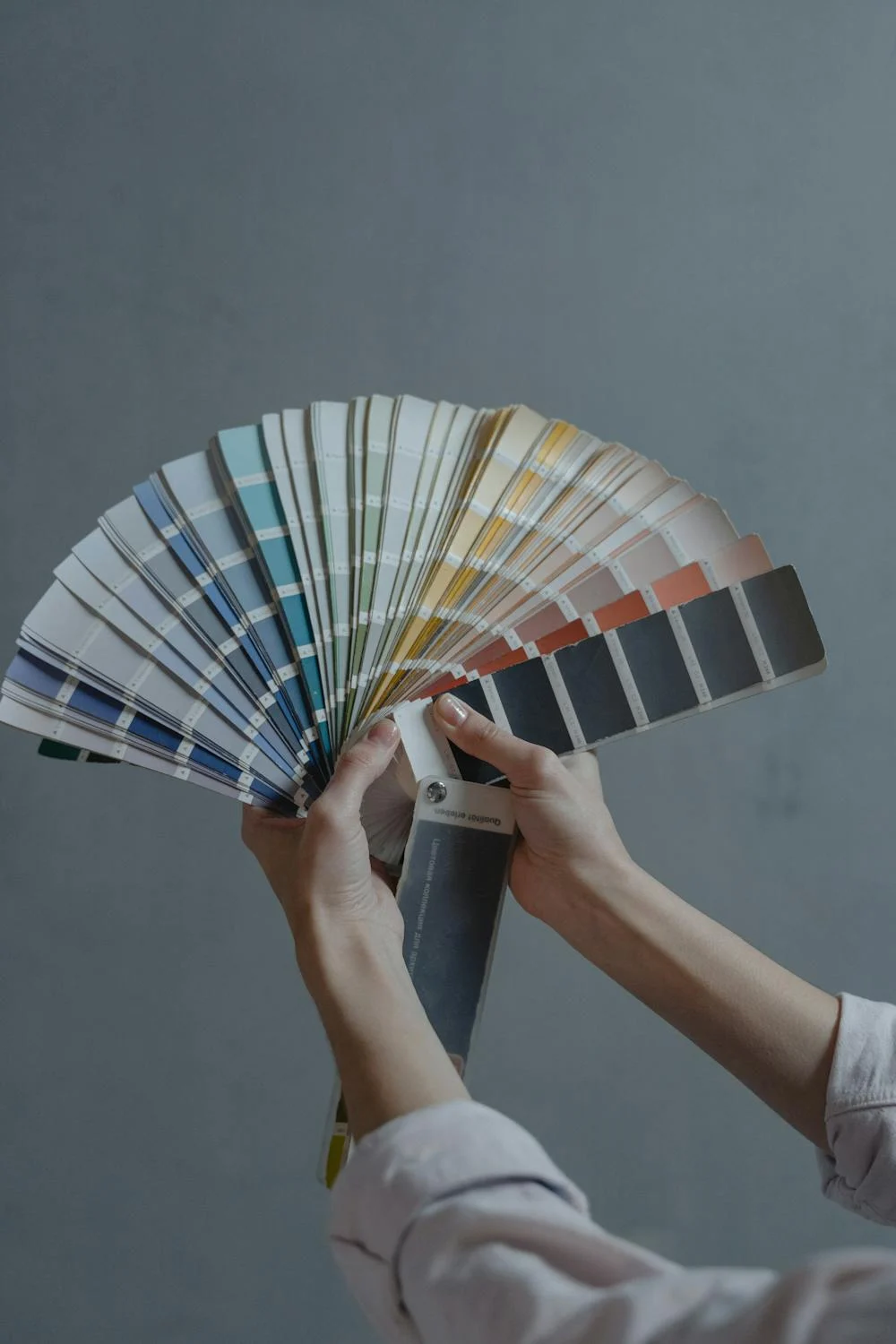
Over time, it has become clear that colors have a deep connection to our emotions , something that not only designers in general, and interior designers in particular, need to understand. Therefore, in the context of interior design, color psychology studies how we feel and behave in response to different colors, influencing the aesthetics of a space.
What is color psychology and why is it important in design?
The psychology of color in interior design is a discipline that studies how colors impact our emotions, behaviors, and perceptions of the spaces we inhabit . This field aims to make a space visually appealing while promoting well-being and functionality within the environment.
When designing interiors, choosing a specific color can transform a space. These decisions based on the psychology of color are not new; in fact, they have been used since the time of Ancient Greece, recognizing the power of colors to influence people. Their study has evolved, especially with the rise of cognitive science and psychology .
Meaning of colors in interior design
In interior design, each color has a meaning and evokes different emotional responses. Color not only adorns a space, but also communicates and shapes the experience of the environment. Let's look at the effect of some key colors in creating atmospheres.
Blue color: tranquility and serenity
It is recognized for its ability to induce a sense of calm and serenity. In color psychology, blue is associated with the sky or the ocean, elements that evoke freshness and spaciousness . This makes it an ideal choice for bedrooms, offices, or living rooms, where a relaxing atmosphere is desired. It is also associated with trust, making it a popular option for commercial spaces or meeting areas.
Red color: energy and passion
It's one of the most stimulating and energetic colors in the visual spectrum, associated with passion, dynamism, and action , making it ideal for spaces where energy needs to be generated, such as entertainment rooms or gyms . Additionally, it's an excellent choice when you want to stimulate the appetite. In fact, many restaurants and bars opt for red accents, as this color can increase the desire to eat or socialize.
Green: nature and balance
Green is a color that reflects nature and is associated with harmony, renewal, and balance. It has a calming effect on the body and mind, making it an excellent choice for areas that aim to reduce stress or promote concentration , such as offices, workspaces, or study areas. It is also linked to well-being and health, making it a perfect alternative for spaces dedicated to personal care.
Yellow: joy and optimism
It's a bright color associated with sunlight, creativity, and joy. In color psychology, yellow is known for being stimulating and generating feelings of energy and optimism, making it ideal for playrooms, kitchens, or entertainment areas. However, because it's perceived as very intense, it should be used carefully to avoid overwhelming the space .
White color: spaciousness and purity
White is synonymous with cleanliness and simplicity. It has the ability to make a space appear larger and brighter . By reflecting light, it becomes an excellent choice for small or poorly lit areas, helping to create an illusion of greater spaciousness.
Black: elegance and sophistication
It's associated with elegance, power, and sophistication. It's one of the most versatile and timeless colors in interior design, capable of adding depth or character to any space. In environments seeking a luxurious atmosphere , black is a magnificent choice, whether in furniture or decorative accessories, although if used in large quantities, it can create a small or gloomy look.
How to choose colors according to the space
Color has the ability to modify the perception of a room's size, lighting, and overall atmosphere. In small spaces, for example, light tones help create a feeling of spaciousness. Conversely, dark colors can make a large bedroom feel cozier. Furthermore, the intended use of the area plays a crucial role in color selection.
In Ecuador, climate and the connection with nature also influence the choice of interior colors. In coastal areas with abundant sunlight, white or blues can help keep spaces cool and pleasant. Meanwhile, in cities with a cooler climate , such as those in the highlands, warm colors make homes feel cozier year-round.
Color combinations: Harmonious palettes for interiors
Choosing the right color palette can transform any space, giving it an attractive look, a sense of harmony and functionality, making it a powerful tool of color psychology applicable to interior design.
Color theory applied to decoration
This theory is based on the color wheel , which organizes colors into three main categories: primary colors (red, blue, yellow), secondary colors (green, orange, purple) and tertiary colors, which result from the mixture of primary and secondary colors.
Color theory provides the basis for choosing color combinations that enhance the atmosphere or utility of a space, for example, the principles of color temperature, dividing them into warm colors (reds, oranges, yellows) and cool colors (blues, greens, purples), which influence how we feel within a place.
Types of palettes: monochromatic, analogous, and complementary
Color palettes are essential tools in color psychology for achieving harmony in interior design. There are three types of color combinations.
Monochromatic: This palette consists of different tones, saturations, and shades of a single color, allowing you to create serene environments. It's key to combine different shades to generate depth, preventing the space from being flat or monotonous.
Analogous: Analogous colors are those that are adjacent on the color wheel. This combination allows for a smooth transition between colors, creating a pleasant visual flow without causing harsh clashes.
Complementary: Complementary colors are located opposite each other on the color wheel, such as red and green or blue and orange. This palette creates striking and energetic contrasts, ideal for spaces seeking dynamism, such as dining rooms.
How color influences the perception of space
Color has a significant impact on how we perceive a space, altering the sensation of spaciousness, brightness, or depth. Likewise, color temperature plays a key role; for example, cool colors can make an area appear larger and more distant, while warm colors add warmth, creating a comfortable atmosphere. These characteristics contribute to both functionality and the desired emotions.
Source: https://ecuador.unir.net/
Photo: External source.