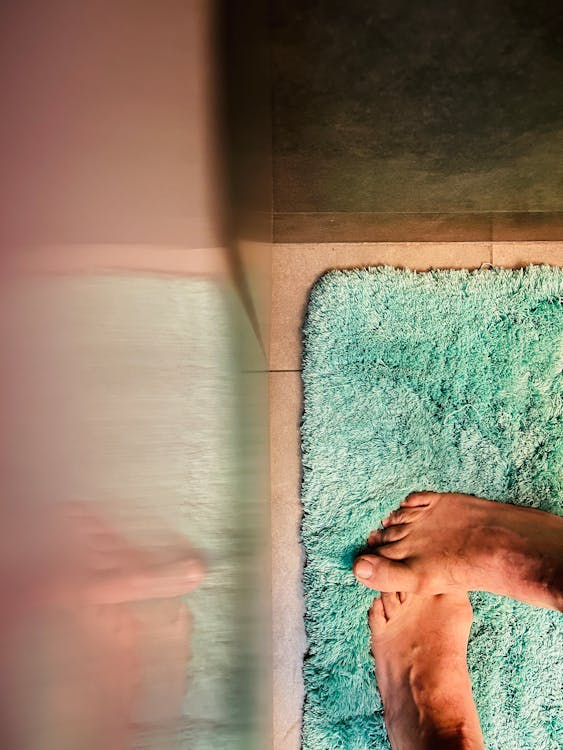
Bathroom rugs are one of those topics that divides designers. On the one hand, the comfort of a plush rug is undoubtedly more appealing than stepping on a cold tile floor. On the other hand, the idea of a bathroom floor that can't be cleaned worries many.
For most homeowners, carpeting the bathroom seems like an outdated trend, best left in the '70s and '80s. But with the resurgence of retro decor, and even the return of avocado-colored bathrooms, is it time to reevaluate our relationship with carpeted bathrooms?
Next, we'll evaluate the pros and cons of using a carpet in a bathroom, covering all aspects, from cleaning and ease of maintenance to style and practicality.
“It’s essential that the bathroom floor withstands spills, splashes, and heavy traffic, both for practicality and overall aesthetics,” explains Lorna Williams, Head of Product Design and Visual Creation at Amtico. “Natural wood or stone alternatives, such as luxury vinyl flooring (LVT), are a practical and elegant option for a bathroom that will be waterproof, slip-resistant, scratch- and stain-resistant, and warmer for walking barefoot.”
Floor tiles and vinyl
Hard floors are also easy to clean and maintain, making them ideal for high-humidity environments. Unlike carpets, which tend to absorb moisture, these hard floors are better suited to handle the inevitable spills and splashes that come with daily bathroom use.
Advantages
Non-slip surfaces
“A bath mat specifically designed for the bathroom can significantly reduce the risk of falls after bathing due to wet and slippery floors,” explains Jodie Hatton, design director at Brintons . This is especially important for homes with young children and elderly people, who are more prone to slips and falls.
“When choosing the right rug, look for loop pile rugs,” Jodie adds. “These styles ensure the pile stays low and flat. Short pile rugs also dry faster, while thick pile rugs retain moisture and are difficult to dry.”.
Style
If you're drawn to the idea of colorful bathroom floors , it's incredibly easy to find the perfect rug shade for your design. With a wide selection of colors, textures, and patterns available to buy online, a rug allows you to move away from the usual brown and gray tones of wood or natural stone floors.
Similarly, if you prefer the look of a traditional bathroom, the soft, textured surface of a rug can add warmth and depth to a room, especially in a small bathroom where hard surfaces can feel cold and unwelcoming.
Comfort and warmth
Stepping onto a soft, warm rug after a bath or shower is undeniably luxurious, and its cushioned surface provides a level of comfort that hard floors simply can't match. This can be especially beneficial for people with joint pain or reduced mobility, as the soft surface can reduce stress on the joints and provide a more secure footing.
However, it is worth remembering that a similar level of comfort can also be achieved using large bath mats and washable rugs.
Disadvantages
Of course, there's a reason most bathroom designers have avoided carpeting in recent years. Here are some disadvantages to consider before installing carpet in your bathroom.
Hygiene
“Carpeting a bathroom is not recommended for hygiene reasons and because of the high humidity levels,” warns Kirsty Barton, brand narrative manager at Alternative Flooring . “Using carpet in these spaces can lead to mold growth.”
Bathrooms are inherently humid environments, with showers, bathtubs, and sinks constantly introducing moisture into the air. Without proper ventilation, a carpet with a high tog rating will likely absorb most of this excess moisture, creating a breeding ground for bacteria, mold, and mildew. This can not only damage the carpet fibers but also pose a potential health risk, especially for people with allergies or respiratory sensitivities.
Maintenance
Keeping a carpet clean in a living room or bedroom is difficult enough, and even more so in a bathroom. All carpets require regular vacuuming to remove dust, hair, and other debris, but this surface cleaning may not be sufficient in a bathroom, where water stains and odors can wreak havoc on these surfaces.
Deep cleaning a carpet, whether done professionally or with specialized cleaning products, can also be laborious and expensive. These constant maintenance requirements pose a significant drawback when carpeting a bathroom, especially in high-traffic areas where the carpet will be subject to frequent use and spills.
Water damage
Most carpet fibers are not designed to withstand prolonged exposure to water. Repeated soaking and drying can damage the fibers, leading to discoloration, matting, and even structural damage to both the carpet and the floor. For this reason, many of the carpet manufacturers we contacted were unable to comment on the suitability of standard carpets for bathrooms, which is a red flag for this type of flooring.
If you're still determined to use a rug in the bathroom, despite the obvious drawbacks, be sure to choose a style specifically designed for these spaces. Look for rugs made of synthetic fibers like nylon or olefin, as these are more resistant to moisture and stains than
natural fibers. It's also advisable to opt for a short-pile rug with a dense weave, as this will make cleaning easier and reduce the likelihood of it accumulating dirt and moisture. If in doubt, choose easy-clean, water-resistant options, and keep in mind that none of these are designed for use in areas prone to splashing or very high humidity.