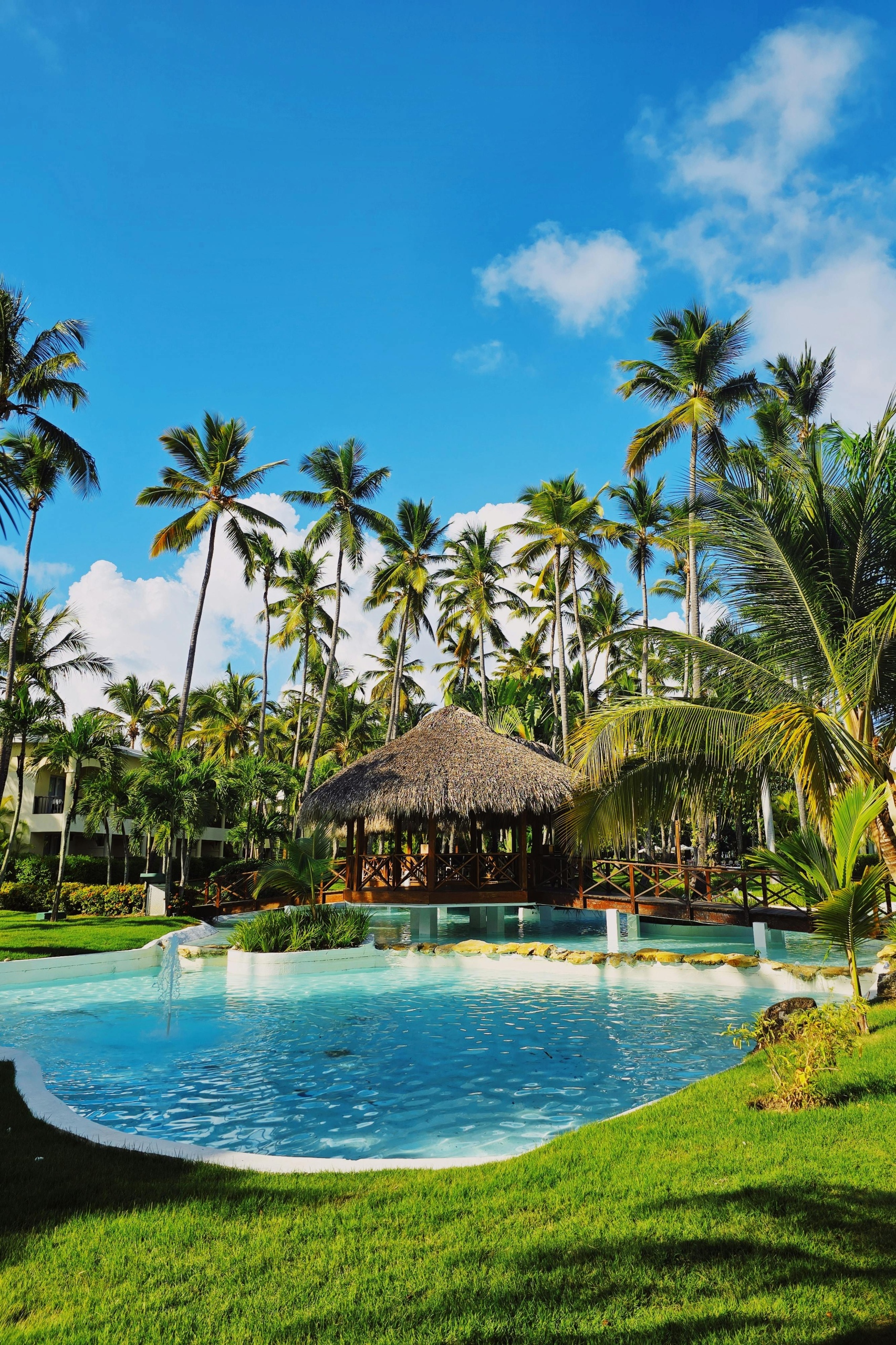
Apartments, villas, and mixed-use developments in tourist hotspots are transforming housing into a productive asset, integrating residence, vacation rentals, and services under a single investment model, from Cap Cana to Puerto Plata and Santo Domingo.
SANTO DOMINGO. – Real estate tourism in the Dominican Republic is no longer limited to hotels or isolated second homes facing the sea, but encompasses a diverse portfolio that includes residential projects with a tourist focus, mixed developments that integrate housing and services, and resorts with real estate components under international brands.
From Cap Cana to Puerto Plata, passing through La Otra Banda, Santo Domingo, and the Samaná Peninsula, the model has evolved toward schemes where real estate is integrated as a productive asset linked to the tourism sector. Apartments, villas, condo-hotels, and branded residences are designed not only for living but also to generate returns through vacation rentals, hotel management, or property appreciation in high-demand areas.
This phenomenon reflects a structural change: foreign and local investment is no longer directed exclusively towards traditional hotel construction, but towards real estate ecosystems that combine tourism, services and urban life, expanding the spectrum of products and sources of income in the Dominican market.
Residential with a tourist DNA
These are premium apartments, condominiums, and villas located in high-demand tourist areas such as Cap Cana and the Punta Cana-Bávaro region. Designed for both second homes and short-term vacation rentals, they are attractive assets for investors seeking returns through rental platforms.
An example of how real estate tourism goes beyond simply selling houses can be seen in landmark projects like Bonita Beach Luxury Residences in Cap Cana and Alta Vista Village in La Otra Banda, Punta Cana. The former is presented as a premium development comprised of approximately 380 apartments and up to 20 luxury villas facing the sea and the Las Iguanas golf course.
Prices range from approximately US$280,000 to around US$700,000 per unit depending on type and size, positioning it as a residential product with vacation rental potential and resort-type services (apartments, villas and aparthotel) in one of the most sought-after destinations in the Caribbean.
Meanwhile, the Alta Vista Village residential project, developed by Huacachina Inversiones in La Otra Banda, Punta Cana, incorporates land for lots and villas, and has mobilized an investment of more than US$35-40 million in initial stages, generating employment and boosting the local construction and services market.
In its first phase, hundreds of villas and plots of land have already been sold, under a development scheme that seeks to attract both resident buyers and foreign investors interested in properties with potential for vacation or second home use.
Prices for small residential lots range from approximately US$14,500 to US$25,000 and detached 2- to 3-bedroom villas are priced from approximately US$74,000 to US$104,000, according to 2025 and 2026 market listings, reflecting the diversity of small- and medium-scale real estate investment opportunities in expanding tourist destinations.
These formats in emerging areas are clear examples of how residential projects linked to tourism contribute to attracting foreign capital and integrating it into the national economy, beyond traditional hotel investments.
Mixed styles are in fashion
This format combines hotel accommodations, residential units, and complementary services (restaurants, clubs, recreational spaces), creating integrated communities that cater to both visitors and long-term residents. Projects of this type are proliferating in coastal corridors and areas of high urban growth due to the synergy between tourism and urban quality of life.
At the forefront of Dominican real estate tourism are mixed developments that combine housing, services and tourist attractions: in Cap Cana, for example, the St. Regis Cap Cana Resort & Residences complex integrates a luxury resort with approximately 200 rooms and 70 private beachfront residences, generating both hotel and premium housing offerings with access to a golf course and high-level services ($220 million investment).
Bonita Beach Luxury Residences, which mixes apartments and villas with resort-style amenities in a consolidated tourist community; on the Bávaro-Punta Cana axis, developments such as River Island provide hundreds of apartments with common spaces (pools, gyms, recreational areas) that serve both residents and visitors.
In Punta Cana, projects like Vista Cana Boulevard combine villas, apartments, and community services (restaurants, clubhouse, parks) in an environment that functions as a hybrid destination for everyday life and tourism.
In addition to the eastern resorts, mixed-use projects with tourism and residential potential are being developed in other regions of the country. On the Samaná Peninsula, for example, areas like Playa Bonita are attracting initiatives that combine beachfront homes, hotel projects, and integrated services, such as Bonita Village and The Reef, which blend hotel management with residential units in an ecologically rich and scenic environment.
On the North Coast, in Cabarete, the market incorporates mixed developments such as Ocean One and Ocean Dream, which combine luxury condominiums with commercial spaces and professional management services, geared towards both tourists and international residents and investors.
In the capital, Santo Domingo, mixed-use projects are emerging that integrate hotels, residences, and urban services, such as the Jardines de Bellas Artes Swissôtel Residences & Hotel project, which combines hotel operations with premium residential units facing cultural and commercial hubs.
Hotels that sell square meters
Large investments in resorts and international brands, such as new luxury hotels in "all-inclusive" systems or with attached hotel residences, maintain their appeal for global investors, who often incorporate "branded residences" apartments or co-use spaces that increase the range of products available under the tourism umbrella.
This range of formats demonstrates that investment is not limited to isolated houses, but includes a broad spectrum of real estate with productive potential and diverse sources of income.
The model of hotel projects with a real estate component is also extending beyond the eastern part of the country. In Miches (El Seibo), the Zemi Miches All-Inclusive Resort, Curio Collection by Hilton, developed by the Viva Wyndham Group, envisions an investment of over US$400 million in its master plan, which includes hotels and potential residential phases within the Playa Esmeralda tourist development.
In Puerto Plata, the Ambar Bay project, promoted by the ITM Group, integrates a marina, hotel, commercial areas and residences in a mixed development scheme with an estimated investment of more than US$100 million in its first stage.
Another emblematic example is the mega-development Punta Bergantín, located on the north coast, between Montellano and Puerto Plata, which symbolizes the expansion of the tourism-real estate model beyond the traditional areas.
The master plan envisions a total projected investment of more than US$1 billion, of which the first phase exceeds US$500 million and includes key infrastructure such as the Meliá Bergantín Beach hotel with more than 400 rooms, in addition to future operations under international brands such as Hyatt Inclusive Collection and Westin Puerto Plata.
In addition, nearly 4,000 residential units will be developed, integrated with commercial areas, beach clubs, a golf course, and recreational services, creating a mixed hub of tourism, housing, and commerce that increases the supply of real estate linked to tourism activity in the region.
In Santo Domingo, the Marriott Santo Domingo Airport Hotel & Residences Riviera Verde project, located near Las Américas International Airport, combines an international brand hotel with residential units within an investment of around US$200 million in its comprehensive phase.
Likewise, in Samaná, developments in the Playa Bonita and Las Galeras area have incorporated villas and condominiums under hotel operation or tourist management schemes, expanding the supply of private property within traditionally hotel destinations.
From premium enclaves in Cap Cana to megaprojects in Puerto Plata and urban developments in Santo Domingo, the model not only transforms the landscape, but also reconfigures capital flows, formal employment and infrastructure demand.
The challenge, then, lies not only in how much this segment will grow, but in how to maximize its contribution to GDP, foreign exchange earnings and territorial cohesion, without compromising the urban and social sustainability that will guarantee its long-term viability.
Other recommended reading: