It cannot be called an urban development project because that was never the intention, and besides, the foreigners in strange clothing were not welcome.
SANTO DOMINGO. – Imagine the early morning of December 25, 1492: while in Europe Christmas was being celebrated with carols and masses, in the tropical Atlantic the Santa Maria ship crashed against the north coast of the island of Hispaniola.
Columbus, who wasn't interested in arguments, thought quickly: "If we can't save the ship, we'll turn it into houses, and that'll look nice. Stay here, make a camp and wait for me, I'll be back soon." And he went to report to the Spanish crown.
Thus was born Fort Navidad, the first European settlement in America… and also the first disaster.
Among woods and palm trees
Using planks from the Santa María, the 39 men under Diego de Arana's command erected palisades, some huts, and improvised a tower. Fray Bartolomé de las Casas recounts that life in that place was precarious: stifling heat, relentless mosquitoes, and Taíno neighbors who looked at them suspiciously with expressions that said, "Where did these people come from?".
Oviedo adds that Europeans learned to fish and to heal themselves with local plants, although their diet consisted more of wild fruits than banquets in the style of European courts. In short: less Serrano ham and more soursop.
Conflicts and mystery
Chief Caonabo watched the intruders from a distance. Living together in precarious conditions increased tension among the Spaniards, who had constant arguments and clashes over stolen supplies, as well as minor rebellions. The fort was fragile inside and out, like a poorly constructed beach hut.
When Columbus returned in November 1493, he found only ruins and silence. No one knows for sure what happened, although some chroniclers say the Taíno attacked, others that the Spaniards themselves fought to the end.
The mystery remains unsolved, because neither the fort nor the Santa María have been found in modern excavations. There is no trace of the ship or the camp: the first attempt at colonial settlement vanished like smoke in the Atlantic breeze.
Legacy
La Navidad Fort was more of a makeshift camp than a town. There were no streets or squares, just a wooden shelter disguised as a beacon of hope. It lasted less than a year, but it remains in memory as the first European attempt at settlement in what is now the Americas.
Columbus did not give up: two years later he built La Isabela, with a church and plaza, the first urban development project on the continent.
There, indeed, were straight streets, stone houses, and a bell that marked the rhythm of colonial life. But that's another story.
Today
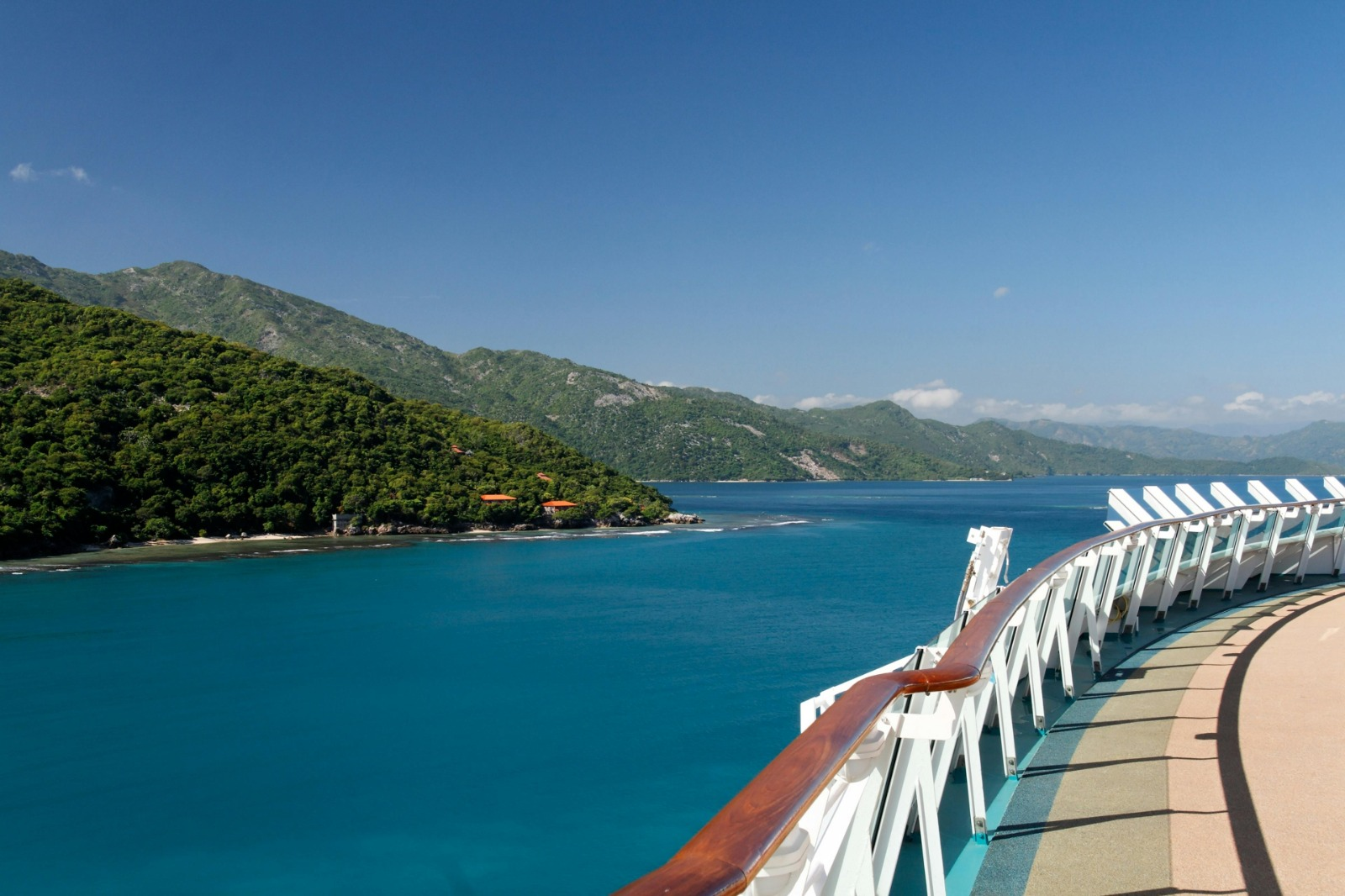
On Haiti's northern coast, the site of Fort Navidad remains shrouded in mystery. There are no visible ruins, but there is a history that invites us to imagine men building with wet planks, the Taíno people watching from the jungle, and the Atlantic Ocean reminding us that improvisation wasn't enough here.
If you ever travel to Cap-Haïtien and visit the historic area, you won't find walls or towers, although you might get the feeling of standing in the place where it all began... and where it was also learned that founding a colony wasn't as simple as nailing a few boards together.
Moral
La Navidad fort reminds us that establishing a colony in the 15th century wasn't simply a matter of nailing together four planks and hoping for the best. Improvisation might work for a beach camp, but not for founding a city, and Columbus learned that the hard way. But two years later, he attempted something more ambitious, a little further afield, which began on Three Kings' Day.
Teaching note
– La Navidad (1492): first European settlement in America. An improvised military fort with the remains of the Santa María.
– La Isabela (1494): the first European urban planning project in America. A planned city with a plaza, church, and royal warehouse.