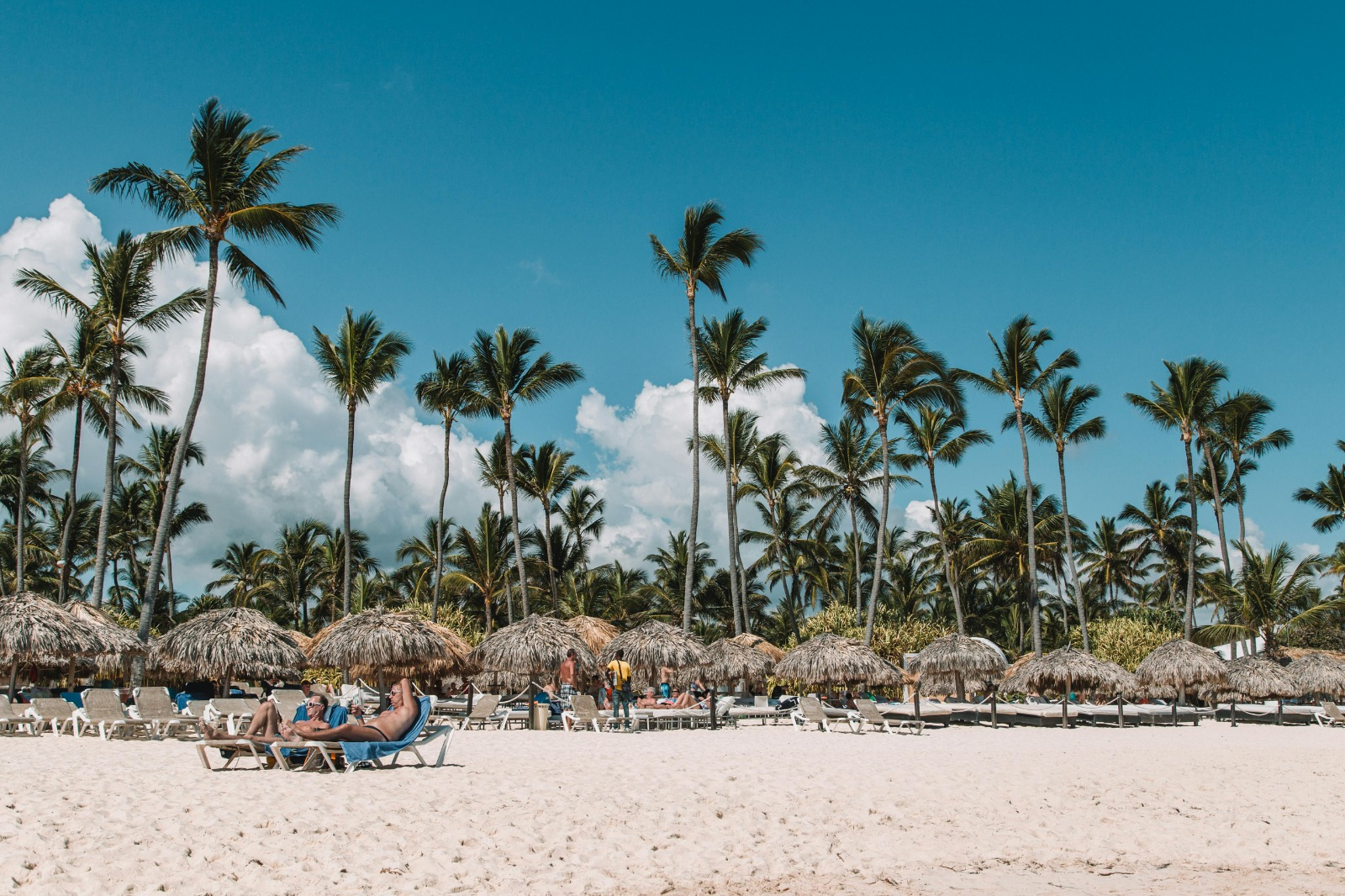
In December alone, 900,000 travelers arrived by air, and hotel occupancy in the eastern part of the country exceeded 96%, according to Minister David Collado.
SANTO DOMINGO. – As 2025 draws to a close, the Dominican Republic stands firm and secure, comfortable in its position as the regional leader in international arrivals and is preparing for an expansive year, although weaknesses are emerging that could limit the sustainability of that growth if they are not addressed with clear and decisive policies.
Last Monday, in a live broadcast from his Instagram page, from Casa de Campo, Minister David Collado enthusiastically announced that December 2025 “will be the best in the history of tourism, exceeding 900,000 tourists by air and a hotel occupancy in the entire eastern zone that exceeds 96% and, specifically Casa de Campo, completely full until the month of April.”.
On Friday, December 26, the Ministry of Tourism reported that up to the 24th the country had received 11,268,973 visitors, a figure that exceeds the 11,192 million of the previous year.
And although Minister Collado described the data as historic, a methodological clarification is necessary: the records correspond to non-resident visitors, a broader category than that of tourists in the strict sense.
This includes day-trippers, short-stay cruise ship passengers, and non-resident Dominicans temporarily returning to the country. This distinction is key from an economic and real estate perspective, since not all of these flows generate the same demand for formal accommodation, local consumption, or infrastructure investment.
Thus, although the record confirms the strength of the Dominican destination, the great challenge towards 2026 will be to transform that volume into longer stays, higher average spending and a territorial expansion of tourism that sustains development beyond the traditional poles.

By the 24th, the country had received 11,268,973 visitors. (External source).
A record year and upward projections
Data from the Ministry of Tourism (Mitur) shows that the country is surpassing its own records: the 2024 figure was already a record, and the projection is to close 2025 with 11.6 million visitors. The situation in Jamaica, Cuba, and other Caribbean destinations after Hurricane Melissa could work in favor of local tourism, as major tour operators have redirected clients to the Dominican Republic.
In September, the number of visitors exceeded 8 million, with growth rates exceeding 13% compared to 2023. By November, arrivals had reached 10.28 million, consolidating the country as the main destination in the Caribbean.
And although the Ministry of Tourism has not published a numerical projection for 2026, the World Travel & Tourism Council (WTTC) estimates an average global growth of 3.3% per year in economic contribution and employment for the sector.
Diversification and economic contributions
Tourism is reaffirming its role as an engine of the local economy. The WTTC projects that the sector will contribute more than US$21 billion to GDP in 2025, equivalent to almost 15.8% of the national economy, and will generate employment for approximately 893,000 people.
This impact has strengthened local production chains, boosted transport, trade and services, and opened up real estate investment opportunities associated with tourism.
Weaknesses and challenges towards 2026
1. Air connectivity and costs
High ticket prices remain a structural challenge. Minister Collado acknowledged in September that “ticket prices continue to pose a challenge to the destination’s competitiveness.” Gabriel Escarrer Jaume, CEO of Meliá, warned that “ticket prices are a decisive factor in destination choice, especially for European markets.”.
2. Hotel capacity and infrastructure
The meteoric growth in arrivals is putting pressure on infrastructure. At FITUR 2025, 7,400 new rooms were announced, but by year's end, 18,816 rooms had been completed in 111 hotels, more than 150% above the initial commitment. Furthermore, there are 58 additional projects in the pipeline with 9,364 planned rooms. This positive surplus poses risks of oversupply if it is not accompanied by effective demand.
3. Dependence and vulnerability
The sector remains highly dependent on the United States and Canada, making it sensitive to external variations such as global economic crises or travel restrictions.
In addition, environmental crises caused by sargassum seaweed and hurricanes can disrupt tourism patterns and affect competitiveness. These weather events have the potential to create oversupply or imbalances in accommodation services due to last-minute demand or reservation changes.
Sargassum is a common threat in the Caribbean and has required joint initiatives with neighboring countries, such as Mexico, to mitigate its negative effects on beaches and the visitor experience.
Although complete official figures for 2025 on the economic impact of sargassum losses are not yet available, international cooperation and ongoing strategies will be necessary to maintain the quality of coastal destinations.
Looking ahead to 2026
The projections remain positive if the strategies for promotion, diversification, and territorial development are maintained. However, sustainability will depend on public policies that address structural weaknesses, strengthen air connectivity, and mitigate environmental risks.
The real challenge will not be attracting more visitors, but improving the quality of the tourist flow: longer stays, greater local consumption and a territorial distribution that justifies sustainable investments in infrastructure, services and tourist housing, especially in emerging destinations like Pedernales.
The Dominican Republic has demonstrated resilience and regional leadership, but counting visitors is not enough: the future of tourism will depend on building sustainable experiences that strengthen the destination's reputation and ensure that each stay leaves a positive mark on the economy and local communities.