


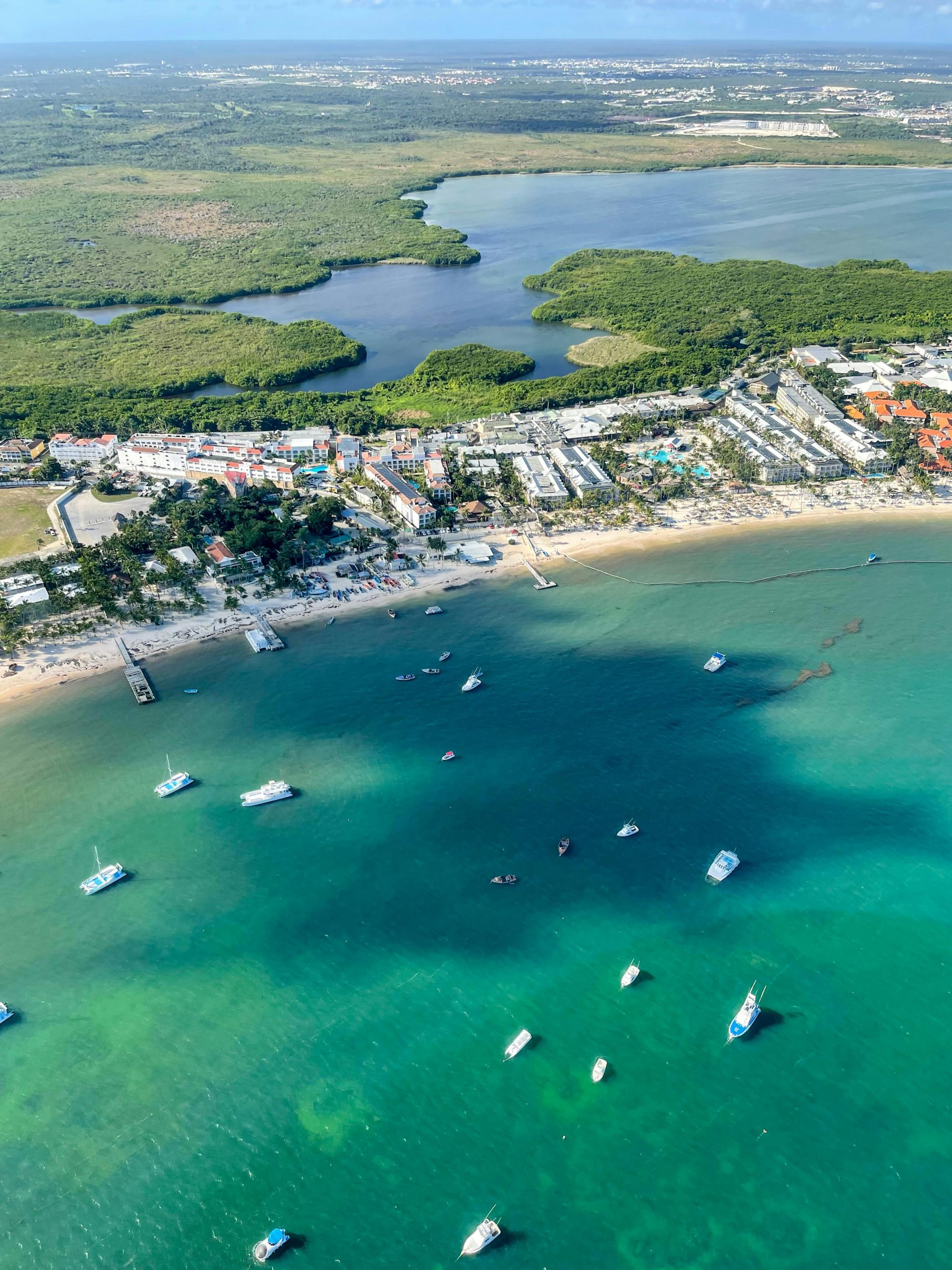
If current practices, such as overdevelopment and unplanned growth, continue, there will be no clean beaches, reefs, or mountains. There will be no paradise to sell.
SANTO DOMINGO – The scene is picture-perfect: dazzling sunshine, crystal-clear water in various shades of blue, white sand replenished by backhoes each season, and dozens of tourists with their wristbands and colorful drinks, eating, drinking, and sunbathing as if there were no tomorrow. A dream come true for the approximately 1.1 million Europeans who arrived in 2024.
However, a stroll through this paradisiacal place with open eyes and a keen eye for the surroundings reveals theexposed roots of coconut palms, battered by waves that relentlessly erode the shore, pushing ever further inland. The World Bank has warned that more than 70% of Dominican beaches show signs of erosion , and the problem intensifies in areas with mass tourism.
The jewel of Punta Cana and its impact:
Of the more than 90,000 traditional hotel rooms in the country, 54,124 are concentrated in the Punta Cana-Bávaro area (2025), and of the 11,192,047 visitors who arrived by air in 2024, this area maintained an occupancy rate of around 82%, making it the epicenter of the "all-inclusive" model.
And it is also a place where the pressure on natural resources is most evident, according to a 2023 Green Action report that summarizes the situation: “Hotel development took place on wetlands and mangroves, ecosystems that act as natural defenses against storms. Today, those barriers are weakened.”
On the other hand, Puntacana Resort & Club claims to have invested in wastewater treatment plants, coral nurseries, and a “Zero Waste” program since 2007. “Tourism cannot be sustained if we don’t take care of the foundation that feeds it: nature,” stated Frank Rainieri, the group’s founder, in public remarks.
Bahía de las Águilas: The Fragile Jewel
. In the deep south, bordering Haiti to the west, Bahía de las Águilas, part of the Jaragua-Bahoruco-Enriquillo Biosphere Reserve, recognized by UNESCO, resembles a vibrant painting with its transparent waters, incredibly white and fine sand, impossibly blue hues that seem to emanate from the sea, and iguanas scampering through the undergrowth.
Hawksbill turtles also nest there, and manatees are sighted. But the pressure is mounting.
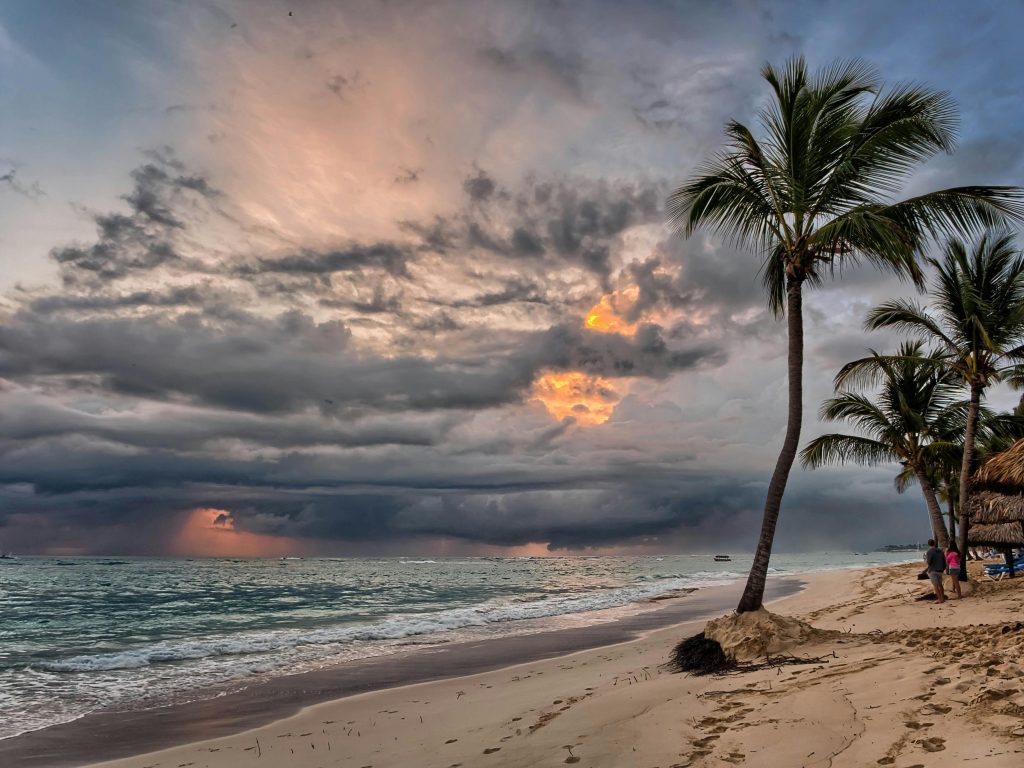
The World Bank warned that more than 70% of Dominican beaches show signs of erosion. (External source).
The Academy of Sciences has warned that opening the area to large hotel complexes would be “an ecological crime, ” as journalist and science communicator Eleuterio Martínez reported in 2022. NGOs like Grupo Jaragua insist that the value of Bahía de las Águilas lies not in turning it into another Punta Cana, but in preserving it as a natural sanctuary. The Ministry of Tourism is promoting the Cabo Rojo-Pedernales project , intended to be a new tourist hub. “The south is the new frontier of national tourism development,” declared Minister David Collado in 2023. Between the promise of jobs and the environmental warning, Bahía de las Águilas is experiencing tension: what is now a picture-postcard scene could become a showcase of conflict. Vulnerability is multiplying.
The situation in Punta Cana-Bávaro is not unique. In Samaná, each humpback whale season receives more than 50,000 visitors, according to 2024 reports from the Ministry of the Environment—an excess of boats that threatens the whales' reproductive cycles.
“Whale tourism must grow with science, not improvisation,” warned the Center for Conservation and Ecodevelopment of Samaná Bay and its Environment (CEBSE, Inc.) at the time.
Bayahibe, Saona Island, and Catalina Island also account for 45% of tourism in the country's protected areas, according to the Ministry of the Environment— an overload that erodes coral reefs and overwhelms waste management. In Sosúa and Puerto Plata, unregulated urban tourism is damaging reefs and beaches, as denounced by local NGOs. In Miches, the emerging tourist destination attracting millions in investment, environmental groups are warning of the loss of mangroves and seagrass beds , which are essential for fishing and coastal protection. If you venture into the mountains, such as Jarabacoa and Constanza , the trails suffer the direct impact of unregulated and abusive tourism, with piles of garbage on the paths and even in the waterfalls and pools themselves. “Poorly managed ecotourism can be as damaging as mass beach tourism,” warns a 2023 study by the Autonomous University of Santo Domingo (UASD )
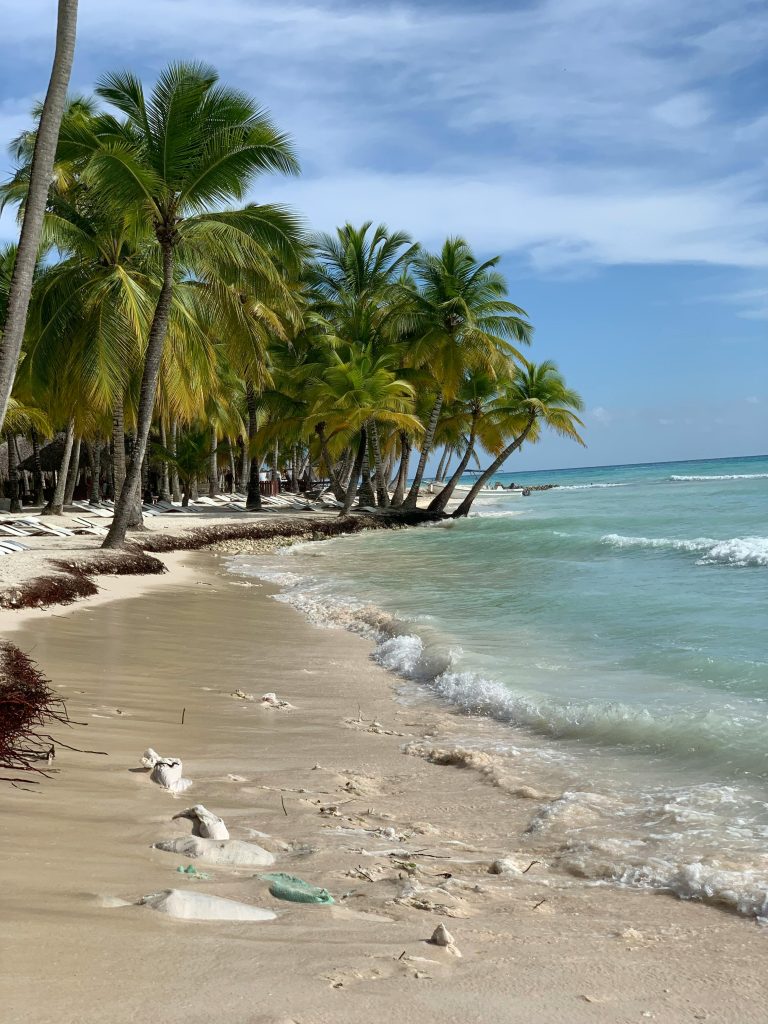
Poorly managed ecotourism can be as damaging as mass beach tourism, warned a study by UASD. (External source). When water and sargassum invade: With 375 km², Lake Enriquillo is the largest in the Caribbean and is rapidly encroaching on local producers each year in its accelerated expansion, estimated at almost one meter of annual growth over the last decade , flooding communities, agricultural lands, and even tourism projects. The main cause, according to the Ministry of the Environment, is climate change. In 2014, the government invested US$24 million to relocate more than 560 families to the new community of Boca de Cachón (World Bank, 2014). “We lost everything; the land where we planted is underwater,” recalls a displaced farmer in testimonies collected by the local press. In 2024 , more than 40 million tons of sargassum arrived in the Caribbean , according to the University of South Florida. Hotels in the Dominican Republic are spending up to one million dollars per year per hotel to clean their beaches. “Sargassum is not just an aesthetic issue; it affects fishing, biodiversity, and increases the cost of tourism operations,” explained Nina Lysenko, a technician at the Ministry of the Environment. A Vulnerable Caribbean . Researcher Mimi Sheller warns in Island Futures (2020) that “ The Caribbean is not only experiencing natural disasters, but also permanent reconstruction ; survival depends on recognizing that tourism, migration, identity, and ecology are intertwined.” Caribbean Senator Francine Baron also stated it bluntly at a regional forum: “The impact of more severe hurricanes and the destruction of our most valuable tourism assets, our beaches and coral reefs, threatens to reverse the development progress we have made.” Beyond the blue sea and the mojito, the Caribbean has mirrors that serve as warnings. In Varadero, Cuba, the concentration of hotels on a narrow peninsula has led to severe erosion and total dependence on imports to sustain tourism. Researcher Martha Honey (CREST, 2019) summarizes it: “The sun and beach model, based on mass tourism, creates immediate prosperity but long-term fragility.” Similarly, in the Riviera Maya, the collapse of aquifers and urban growth without infrastructure are reminders of what happens when tourism advances faster than planning. A future in doubt : The Dominican Republic leads Caribbean tourism but is walking a tightrope, pushed by the threats of overexploitation of natural resources, environmental degradation, pollution, unplanned mass tourism, climate change, pressure on local communities, indiscriminate fishing, lack of effective regulation, dependence on the “sun and beach” model, and insufficient environmental education. The Dominican Republic’s star destinations are on a knife’s edge: what generates wealth also erodes the natural base that sustains it. The big question is not whether tourism will continue to grow, but whether nature can withstand the same pace. Because without clean beaches, reefs, and mountains, there will be no paradise to sell.







