SANTO DOMINGO. -The Naco district, one of the most important urban areas in the Central Polygon of Santo Domingo, is bordered to the north by the Piantini district, to the east by the Serrallés sector, to the south by La Julia and to the west by the Quisqueya district.
It has an area of 1.73 square kilometers. In 2010, its population was 6,416. Currently, according to official data from the National District City Hall, its population is almost 15,000.
Over time, and with the urban growth of the Dominican capital, Naco has faced challenges due to heavy traffic congestion on sections of the main avenues that cross the area, such as Lope de Vega, Tiradentes, 27 de Febrero, Abraham Lincoln, and Kennedy, as well as their side streets. Nevertheless, Naco still demonstrates its historical prominence as a driving force in real estate and commerce within the Dominican capital. The large department stores of yesteryear remain in shopping centers like Plaza Naco and Galerías Naco.
Symbol of urban culture

The first buildings represent the prosperity of the middle class. (José Arias / El Inmobiliario)
The shopping mall boom originated in the Naco district in the 1970s, becoming a leisure hub for upper-middle and upper-class youth. Galerías Naco was home to the legendary Cine Plaza, one of the most popular movie theaters among film lovers at the time.
On Fantino Falco Street, the traditional Corazones Unidos clinic continues to provide its medical services. This health center opened its doors in this sector in 1990, facing the renovated La Arboleda Park, one of the few urban spaces in the Central Polygon, with large trees that line the main streets of that area.
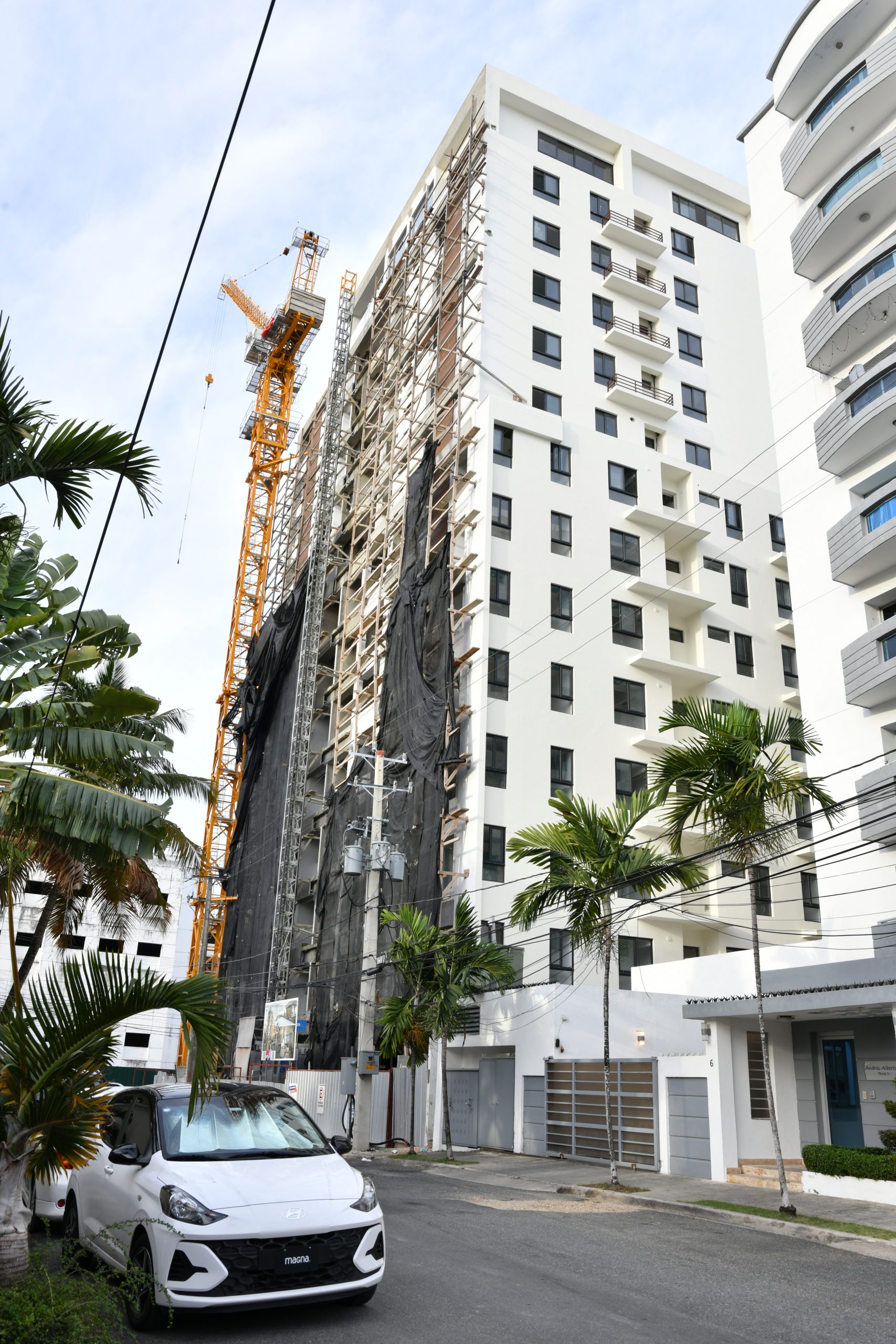
The sheer number of towers and buildings offered for rent or sale also gives the impression of being on Paseo de La Castellana in Madrid or Key Biscayne in Miami.
Challenges

Marco Barinas. (External source).
Architect and urban planner Marcos Barinas identifies excessive construction, both in density and coverage, as one of the sector's main challenges. Barinas defines high urban density as the result of the large number of buildings and towers, which generates a need for community services (green areas, sidewalks, recreational, cultural, and educational spaces) and infrastructure such as drainage, sewage systems, and electrical capacity that cannot be adequately met because the area was originally designed for detached houses. He indicates that the existing infrastructure and community facilities are insufficient to meet the potential population growth.
Originally published in issue #12 of El Inmobiliario print magazine.