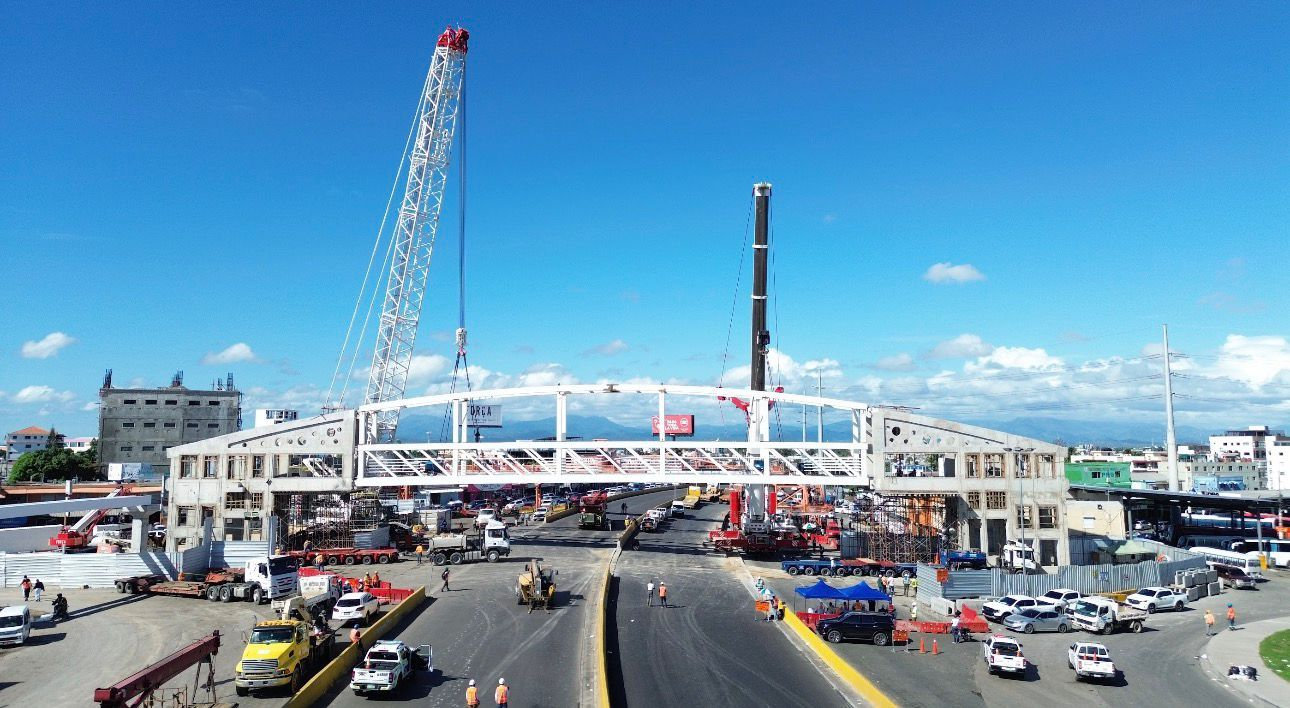
Public works not only represent physical assets, but also a tool for territorial cohesion and the reduction of regional gaps.
SANTO DOMINGO. – Public infrastructure once again occupies a priority place in the 2026 General State Budget, with an allocation of RD$73,881.7 million to the Ministry of Public Works and Communications (MOPC), the institution responsible for executing most of the physical works of the Dominican State.
These resources are intended for the construction, rehabilitation and maintenance of roads, bridges, urban roads and other key works for mobility and territorial integration.
The allocated amount reflects the strategic importance of infrastructure as a support for economic growth, competitiveness and access to basic services, investments with which the State seeks to guarantee a more efficient road network, reduce logistics costs and improve transport safety throughout the national territory.
This allocation will also allow for the development of urban infrastructure, road maintenance, and the execution of strategic works that directly impact the quality of life of the population and the functioning of the national economy.
Public works not only represent physical assets, but also a tool for territorial cohesion and the reduction of regional gaps, due to their impact, which extends beyond the infrastructure itself, by stimulating activity in the construction sector, strengthening the demand for local inputs and generating employment in different regions of the country.
In fiscal terms, the budget prioritizes projects with high economic and social impact, aligned with the State's development objectives.
The MOPC budget also directly impacts the construction , one of the country's main job creators, which experienced a decline in 2025 of -2.3% in the first half of the year and an estimated drop of around -1.2% for the entire year.
The 2026 budget plan also allows for the programming of medium- and long-term interventions, which are fundamental for the sustainability of public infrastructure. This set of resources was approved by the National Congress and sent to the Executive Branch for enactment or review.
The execution is ensured through authorized financing, including a loan, which allows the projected fiscal deficit to be covered without compromising the State's financial sustainability, according to the proponents.